Blogs
28 Days From Today: Complete Date Calculation Guide


Introduction
Whether you are planning an important event, setting a project deadline, tracking a fitness challenge, managing a payment schedule, or simply calculating a future date, knowing how to determine 28 days from today can be extremely useful. Date calculations are a common part of everyday life, helping individuals and businesses organize schedules, monitor timelines, and meet important deadlines. Many people search for “28 days from today” because they need a quick and accurate answer without manually counting days on a calendar.
The concept may seem straightforward, but understanding how date calculations work can help prevent mistakes when planning future events. Factors such as varying month lengths, leap years, weekends, and holidays can sometimes complicate date calculations. Fortunately, calculating 28 days from today is relatively simple because 28 days is equal to exactly four weeks. This guide explains how to calculate the date, why people use this timeframe, common applications, and everything else you need to know about determining a date 28 days into the future.
What Is 28 Days From Today?
Using today’s date of June 29, 2026, the date that falls 28 days from today is:
July 27, 2026
Since 28 days equals four complete weeks, the future date falls on the same day of the week as the starting date.
Quick Answer
- Today’s Date: June 29, 2026
- 28 Days From Today: July 27, 2026
- Total Weeks: 4 Weeks
This calculation assumes standard calendar days and does not exclude weekends or holidays.
How to Calculate 28 Days From Today
Calculating 28 days from today is simple when you understand the basic process. Start with the current date and add 28 consecutive calendar days. Because a week contains seven days, multiplying seven by four gives 28 days. Therefore, adding 28 days is equivalent to moving forward exactly four weeks on the calendar.
For example:
- Week 1 = 7 days
- Week 2 = 14 days
- Week 3 = 21 days
- Week 4 = 28 days
By advancing four weeks from today’s date, you arrive at the final future date.
This method is particularly useful because it avoids manually counting each day individually.
Why People Search for 28 Days From Today
Many individuals need future date calculations for both personal and professional reasons. A 28-day period is commonly used because it represents a complete four-week cycle. This timeframe appears frequently in scheduling systems, subscription billing cycles, fitness programs, business planning, and project management.
People often search for this calculation when they need to:
- Set reminders
- Plan appointments
- Track project deadlines
- Calculate payment due dates
- Monitor habit-building programs
- Schedule medical follow-ups
- Organize travel plans
- Manage business workflows
The convenience of knowing a future date instantly saves time and reduces the risk of calculation errors.
Common Uses of a 28-Day Timeframe
Project Management
Many organizations use four-week planning cycles to manage projects and monitor progress. Team leaders frequently establish milestones that occur every 28 days to evaluate performance and adjust schedules when necessary. Because four weeks represents a manageable period, it provides a practical balance between short-term and long-term planning.
Fitness and Health Programs
Fitness challenges often run for 28 days because behavioral studies suggest that consistent habits can begin developing during this period. Weight-loss programs, workout plans, and wellness challenges frequently use four-week structures to encourage measurable progress and sustained commitment.
Subscription Billing Cycles
Some businesses operate on 28-day billing cycles instead of monthly schedules. This approach creates consistent payment intervals and simplifies certain accounting processes. Customers may therefore need to calculate future billing dates based on a 28-day schedule.
Medical and Healthcare Scheduling
Healthcare providers sometimes schedule follow-up appointments approximately four weeks after an initial consultation. This allows sufficient time to evaluate treatment progress while maintaining continuity of care.
Difference Between 28 Days and One Month
Many people assume that 28 days and one month are identical, but this is not always true. Calendar months vary in length.
Typical Month Lengths
- February: 28 or 29 days
- April: 30 days
- June: 30 days
- September: 30 days
- November: 30 days
- January, March, May, July, August, October, December: 31 days
Because of these differences, adding 28 days may produce a different result than adding one calendar month. Understanding this distinction is important when calculating deadlines, payment schedules, and future events.
Benefits of Using a Date Calculator
Date calculators eliminate the possibility of manual counting mistakes. They provide accurate results instantly and can handle complex situations involving varying month lengths, leap years, and long-term calculations.
Advantages include:
- Faster calculations
- Greater accuracy
- Reduced planning errors
- Better scheduling efficiency
- Easier deadline management
Whether used for personal planning or professional scheduling, date calculators simplify future-date calculations considerably.
How Businesses Use 28-Day Cycles
Many businesses rely on 28-day cycles for reporting, marketing campaigns, budgeting, and operational planning. Since 28 days equals exactly four weeks, performance metrics can be compared more consistently than when using calendar months of varying lengths.
Marketing teams often analyze campaign performance over four-week intervals, while managers may evaluate productivity and financial metrics on similar schedules. The consistency of a 28-day cycle provides valuable insights and supports more accurate forecasting.
Understanding Calendar Day Calculations
A calendar-day calculation counts every day, including weekends and holidays. Therefore, when calculating 28 days from today, all days are included in the count unless specifically stated otherwise.
This differs from business-day calculations, which typically exclude weekends and certain public holidays. Always verify whether a deadline refers to calendar days or business days to avoid confusion.
Conclusion
Calculating 28 days from today is useful for a wide variety of personal, professional, financial, and organizational purposes. Since 28 days equals exactly four weeks, determining the future date is generally straightforward and helps individuals manage schedules, deadlines, appointments, and long-term planning more effectively. Using today’s date of June 29, 2026, the date 28 days from today is July 27, 2026. Whether you are organizing a project, tracking a challenge, planning an event, or calculating a payment date, understanding how to determine future dates accurately can save time, improve productivity, and ensure better planning outcomes.
Frequently Asked Questions (FAQs)
What date is 28 days from today?
Using today’s date of June 29, 2026, the date 28 days from today is July 27, 2026.
Is 28 days the same as 4 weeks?
Yes. Four weeks contain exactly 28 days because each week consists of seven days.
How do I calculate 28 days from today?
Add 28 consecutive calendar days to today’s date or move forward exactly four weeks on the calendar.
Does a 28-day calculation include weekends?
Yes. Standard calendar-day calculations include weekends and holidays unless otherwise specified.
Is 28 days the same as one month?
Not always. Months vary between 28, 29, 30, and 31 days depending on the month and year.
Why do businesses use 28-day cycles?
Businesses use 28-day cycles because they provide consistent four-week periods that simplify planning, reporting, and performance measurement.
What is a future date calculator?
A future date calculator is a tool that automatically determines a date based on adding a specified number of days, weeks, months, or years to a starting date.
Why is 28 days a common timeframe?
Twenty-eight days equals four weeks, making it a convenient and consistent period for scheduling, planning, billing cycles, fitness programs, and project management.

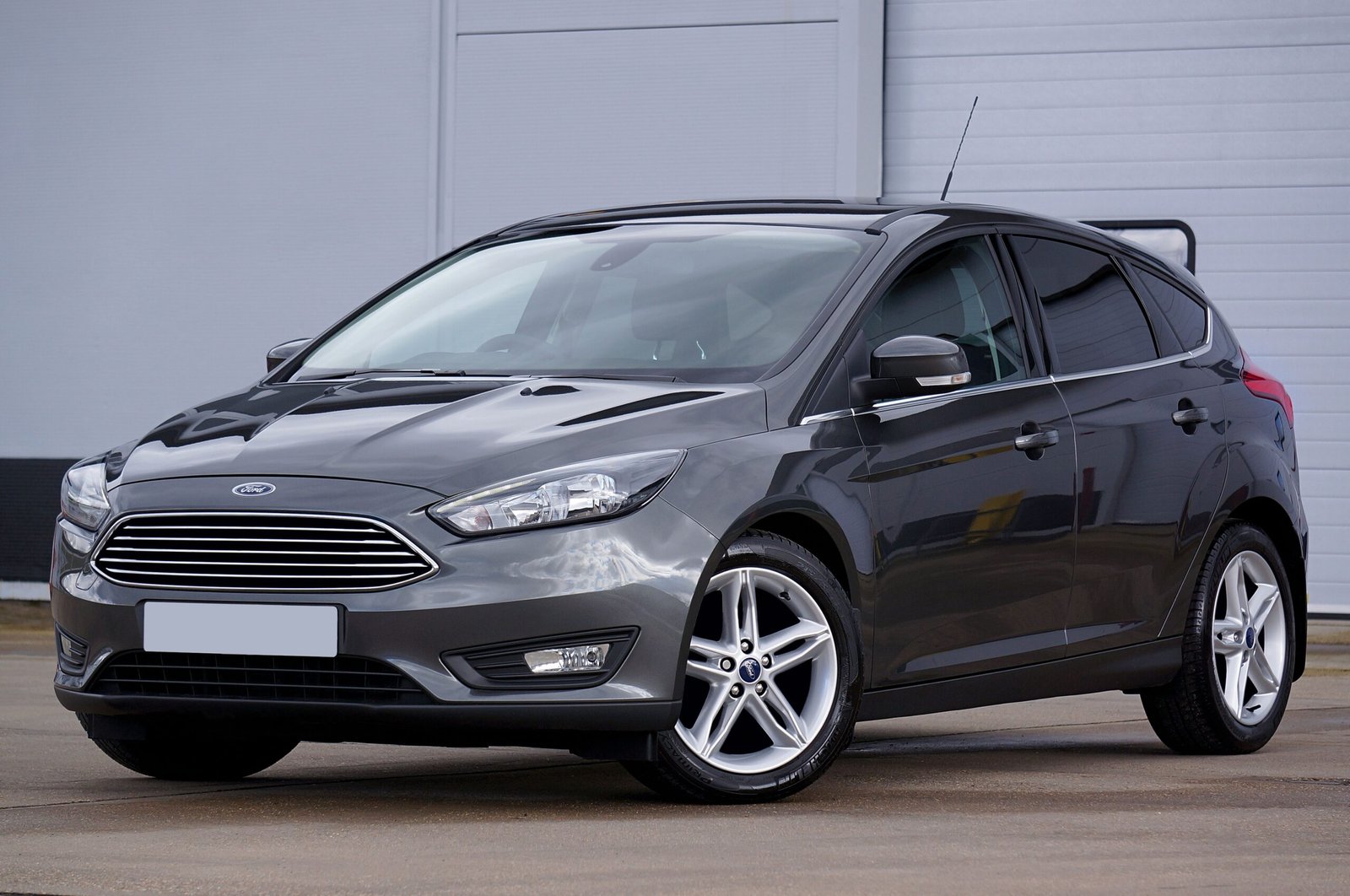
The Ford Focus 2016 car remains an interesting choice for drivers looking for a compact vehicle that combines practical dimensions, comfortable everyday driving, modern styling, and a range of useful features. As a member of Ford’s long-running Focus family, the 2016 model was designed to compete in a crowded compact-car market against vehicles such as the Honda Civic, Toyota Corolla, Mazda3, Volkswagen Golf, and Hyundai Elantra. The Focus was offered in different body styles and configurations depending on the market, giving buyers options ranging from practical commuting cars to sportier versions. Even though the 2016 Ford Focus is now an older used vehicle, it can still attract shoppers who want an affordable compact car, particularly when they find an example with a good maintenance history and reasonable mileage.
When considering a 2016 Ford Focus, however, buyers should look beyond its appearance and advertised price. Used-car condition can vary significantly because these vehicles have now been on the road for many years. Maintenance records, transmission behavior, engine condition, accident history, mileage, previous ownership, and regional specifications can all have a major effect on whether a particular Focus is a good purchase. Understanding the car’s strengths and potential weaknesses before buying can help shoppers make a more informed decision. This guide examines the Ford Focus 2016 car in detail, including its design, engine choices, interior, driving experience, fuel economy, reliability considerations, common problems, maintenance, and used-car buying advice.
Ford Focus 2016 Overview
The 2016 Ford Focus was positioned as a compact car that emphasized responsive handling, attractive styling, useful technology, and everyday practicality. Its relatively compact exterior made it suitable for urban driving and parking, while its interior provided enough space for normal commuting and small-family use. Depending on the market, buyers could encounter sedan and hatchback versions, while equipment levels varied substantially. Some examples were basic transportation-focused models, while higher trims included additional convenience, infotainment, safety, and comfort equipment. This variation is particularly important in the used market because two 2016 Focus vehicles with similar mileage can have noticeably different specifications and equipment.
One of the reasons the Focus attracted attention was its driving character. Ford traditionally emphasized handling and steering response in the Focus, giving it a somewhat more engaging feel than some compact competitors that prioritized comfort above everything else. The 2016 model continued that approach while offering a design that looked more mature than earlier Focus generations. For buyers who want a compact used car that is easy to maneuver but does not feel completely ordinary behind the wheel, the Focus can still be appealing.
2016 Ford Focus Exterior Design
The exterior design of the Ford Focus 2016 car gives it a recognizable appearance without being excessively aggressive. The front end features Ford’s characteristic grille and swept-back headlamp design, while the body has smooth lines intended to improve both appearance and aerodynamic efficiency. The hatchback version provides a sportier visual profile and can offer additional flexibility for carrying luggage or larger objects compared with a conventional sedan.
Because styling preferences are subjective, the Focus has aged differently in the eyes of different buyers. Some shoppers may prefer its relatively clean and modern appearance, while others may consider newer compact cars more visually impressive. Nevertheless, a well-maintained 2016 Focus can still look attractive, particularly when the exterior paint, wheels, lights, glass, and body panels have been properly cared for. When inspecting a used example, buyers should pay attention not only to cosmetic condition but also to evidence of previous accidents, uneven panel gaps, mismatched paint, rust, damaged bumpers, and poorly repaired bodywork.
Interior and Comfort
Inside, the 2016 Ford Focus offers a driver-oriented cabin with controls and displays designed around everyday usability. Depending on trim level and options, equipment could include features such as an infotainment system, steering-wheel controls, Bluetooth connectivity, climate-control functions, power accessories, and upgraded audio equipment. Higher-specification examples can feel substantially more desirable than entry-level versions because of their additional convenience features.
The front seats generally provide the kind of space expected from a compact car, making the Focus suitable for commuting and daily transportation. Rear-seat space is more limited, which is common in this class, so buyers who regularly transport several adults should test the vehicle before purchasing. The hatchback can be particularly useful for people who value cargo flexibility. Folding the rear seats can create a more versatile loading area, making the car useful for shopping, luggage, and other everyday needs.
Engine and Performance
The engine specifications of a 2016 Ford Focus depend on the market and configuration, so shoppers should verify the exact engine fitted to the individual vehicle rather than assuming every Focus has identical mechanical specifications. In markets where gasoline four-cylinder engines were offered, the Focus generally delivered enough performance for normal city and highway driving while maintaining the efficiency expected from a compact vehicle.
The Focus was not designed primarily as a high-performance car in its standard configurations, but its handling characteristics can make ordinary driving more enjoyable. Steering response and cornering behavior are among the qualities that can distinguish the Focus from some competitors. Drivers who prioritize a balanced combination of fuel economy, maneuverability, and handling may appreciate this characteristic. Performance should nevertheless be evaluated in the context of the car’s age, because a poorly maintained example may feel significantly different from one that has received regular servicing.
Fuel Economy
Fuel economy is one of the important reasons buyers consider compact cars such as the Focus. A properly maintained 2016 Focus can provide reasonable fuel efficiency for commuting, although the exact figures depend on engine, transmission, body style, driving conditions, traffic, tire condition, and driving habits. Stop-and-go urban traffic typically produces different results from steady highway driving.
When shopping for a used Ford Focus 2016 car, buyers should not rely entirely on the original fuel-economy rating. A vehicle that has accumulated many years and thousands of miles may deliver different real-world consumption because of aging components, tire pressure, alignment, engine maintenance, air-filter condition, and driving style. Tracking actual fuel consumption over several tanks can provide a much better understanding of an individual car’s efficiency.
Transmission and Driving Experience
The transmission is one of the most important areas to investigate when purchasing a used 2016 Focus. Depending on the market and configuration, different transmission choices were available, and the behavior of the particular vehicle should be carefully evaluated during a test drive. Buyers should pay attention to hesitation, unusual noises, harsh engagement, shuddering, slipping, delayed response, warning lights, or other abnormal behavior.
A test drive should include both slow urban driving and faster road conditions where possible. Starting from a stop, accelerating gradually, accelerating more firmly, reversing, and moving through different gears can reveal problems that may not be obvious during a short drive around a parking lot. If the transmission behaves unusually, the buyer should have the vehicle professionally inspected before making a purchase. A low asking price does not necessarily compensate for a major drivetrain repair.
Reliability of the Ford Focus 2016
Reliability is a particularly important consideration because the 2016 Focus is now firmly in the used-car category. The reliability of an individual vehicle depends heavily on how it was maintained and driven. Two cars of the same year can have completely different ownership histories, so the condition of the specific vehicle should receive more attention than the model year alone.
Potential buyers should request maintenance documentation when available and look for evidence of regular oil changes, scheduled servicing, brake maintenance, cooling-system care, tire replacement, battery replacement, and other routine work. A vehicle with complete records can provide considerably more confidence than an apparently inexpensive car with an unknown history. It is also worthwhile to check whether any applicable recalls or service campaigns have been addressed for the specific vehicle.
Common Problems to Check
As with many older used cars, the 2016 Ford Focus can develop age- and mileage-related issues. Potential concerns vary according to engine, transmission, market, and individual history, so they should not automatically be assumed to affect every vehicle. Transmission behavior deserves particular attention, especially if the car displays hesitation, shuddering, unusual engagement, or other symptoms. Electrical issues, worn suspension components, aging engine mounts, brake wear, air-conditioning problems, and general deterioration can also appear as a vehicle accumulates mileage.
A professional pre-purchase inspection is therefore one of the smartest steps a buyer can take. An experienced mechanic can examine the engine, transmission, suspension, steering, brakes, tires, fluids, cooling system, electrical components, and underbody. A diagnostic scan may also identify stored fault codes that are not obvious from the dashboard. Spending money on an inspection before buying can potentially prevent a much larger repair bill later.
Maintenance for a 2016 Ford Focus
Regular maintenance is essential for keeping an older Focus dependable. Engine oil and filter changes should follow the appropriate schedule and specification for the particular engine. Tires should be inspected for tread depth, uneven wear, age, and correct inflation. Brake components should be checked regularly, while coolant, transmission-related fluids, belts, hoses, battery condition, and other service items should be addressed according to the vehicle’s maintenance requirements.
Owners should also pay attention to small warning signs. A new vibration, unusual noise, fluid leak, warning light, difficulty starting, change in transmission behavior, or deterioration in fuel economy can sometimes indicate a developing problem. Addressing smaller issues early is generally preferable to continuing to drive until a component fails completely. For an older vehicle, preventative maintenance can make a significant difference in long-term ownership costs.
Is the 2016 Ford Focus Good for Daily Driving?
For many drivers, the answer can be yes, provided the particular vehicle is in good mechanical condition. The Focus is compact enough for city streets and parking spaces, while its interior and cargo capacity make it practical for everyday activities. Its handling can also make it more enjoyable to drive than some basic commuter vehicles.
However, buyers should remember that a 2016 vehicle is no longer new. Age-related maintenance should be expected, and purchasing the cheapest example available can sometimes result in higher ownership costs later. A well-maintained Focus with a documented history can be a much better proposition than a cheaper example with neglected maintenance or unresolved mechanical problems.
2016 Ford Focus vs. Competitors
The compact-car market offers numerous alternatives to the Focus. The Honda Civic and Toyota Corolla have strong reputations for practicality and long-term ownership, while the Mazda3 is often attractive to buyers who place a high value on driving dynamics and interior design. The Hyundai Elantra and other compact competitors can also provide compelling combinations of equipment, comfort, and value.
The Focus makes the most sense for buyers who find a well-maintained example at an appropriate price and appreciate its handling, styling, and compact dimensions. There is no single best used compact car for every shopper. Instead, the best choice depends on condition, price, maintenance history, equipment, driving requirements, and local availability.
What to Look for When Buying a Used Ford Focus 2016
Before buying a used Ford Focus 2016 car, inspect the vehicle in daylight and, if possible, when the engine is cold. Look for signs of accident repairs, rust, fluid leaks, damaged trim, worn tires, cracked lights, and inconsistent body panels. Inside the cabin, test the air conditioning, heating, windows, locks, infotainment system, lights, dashboard controls, and other electrical equipment. During the test drive, pay close attention to steering, braking, suspension noises, engine response, and transmission operation.
Documentation is equally important. Ask for service records, ownership history, registration information, and any available repair receipts. A vehicle-history report may provide additional information about accidents or other reported events, although such reports are not always complete. Finally, arrange an independent mechanical inspection before purchasing. This is especially important when buying an older vehicle privately or from a seller who cannot provide detailed maintenance records.
Pros and Cons of the Ford Focus 2016
Pros
- Compact dimensions make it easy to maneuver.
- Attractive and recognizable exterior design.
- Hatchback versions provide useful cargo flexibility.
- Generally enjoyable handling for a compact car.
- Suitable for commuting and everyday transportation.
- Wide availability of used examples in many markets.
- Can represent good value when properly maintained.
Cons
- Rear-seat space is not especially generous.
- Used examples can vary considerably in condition.
- Transmission behavior should be carefully evaluated.
- Older examples may require age-related repairs.
- Equipment varies significantly between trims and markets.
- A low purchase price can be misleading if maintenance has been neglected.
Final Verdict
The Ford Focus 2016 car can still be a sensible used-car option for the right buyer. Its compact dimensions, practical design, comfortable everyday character, and engaging handling make it appealing to people who want affordable transportation without choosing an overly basic vehicle. The hatchback is particularly useful for buyers who need additional cargo flexibility, while sedan versions can appeal to drivers who prefer a traditional trunk.
The most important factor is the condition of the individual car. Because these vehicles have been used for many years, buyers should prioritize maintenance history, mechanical condition, transmission behavior, accident history, mileage, and inspection results rather than simply choosing the cheapest listing. A carefully inspected and properly maintained 2016 Focus can continue to serve as useful daily transportation, while a neglected example can quickly become expensive. For that reason, a professional pre-purchase inspection and thorough test drive should be considered essential steps before purchasing.
Frequently Asked Questions
Is the 2016 Ford Focus a good car?
The 2016 Ford Focus can be a good used car when it has been properly maintained and is in good mechanical condition. Its compact size, practical interior, handling, and available features make it suitable for commuting and everyday use. Buyers should carefully inspect the transmission and overall condition before purchasing.
What engine does the 2016 Ford Focus have?
Engine availability varies by market and configuration. Buyers should check the vehicle identification information and local specifications for the exact engine installed in a particular 2016 Focus.
Is the 2016 Ford Focus fuel efficient?
The Focus was designed as a relatively efficient compact car, but real-world fuel consumption varies according to engine, transmission, traffic, road conditions, tire condition, and driving habits. A well-maintained example should generally deliver reasonable economy for its class.
Does the 2016 Ford Focus have a good interior?
The interior is practical for a compact car, with front occupants generally receiving adequate space and comfort. Equipment depends heavily on trim level and market. Hatchback versions also provide useful cargo flexibility.
What are common things to check on a used 2016 Ford Focus?
Buyers should carefully check transmission operation, engine performance, suspension, brakes, tires, air conditioning, electrical equipment, warning lights, fluid leaks, and accident damage. Maintenance records and an independent inspection are highly recommended.
Is a 2016 Ford Focus good for a first-time car buyer?
It can be, particularly when the buyer chooses a well-maintained example and understands the potential costs associated with owning an older vehicle. A pre-purchase inspection is especially valuable for first-time buyers because it can identify problems before the purchase.
Should I buy a high-mileage 2016 Ford Focus?
Mileage alone should not determine whether a used Focus is worth buying. A higher-mileage car with excellent maintenance records can be preferable to a low-mileage vehicle that has been neglected. Condition, service history, price, and inspection results should all be considered together.
How long can a 2016 Ford Focus last?
There is no guaranteed lifespan because durability depends on maintenance, driving conditions, climate, mileage, and individual vehicle history. Regular servicing and prompt repairs can help an older Focus remain useful for many additional years.
Conclusion
The Ford Focus 2016 car continues to offer an appealing combination of compact dimensions, everyday practicality, attractive styling, and enjoyable road manners in the used-car market. Although it is no longer a new vehicle, its basic strengths can still make it a worthwhile option for commuters, students, small families, and drivers seeking affordable transportation. The key is to choose the right example rather than simply focusing on the model name or advertised price.
If you are considering buying a 2016 Ford Focus, take time to compare several vehicles, review their histories, conduct a thorough test drive, and have your preferred car inspected by a qualified mechanic. With careful research and realistic expectations about maintaining an older vehicle, a well-cared-for Focus can remain a practical and enjoyable choice.
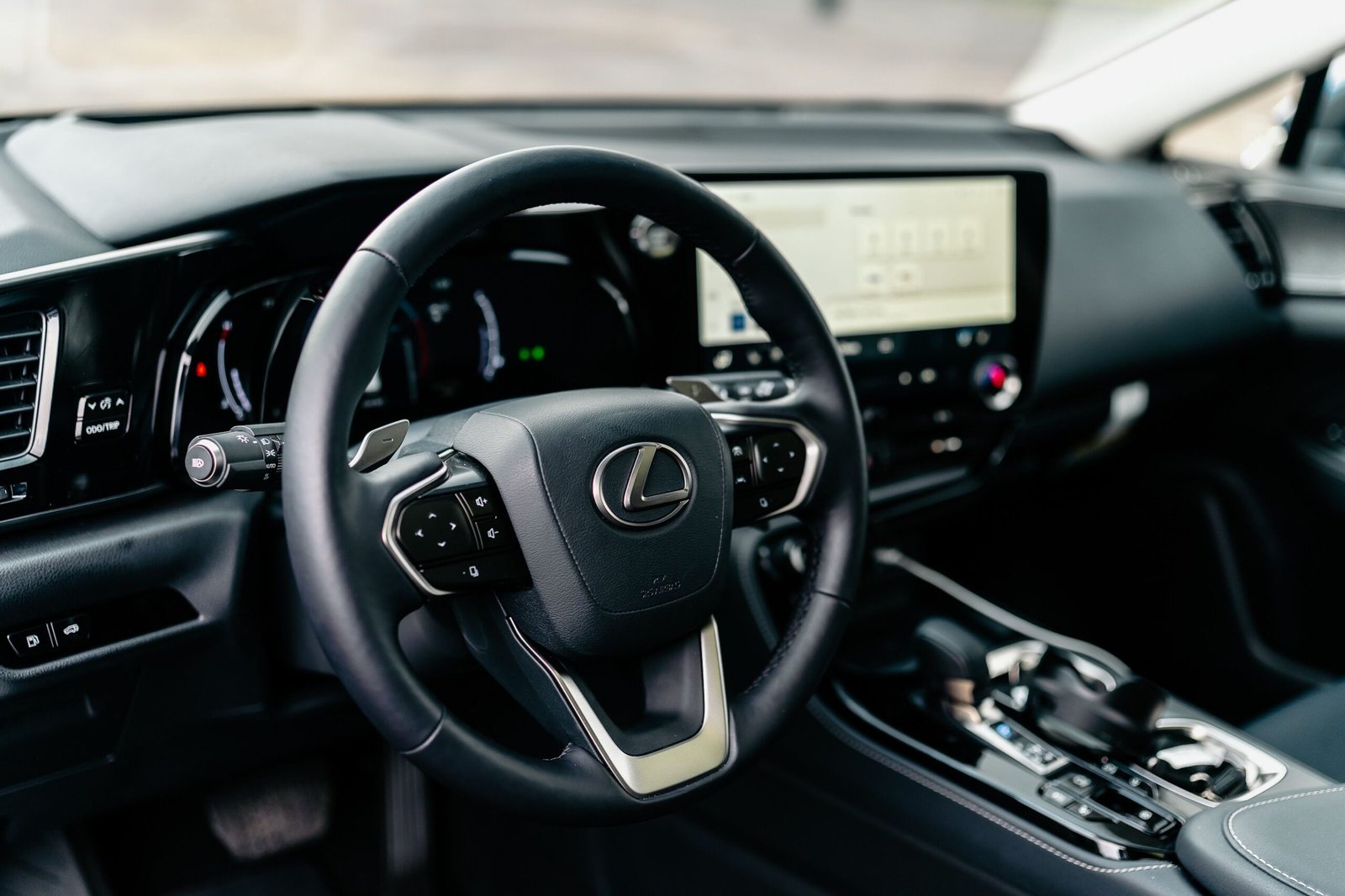
The Lexus TX 2025 is one of the most important three-row SUVs in the Lexus lineup because it was designed from the beginning to provide something many luxury family SUVs struggle to deliver: genuine passenger and cargo space across all three rows. Rather than simply adding a third row to an existing two-row SUV, Lexus created the TX as a dedicated three-row crossover with an emphasis on comfort, practicality, technology and refined road manners. For 2025, the Lexus TX continues with three different powertrain choices, including the turbocharged TX 350, the performance-oriented TX 500h hybrid and the plug-in-hybrid TX 550h+. Lexus also introduced a new F SPORT Handling grade for the TX 350 AWD, giving buyers another option if they want a more distinctive appearance and sharper driving characteristics. The 2025 TX starts at $56,490 including destination and processing fees in the U.S. market.
For shoppers searching for a 2025 Lexus TX review, the biggest attraction is its combination of luxury and everyday usefulness. The TX can accommodate up to seven passengers depending on configuration, while its third row is designed to be genuinely usable for adults rather than functioning as an emergency seating area. It also offers substantial cargo room, modern infotainment technology and a long list of standard driver-assistance features. Depending on the version selected, buyers can choose between conventional gasoline power, a turbocharged hybrid system or a plug-in-hybrid setup with an estimated 33 miles of electric-only driving. That broad powertrain lineup means the Lexus TX 2025 can appeal to several different types of buyers, from families wanting a comfortable gasoline SUV to drivers who prioritize fuel efficiency or electrified performance.
What Is the Lexus TX 2025?
The Lexus TX 2025 is a midsize luxury three-row crossover SUV positioned for buyers who need significantly more passenger space than a typical two-row luxury SUV. It shares its basic platform and family relationship with the Toyota Grand Highlander, but Lexus gives the TX its own exterior styling, interior design, suspension tuning, technology and luxury equipment. The result is a vehicle aimed at competitors such as the Audi Q7, Volvo XC90, Lincoln Aviator and other premium three-row SUVs. The TX is particularly notable because Lexus designed it around three-row usability rather than treating the third row as an afterthought.
For many families, that distinction is important. A three-row SUV can technically have seven seats but still be uncomfortable for passengers in the back. The TX takes a different approach by offering adult-friendly third-row space along with useful cargo capacity behind the rear seats. Lexus lists approximately 20.2 cubic feet of cargo space behind the third row, while folding the rear seating increases available cargo capacity substantially. This makes the TX suitable for school runs, road trips, airport journeys and everyday family transportation while retaining the quiet and premium character expected from a Lexus vehicle.
Lexus TX 2025 Engine and Performance
One of the most interesting aspects of the Lexus TX 2025 is that customers are not limited to a single engine. The TX 350 uses a 2.4-liter turbocharged four-cylinder engine producing 275 horsepower and 317 lb-ft of torque. Front-wheel drive is standard on the TX 350, while an electronically controlled full-time all-wheel-drive system is available. The engine is paired with an eight-speed automatic transmission, and Lexus has engineered the powertrain primarily around smooth, confident everyday performance rather than aggressive sports-SUV behavior.
The TX 350 should be particularly appealing to buyers who want a straightforward luxury family SUV without the additional complexity or higher price associated with the hybrid models. Its 275 horsepower output is sufficient for normal family driving, highway cruising and passing, although some independent reviews have noted that acceleration is not the strongest feature of the vehicle. Car and Driver, for example, recorded 7.1 seconds from zero to 60 mph for a front-wheel-drive TX 350 in its testing. The TX 350 is also rated to tow up to 5,000 pounds, giving it useful capability for trailers and recreational equipment when properly equipped.
Lexus TX 500h Hybrid Performance
For drivers who want more performance, the Lexus TX 500h provides a much more powerful alternative. This version combines a 2.4-liter turbocharged engine with electric motors and produces 366 total system horsepower and 406 lb-ft of torque. All-wheel drive is standard, and the TX 500h uses Lexus DIRECT4 technology along with Dynamic Rear Steering to improve traction and handling. Lexus positions this model as the performance-oriented member of the TX family, making it an interesting choice for buyers who want three-row practicality without accepting the slower acceleration of a conventional family SUV.
The hybrid system also improves fuel efficiency compared with the gasoline-powered TX 350. Published EPA figures put the TX 500h at approximately 27 mpg combined, compared with around 23 mpg combined for the TX 350. Independent testing has also demonstrated that the hybrid system provides strong, smooth acceleration, which is one of its biggest advantages. Consumer Reports recorded a 6.3-second zero-to-60-mph time for the TX 500h in its testing and measured 24 mpg overall.
Lexus TX 550h+ Plug-In Hybrid
At the top of the electrified lineup is the Lexus TX 550h+, a plug-in hybrid that combines a 3.5-liter V6 with electric motors. Lexus rates the system at 404 combined horsepower, making it the most powerful TX configuration. Unlike the conventional TX 500h, the TX 550h+ can be plugged into an external power source to recharge its battery and offers a manufacturer-estimated 33 miles of all-electric driving. That makes this version particularly attractive to drivers who have access to home charging and frequently make shorter daily journeys.
The plug-in hybrid also demonstrates how Lexus has attempted to give the TX lineup a broad range of personalities. The TX 350 is the conventional choice, the TX 500h focuses on a combination of performance and hybrid efficiency, and the TX 550h+ adds the ability to complete certain daily trips using electricity alone. All three powertrain choices retain the TX’s three-row practicality, and Lexus states that the TX powertrains can tow up to 5,000 pounds.
2025 Lexus TX Interior
The Lexus TX interior is arguably one of the vehicle’s biggest strengths. Instead of squeezing passengers into a compromised third row, Lexus designed the TX around family usability. Depending on configuration, the SUV can seat six or seven people. The standard arrangement generally uses a second-row bench for seven-passenger capacity, while second-row captain’s chairs create a six-passenger configuration. The TX 500h and TX 550h+ emphasize the captain’s-chair layout, giving rear passengers a more spacious and premium seating environment.
Technology is another major part of the TX cabin. A 14-inch infotainment touchscreen is standard, while a 12.3-inch digital driver information display became standard on TX 350 models for 2025. Wireless smartphone connectivity, wireless charging and available premium audio equipment add to the technology package. Buyers can also select a 21-speaker Mark Levinson audio system on appropriate trims, along with additional technology such as a head-up display, surround-view camera and digital rearview mirror depending on equipment and packages.
The interior is also designed to make long journeys more comfortable. Depending on trim, buyers can get heated and ventilated front seats, heated second-row seats, premium leather or semi-aniline leather upholstery, ambient lighting and additional comfort features. The higher trims therefore move the TX further into traditional luxury-SUV territory, while the base version still provides a substantial amount of standard equipment.
Lexus TX 2025 Cargo Space and Family Practicality
Cargo capacity is an important reason to consider the Lexus TX 2025 instead of a smaller luxury SUV. Lexus provides approximately 20.2 cubic feet of cargo space behind the third row, while the available space grows to approximately 57.4 cubic feet behind the second row and about 97 cubic feet behind the first row. These figures make the TX particularly useful for families carrying luggage, groceries, sports equipment or other large items.
This practical layout is one of the TX’s clearest differences from luxury SUVs that prioritize sleek styling over maximum interior usability. With the third row in use, there is still enough space for everyday luggage and smaller cargo. When the rear seats are folded, the TX can function as a highly practical large cargo hauler. For families who regularly carry several passengers and their belongings, this can be more important than having the fastest acceleration or the sportiest handling.
Lexus TX 2025 Fuel Economy
Fuel economy varies considerably depending on which Lexus TX 2025 powertrain is selected. The TX 350 is rated around 23 mpg combined, with the front-wheel-drive version reaching approximately 21 mpg city and 27 mpg highway. All-wheel-drive versions have slightly lower highway and city ratings. Car and Driver also recorded 31 mpg during its 75-mph highway fuel-economy test with a front-wheel-drive TX 350, although real-world results naturally depend on driving conditions, speed, weather and vehicle configuration.
The TX 500h offers better overall efficiency, with an EPA rating of approximately 27 mpg combined. The TX 550h+ takes a different approach because its plug-in-hybrid system allows electric driving before the gasoline engine becomes necessary. Lexus estimates approximately 33 miles of electric-only range, while published specifications list 76 MPGe and 29 mpg combined under the applicable testing methodology. For buyers who can regularly recharge the vehicle and have short daily commutes, the plug-in hybrid may provide significant advantages.
2025 Lexus TX Safety Features
Safety is another important part of the 2025 Lexus TX package. Lexus Safety System+ 3.0 is standard across the 2025 TX lineup. The system incorporates a range of active driver-assistance technologies intended to help drivers monitor traffic and respond to potential hazards. Depending on the system and driving conditions, features can include adaptive cruise control, lane-related assistance, blind-spot monitoring and rear cross-traffic alert.
The TX’s safety technology is particularly valuable for long-distance family driving because driver-assistance systems can reduce the workload associated with highway travel. However, these technologies should be regarded as assistance rather than autonomous driving, and the driver remains responsible for maintaining attention and control of the vehicle.
2025 Lexus TX F SPORT Handling
One of the notable changes for the 2025 model year is the arrival of the TX 350 F SPORT Handling grade. This version is available with all-wheel drive and adds equipment intended to make the TX look and feel more athletic. Features include an adaptive suspension, distinctive 22-inch wheels, ventilated front seats, a panoramic roof and a power-folding third row, along with styling changes that distinguish it from other TX 350 versions.
The F SPORT Handling model is a useful addition because it gives buyers an alternative to the traditional luxury-oriented TX formula. It does not turn the TX into a sports car, since the vehicle remains a large three-row SUV, but it provides a more distinctive appearance and additional chassis technology. For shoppers who like the practicality of the TX but want something more visually aggressive, this trim deserves consideration.
Lexus TX 2025 Price and Trims
The 2025 Lexus TX price varies significantly depending on powertrain, trim and optional equipment. Lexus announced a starting MSRP of $56,490 including destination and processing for the TX lineup. The TX 350 is available in Standard, Premium and Luxury grades, while the F SPORT Handling version is based on the TX 350 AWD. The hybrid and plug-in-hybrid versions occupy the higher end of the lineup and bring additional performance and equipment.
The middle TX 350 Premium can be an appealing balance for shoppers who want additional comfort without moving all the way to the highest-priced configuration. The Luxury grade adds further premium equipment, while the TX 500h makes sense for customers who place greater importance on acceleration and hybrid performance. The TX 550h+ is aimed at buyers who specifically want a plug-in hybrid and are prepared to pay more for its additional power and electric-driving capability.
Is the Lexus TX 2025 a Good Family SUV?
For many families, the answer is yes. The strongest argument for the Lexus TX 2025 is not outright performance but the way it combines three-row passenger space, cargo capacity, comfort, technology and Lexus refinement. Its adult-friendly third row gives it an advantage over many SUVs where the rear seats are best reserved for children, while the large cargo area makes it practical for family vacations and everyday errands. Independent automotive reviews have also highlighted its generous interior and useful technology as major strengths.
There are, however, some compromises. The TX 350 is not particularly sporty, and some reviewers have criticized aspects of its cabin materials, third-row access or ride quality. Buyers who want serious off-road capability should also look elsewhere in the Lexus lineup because the TX is primarily a road-focused crossover. The Lexus GX and LX offer a very different approach for customers who prioritize rugged terrain and traditional off-road capability.
Lexus TX 2025 vs. Competitors
The Lexus TX 2025 competes in a crowded luxury three-row SUV category that includes vehicles such as the Audi Q7, Volvo XC90, Lincoln Aviator, Acura MDX and Infiniti QX60. Its biggest advantage is the combination of space and powertrain variety. Some competitors may offer sportier driving dynamics or more prestigious cabin designs, but the TX’s three-row usability and broad selection of gasoline, hybrid and plug-in-hybrid powertrains make it a particularly versatile choice.
The TX also occupies an interesting position relative to the Toyota Grand Highlander. Both vehicles share significant underlying engineering, but the Lexus adds luxury-oriented styling, materials, technology and brand positioning. Buyers who primarily care about maximum value may find the Toyota more attractive, while those who want the Lexus experience and additional premium equipment may consider the TX worth the extra cost.
Which 2025 Lexus TX Should You Buy?
Choosing the best 2025 Lexus TX depends on how you plan to use the SUV. The TX 350 is the logical choice for buyers who want the simplest and most affordable entry into the lineup. It has plenty of power for normal driving and offers a strong combination of passenger room, cargo space and equipment. Choosing Premium can provide a useful upgrade in comfort and convenience without necessarily paying for the highest-performance powertrain.
The TX 500h is more appropriate for drivers who want quicker acceleration and improved fuel economy without needing to plug the SUV into a charger. Its 366 horsepower and 406 lb-ft of torque make it significantly more powerful than the TX 350. Meanwhile, the TX 550h+ is best suited to buyers who have convenient access to charging and want the ability to complete shorter journeys using electric power. The right choice therefore depends less on which model is universally “best” and more on whether your priority is value, luxury, performance or electrification.
Conclusion
The Lexus TX 2025 is a compelling choice for shoppers searching for a luxury three-row SUV that prioritizes usable space without abandoning premium comfort. Its adult-friendly third row, generous cargo capacity, extensive standard technology and multiple powertrain options make it one of the more versatile vehicles in its class. The TX 350 provides a practical entry point with a 275-horsepower turbocharged engine, while the TX 500h delivers 366 horsepower and improved hybrid efficiency. At the top of the lineup, the TX 550h+ combines a 404-horsepower plug-in-hybrid system with an estimated 33 miles of electric-only driving.
Ultimately, the 2025 Lexus TX is most appealing to buyers who need genuine three-row practicality but still want the quiet ride, technology and premium experience associated with Lexus. It may not be the most athletic SUV in its category, and shoppers focused primarily on off-road performance have better Lexus alternatives, but for family transportation, long-distance travel and everyday luxury, the TX offers a well-rounded package. With its combination of space, comfort, technology and powertrain choice, the Lexus TX 2025 deserves serious consideration among modern three-row luxury SUVs.
Frequently Asked Questions About Lexus TX 2025
Is the Lexus TX 2025 a good SUV?
Yes. The 2025 Lexus TX is particularly strong for buyers who need a spacious three-row luxury SUV with an adult-friendly third row, generous cargo capacity, modern technology and multiple powertrain choices.
How much does the 2025 Lexus TX cost?
The 2025 Lexus TX has a starting MSRP of $56,490 including destination and processing in the U.S. Pricing rises with higher trims, hybrid powertrains, plug-in-hybrid technology and optional equipment.
How many people can the Lexus TX 2025 seat?
Depending on configuration, the TX can seat up to seven people. Models equipped with second-row captain’s chairs generally provide seating for six.
How much horsepower does the Lexus TX 350 have?
The Lexus TX 350 uses a 2.4-liter turbocharged four-cylinder engine producing 275 horsepower and 317 lb-ft of torque.
Is the Lexus TX 2025 available as a hybrid?
Yes. The 2025 TX is available as the 366-horsepower TX 500h hybrid and the 404-horsepower TX 550h+ plug-in hybrid in addition to the conventional TX 350.
What is the electric range of the Lexus TX 550h+?
The Lexus TX 550h+ has a manufacturer-estimated electric-only range of approximately 33 miles.
How much can the 2025 Lexus TX tow?
Lexus states that the TX powertrain lineup can tow up to 5,000 pounds when properly equipped.
Does the Lexus TX 2025 have all-wheel drive?
All-wheel drive is available on the TX 350, while the TX 500h and TX 550h+ use all-wheel-drive systems as part of their electrified powertrains.
What is new for the 2025 Lexus TX?
For 2025, Lexus adds the TX 350 F SPORT Handling grade, makes the 12.3-inch multi-information display standard on TX 350 models and continues offering the three-powertrain strategy introduced with the TX.
Is the Lexus TX 2025 good for long road trips?
The TX is well suited to long-distance travel because it combines a spacious three-row cabin, substantial cargo capacity, available all-wheel drive, highway-oriented comfort and a wide selection of driver-assistance technologies. Its hybrid versions can also provide improved fuel efficiency compared with the conventional TX 350.



 Entertainment3 months ago
Audio Renderer Error Ryujinx: Causes, Fixes, and Complete Troubleshooting Guide
- Lifestyle2 months ago
Drew Ann Reid: Life Beyond the Spotlight
- Lifestyle2 months ago
Ibrahim Chappelle Biography: Family, Background, and Life Story
- Tech3 months ago
Network Node Explained: Functions, Types, and Uses
- Business2 months ago
Michigan Business Entity Search for LLCs, Corporations, and Nonprofits
- Blogs2 months ago
Aleksandra Plus: Everything You Need to Know in 2026
- Tech2 months ago
Submarine Technology: How Modern Submarines Work
- Lifestyle2 months ago
Pyjamaspapper: Complete Guide to Its Meaning, Origins, Uses