Tech
Network Node Explained: Functions, Types, and Uses

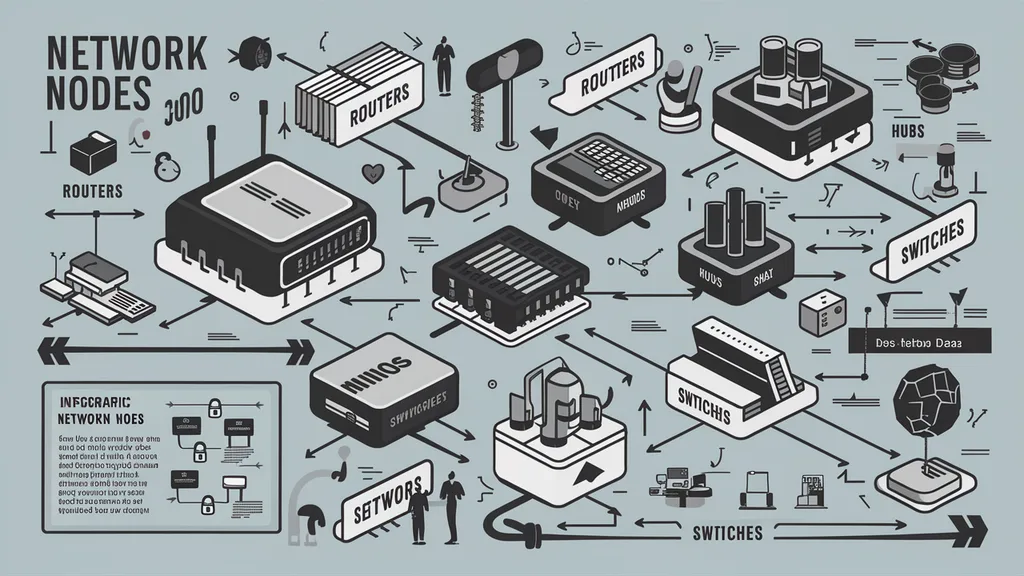
Introduction
Modern digital communication relies on complex computer networks that connect billions of devices worldwide. Whether you are browsing websites, sending emails, streaming videos, participating in video conferences, or accessing cloud services, network infrastructure works behind the scenes to ensure information moves efficiently between devices. At the center of this infrastructure is a fundamental concept known as the network node. Understanding what a node is in networking is essential for students, IT professionals, network administrators, and anyone interested in learning how digital communication systems operate.
A network node serves as a connection point within a network that can send, receive, what is a node in networking create, store, process, or forward data. Every modern network consists of multiple nodes working together to facilitate communication between devices and systems. From computers and smartphones to servers, routers, switches, printers, and Internet of Things (IoT) devices, nodes form the foundation of network connectivity. As technology continues to evolve, understanding the role of network nodes becomes increasingly important because they influence network performance, reliability, scalability, and security. This guide explores the definition, types, functions, examples, and significance of nodes in networking.
What Is a Node in Networking?
A node in networking is any device or connection point that participates in a network by transmitting, receiving, processing, or forwarding data. In simple terms, a node is an active participant in a communication network.
Every node has a unique function within the network. Some nodes generate data, while others route information to its destination. Certain nodes store information, and others help manage network traffic. Regardless of their role, all nodes contribute to the overall operation and effectiveness of the network.
A network cannot function without nodes because they provide the endpoints and intermediary points necessary for communication between devices.
Why Are Network Nodes Important?
Network nodes are essential because they enable communication across networks of all sizes. Without nodes, there would be no way for devices to exchange information, access resources, or connect to online services.
Nodes help networks perform several critical functions, including:
- Data transmission
- Resource sharing
- Network management
- Internet connectivity
- Device communication
- Data storage
- Traffic routing
- Security enforcement
As networks become larger and more complex, the role of nodes becomes even more significant in maintaining reliable and efficient communication.
How Network Nodes Work
Network nodes communicate using established networking protocols that define how information is transmitted and received. When a user sends data, such as an email or website request, the data travels through multiple nodes before reaching its destination.
For example, when you visit a website, your computer acts as a node that sends a request. That request may pass through routers, switches, servers, and other nodes before reaching the website’s hosting server. The server then sends information back through additional nodes until it arrives on your device.
This continuous exchange of information demonstrates how nodes work together to create seamless digital communication.
Types of Nodes in Networking
End Nodes
End nodes are devices that generate or consume data within a network. These devices typically serve as the starting or ending point of communication.
Examples include:
- Desktop computers
- Laptops
- Smartphones
- Tablets
- Printers
- Smart TVs
End nodes are the devices most users interact with daily.
Router Nodes
Routers are specialized nodes that direct data traffic between different networks. They analyze destination addresses and determine the most efficient path for data transmission.
Routers play a crucial role in internet communication because they connect local networks to broader networks and the internet.
Switch Nodes
Switches operate within local area networks (LANs) and help direct data between connected devices. Unlike routers, switches generally manage traffic within a single network environment.
By efficiently forwarding data only to intended recipients, switches improve network performance and reduce unnecessary traffic.
Server Nodes
Servers are powerful nodes that provide services, applications, and resources to other devices on a network.
Common server types include:
- Web servers
- Database servers
- Email servers
- File servers
- Application servers
Server nodes are critical for supporting websites, cloud computing platforms, and business operations.
IoT Nodes
The Internet of Things has introduced millions of new network nodes. IoT devices connect to networks and exchange data automatically.
Examples include:
- Smart thermostats
- Security cameras
- Smart speakers
- Fitness trackers
- Industrial sensors
These devices expand network capabilities and enable automation across various industries.
Examples of Network Nodes
Understanding real-world examples helps clarify the concept of network nodes.
When you connect your laptop to Wi-Fi, the laptop becomes a node. The wireless router is another node. The internet service provider’s equipment acts as additional nodes. The website server you access is also a node. Every point involved in transmitting data participates as a node within the larger network.
Other examples include:
- ATM machines
- Point-of-sale terminals
- Cloud servers
- Smart home devices
- Corporate workstations
- Data center equipment
Each of these devices contributes to network communication in some way.
Difference Between a Node and a Host
Many people confuse nodes and hosts because the terms are closely related.
A host is a specific type of node that has its own IP address and can directly communicate with other devices on a network. All hosts are nodes, but not all nodes are hosts.
For example:
- A computer with an IP address is both a host and a node.
- A network switch may be considered a node but not necessarily a host.
Understanding this distinction is important when studying network architecture and administration.
Network Nodes and Network Topology
Network topology refers to the arrangement of nodes and connections within a network. Different topologies organize nodes in unique ways to achieve specific performance and reliability goals.
Common network topologies include:
Star Topology
All nodes connect to a central hub or switch.
Bus Topology
Nodes share a common communication line.
Ring Topology
Nodes connect in a circular pattern.
Mesh Topology
Nodes connect directly to multiple other nodes.
Hybrid Topology
A combination of multiple topology designs.
The placement and interaction of nodes determine how efficiently a network operates.
Security Considerations for Network Nodes
Because nodes serve as communication points, they can also become targets for cyberattacks. Unauthorized access to network nodes may result in data breaches, service disruptions, or malware infections.
Organizations protect network nodes through:
- Firewalls
- Access controls
- Encryption
- Security monitoring
- Software updates
- Authentication systems
Strong node security is essential for maintaining network integrity and protecting sensitive information.
Advantages of Network Nodes
Network nodes provide numerous benefits that support modern communication systems.
Improved Connectivity
Nodes enable devices to communicate efficiently across local and global networks.
Scalability
Additional nodes can be added as networks grow.
Resource Sharing
Nodes allow users to access shared files, printers, applications, and services.
Reliability
Multiple nodes create redundancy and improve network resilience.
Enhanced Communication
Nodes facilitate real-time communication between users and systems worldwide.
Future of Network Nodes
The importance of network nodes will continue to grow as technologies such as 5G, cloud computing, artificial intelligence, edge computing, and the Internet of Things expand. Future networks may contain billions of interconnected nodes capable of processing and exchanging information at unprecedented speeds.
Advancements in networking technology will further increase the efficiency, intelligence, and automation capabilities of network nodes, making them even more critical to global communication infrastructure.
Conclusion
A node in networking is any device or connection point that participates in the transmission, reception, processing, or forwarding of data within a network. From personal computers and smartphones to routers, switches, servers, and IoT devices, nodes form the foundation of modern digital communication. They enable connectivity, support resource sharing, facilitate internet access, and help networks operate efficiently. Understanding network nodes is essential for anyone studying networking, information technology, cybersecurity, or digital infrastructure. As technology continues to evolve, network nodes will remain a fundamental component of the connected world.
Frequently Asked Questions (FAQs)
What is a node in networking?
A node is any device or connection point within a network that can send, receive, process, store, or forward data.
What are examples of network nodes?
Examples include computers, smartphones, servers, routers, switches, printers, and IoT devices.
Why are nodes important in networking?
Nodes enable communication between devices and facilitate the transfer of data across networks.
Is a router a network node?
Yes. A router is a network node that directs data traffic between different networks.
What is the difference between a node and a host?
A host is a type of node with its own IP address that can communicate directly on a network. All hosts are nodes, but not all nodes are hosts.
Can a smartphone be a network node?
Yes. When connected to a network, a smartphone functions as a network node.
What role do nodes play in network topology?
Nodes are the devices connected within a topology and determine how information flows through the network.
Are servers considered network nodes?
Yes. Servers are network nodes that provide services and resources to other devices.
How do network nodes communicate?
They communicate using networking protocols that define how data is transmitted and received.
What is the future of network nodes?
Network nodes will become increasingly important with the growth of 5G, cloud computing, AI, edge computing, and IoT technologies.

If you have recently received a call from 08000521251, you may be wondering who is behind the number, why they contacted you, and whether you should answer or call back. The number is also commonly written as 0800 052 1251 or internationally as +44 800 052 1251, and it belongs to the UK 0800 freephone numbering range. Online telephone-reporting services contain a substantial history of people searching for and commenting on this number. Some reports associate it with Virgin Media sales or marketing activity, while other users describe repeated, unwanted, or suspicious calls. A Virgin Media Community discussion also contains a response from a forum team member stating that 0800 052 1251 is their sales-team number, while emphasizing that callers should still go through appropriate data-protection checks. Because reports can change over time and caller ID can potentially be spoofed, the safest approach is not to assume that every call displaying this number is automatically genuine. Instead, verify the caller independently, avoid disclosing sensitive information during an unexpected call, and use official customer-service channels if you need to confirm whether a company actually tried to contact you.
08000521251 – Who Called Me?
The search query “08000521251 who called me” usually comes from people who have seen the number on their phone and want to identify the caller before answering or returning the call. Current public reports commonly connect 08000521251 with Virgin Media sales and marketing activity. One UK phone-reporting service identifies the number as a UK freephone number and says it was originally allocated to Virgin Media Limited, although number allocations can change. Other community-based telephone-reporting websites also contain reports describing callers who said they represented Virgin Media and were attempting to discuss packages, upgrades, contracts, or services.
However, identifying a number from online reports is not the same as proving the identity of a particular caller. Telephone numbers can be used by legitimate businesses, outsourced call centres, marketing teams, or, in some situations, impersonators. This is particularly important when a caller unexpectedly asks you to confirm personal or account information. Several reports about 08000521251 describe callers asking for information before the recipient was comfortable establishing the caller’s identity. That does not establish that every call from the number is fraudulent, but it does explain why people reasonably search for 08000521251 before continuing a conversation.
Is 08000521251 a Genuine Virgin Media Number?
There is evidence connecting 08000521251 with Virgin Media sales activity. In a Virgin Media Community discussion specifically about calls from 0800 052 1251, a Virgin Media forum team member stated that it was their sales-team number and explained that data-protection procedures would still apply even when the company initiated the call. This is stronger evidence than simply relying on an anonymous reverse-lookup website. At the same time, the same discussion illustrates why customers should remain cautious: the original poster was uncomfortable when asked to confirm personal details and chose to end the call.
There are also numerous community reports describing the number as telemarketing, aggressive advertising, nuisance calling, or harassment. One telephone-reporting service currently shows the number as predominantly associated with telemarketing and call-centre activity, with many negative user ratings. Another service records reports from people who say the caller claimed to be Virgin Media while requesting information. These reports should be treated as user experiences rather than definitive proof that the number itself is fraudulent. The most accurate conclusion is that 08000521251 has a documented connection with Virgin Media sales activity, but an unexpected call should still be independently verified before personal or financial information is disclosed.
Why Is 08000521251 Calling Me?
There are several possible reasons you may receive a call from 08000521251. Public reports frequently describe sales and marketing conversations involving Virgin Media services, package reviews, upgrades, mobile plans, broadband services, television products, or other commercial offers. Some people report receiving repeated calls, while others say the caller disconnected after only a short conversation or did not leave a voicemail. Because outbound sales teams and automated calling systems can contact large numbers of customers, a missed call from an unfamiliar freephone number does not necessarily mean that something is wrong with your account.
The important distinction is between a marketing call and a security-sensitive account conversation. A legitimate company may need to complete identity or data-protection checks before discussing an account, but a customer should never feel pressured to provide sensitive information simply because the caller claims to represent a familiar company. If you are uncertain, you can end the call and contact the company through a trusted official route rather than continuing an unexpected conversation. This approach is especially useful when the caller asks for information that you believe the company should already possess or when the conversation becomes unusually urgent, aggressive, or pressuring.
Is 08000521251 a Scam or Spam Number?
It would be inaccurate to describe 08000521251 as definitively fraudulent based solely on online complaints. The available evidence is mixed. Some sources identify the number with Virgin Media sales or marketing, and a Virgin Media Community representative has publicly described it as a sales-team number. At the same time, multiple independent telephone-reporting platforms contain negative user reports describing telemarketing, nuisance calls, aggressive advertising, and suspected scams.
This distinction matters because spam, telemarketing, nuisance calling, and fraud are not necessarily the same thing. A marketing call may be unwanted without being fraudulent, while a scammer could potentially imitate a legitimate company’s telephone number. Therefore, the safest answer to the question “Is 08000521251 a scam?” is that there are numerous negative reports and reasons to exercise caution, but the number itself should not be treated as conclusive proof of fraud. If the caller asks for passwords, full banking credentials, security codes, card information, or other highly sensitive information, do not provide it during an unsolicited call.
08000521251 Reviews and User Reports
Online reviews of 08000521251 show a recurring pattern of complaints about unwanted marketing and repeated calls. Some users say the caller claimed to be from Virgin Media and wanted to discuss services or upgrades. Others describe frequent calls, calls that ended quickly, or conversations in which the caller requested personal details. One reporting site currently categorizes the number primarily as a telemarketer or call-centre number, while another describes it as a negative-rated UK toll-free number.
These reviews are useful because they reveal the kinds of experiences other recipients have had, but they should not be confused with an official investigation. Community reports are inherently subjective and can sometimes contain inaccurate assumptions about the caller. For that reason, a good 08000521251 phone number lookup should be considered an initial warning or research step rather than the final answer. If the identity of the caller matters, verify it through the company’s official website, customer account, or a trusted customer-service number that you obtain independently.
What Should You Do If 08000521251 Calls You?
If 08000521251 calls you unexpectedly, you do not have to provide information simply because the caller says they represent Virgin Media or another organization. You can ask the caller to identify the company, department, and reason for the call, but avoid confirming sensitive information until you are satisfied that the call is legitimate. If you are a Virgin Media customer and the conversation concerns your account, an especially cautious approach is to end the call and initiate contact through your normal official customer-service route. This prevents an unexpected caller from controlling the verification process.
If the call appears to be ordinary marketing and you do not want to receive such calls, you can ask the caller to remove you from marketing contact lists and check your communication preferences through your customer account where applicable. A Virgin Media Community discussion specifically mentions the ability to opt out of marketing calls through the online account. If the number repeatedly calls after you have made clear that you do not want further contact, you can also block the number through your phone’s call settings and consider reporting persistent nuisance activity through the appropriate UK channels.
Should You Call 08000521251 Back?
There is generally little reason to return an unexpected call to 08000521251 merely because it appeared in your missed calls. UK 0800 numbers are freephone numbers, but the fact that a number is free to call does not establish who will answer or what the purpose of the call will be. Public sources describe 08000521251 as a number associated with sales and marketing activity, so if you genuinely need to speak with Virgin Media, it is safer to use a contact method you obtain independently rather than relying on the missed-call record.
If you are expecting a call from a company, you can also check your account, recent emails, or other official communications to determine whether there is a legitimate reason for contact. Never assume that because the number looks familiar, the person on the other end is automatically authorized to access your account. Caller ID can be misleading, and the safest security habit is to separate identifying the caller from verifying the caller.
How to Recognize a Suspicious Call From 08000521251
A suspicious call can often be identified by the caller’s behavior rather than the telephone number alone. Be particularly cautious if someone creates urgency, threatens that your service will be cancelled unless you act immediately, asks for passwords or security codes, requests complete banking information, demands payment during an unexpected call, or becomes aggressive when you refuse to provide information. Legitimate organizations should not require you to abandon sensible security practices simply because they contacted you first.
Another useful warning sign is resistance to independent verification. If you say that you would prefer to contact the company yourself and the caller insists that you must continue the current conversation, treat that as a reason to end the call. You can then use an official website or a trusted statement to find the company’s contact details. This simple habit greatly reduces the chance of accidentally giving personal information to an impersonator.
How to Block 08000521251
If you decide that you do not want further calls from 08000521251, blocking the number is usually straightforward. On most smartphones, you can open your recent calls, select the number, and choose an option such as Block, Block Caller, or Report Spam. The exact wording depends on whether you use an iPhone, Android device, or another telephone system. Blocking does not necessarily prevent every future unwanted call from the same organization because legitimate businesses or call centres may use multiple numbers, but it can stop calls from the particular number.
For persistent marketing calls, it may also be worth reviewing your marketing preferences with the company involved. If you are a Virgin Media customer, checking the communication preferences in your account may provide a more effective long-term solution than simply blocking individual numbers.
08000521251 and Virgin Media: What Customers Should Know
The connection between 08000521251 and Virgin Media is one of the most important points people are trying to establish when searching for this number. Public evidence does support an association with Virgin Media’s sales function. The Virgin Media Community response mentioned above explicitly identifies 0800 052 1251 as a sales-team number, while independent phone-reporting websites contain numerous historical reports connecting the number with Virgin Media promotions and marketing.
Nevertheless, customers should not use the number’s apparent association with Virgin Media as permission to disclose confidential information. The right security approach is simple: if you are uncertain, end the conversation and contact Virgin Media independently through an official channel. This allows you to verify whether there was a genuine sales or service reason for the call without relying on information supplied by an unexpected caller.
Final Verdict on 08000521251
So, who called from 08000521251? Available public information strongly associates 0800 052 1251 with Virgin Media sales and marketing, and a Virgin Media Community representative has confirmed that the number is used by its sales team. However, the number also has a substantial history of negative user reports involving telemarketing, repeated calls, nuisance behavior, and suspected scams.
The best conclusion is therefore one of cautious verification rather than automatic trust or automatic accusation. If you receive a call from 08000521251 and do not want to speak with the caller, you can simply decline the call or block the number. If you do answer, do not provide sensitive information until you have verified the caller independently. If you are genuinely expecting contact from Virgin Media, use an official customer account or trusted contact route to confirm the reason for the call. Taking these precautions allows you to deal with legitimate marketing calls while reducing the risk of falling victim to impersonation or telephone fraud.
Frequently Asked Questions About 08000521251
Who is 08000521251?
08000521251, formatted as 0800 052 1251, is a UK freephone number that public reports associate with Virgin Media sales and marketing. A Virgin Media Community forum representative has also stated that it is their sales-team number.
Is 08000521251 a scam?
There are numerous negative reports about the number, including reports of telemarketing, nuisance calls, and suspected scam behavior. However, there is also evidence that the number has been used for legitimate Virgin Media sales activity. Therefore, it is safer to verify an unexpected caller rather than automatically labeling every call from the number as a scam.
Why does 08000521251 keep calling me?
Reports indicate that the number has been used for outbound sales and marketing calls, and some users describe repeated calls. If you do not want marketing calls, review your communication preferences and consider blocking the number.
Is 0800 052 1251 the same as 08000521251?
Yes. 0800 052 1251 is simply a spaced version of 08000521251. When written internationally, it may appear as +44 800 052 1251.
Should I answer 08000521251?
You can answer if you want, but you are not required to provide personal information during an unexpected call. If the caller asks for sensitive details and you are uncertain about their identity, end the call and contact the company independently.
Can I block 08000521251?
Yes. Most smartphones allow you to block individual telephone numbers from the recent-call screen. You can also review your marketing preferences with the relevant company if the calls are unwanted.
Are calls to 0800 numbers free in the UK?
UK 0800 numbers are generally freephone numbers, meaning calls to them are free from UK landlines and mobiles. The freephone status of a number, however, does not by itself establish that a particular caller is legitimate.
What should I do if the caller asks for my bank details?
Do not provide banking credentials, passwords, one-time security codes, or other highly sensitive information during an unexpected call. End the conversation and contact the organization through a trusted official channel if you need to verify the request.
What is the safest way to verify 08000521251?
The safest approach is to avoid relying solely on caller ID or reverse-lookup websites. Instead, independently contact the company through its official website, customer account, or a trusted customer-service number and ask whether the company attempted to contact you.
Conclusion
The number 08000521251 has generated considerable interest because many people receive unexpected calls from it and want to know whether the caller is genuine. Current public evidence connects the number with Virgin Media sales activity, while independent user reports contain many complaints about telemarketing and nuisance calling. The most sensible response is neither to panic nor to automatically trust the caller. Instead, verify the identity independently, avoid sharing sensitive information during unsolicited calls, block the number if the calls are unwanted, and use official company channels whenever you need confirmation. This approach gives you a practical way to handle 08000521251, whether the call is a legitimate marketing contact or an attempt to obtain information under a false identity.
The search term “frappening forum” can lead people toward online discussions associated with leaked, stolen, or otherwise non-consensually shared private images. Because the subject involves privacy, consent, cybersecurity, and potentially harmful material, it is important to approach the topic carefully and responsibly. Rather than treating such forums simply as entertainment or places to find private content, this article explains what people may mean when searching for the term, why these communities have attracted attention, the risks associated with participating in them, and how internet users can find legitimate communities without contributing to privacy violations. Understanding the broader context also makes it easier to distinguish between ordinary online forums, news discussions, privacy-focused communities, and websites that facilitate the distribution of stolen personal material.
What Does “Frappening Forum” Mean?
The phrase “frappening forum” is generally used in searches referring to online communities or discussion spaces connected with the broader phenomenon commonly known as “The Fappening,” a term that became associated with the unauthorized distribution of private photographs stolen from celebrities’ accounts. A forum in this context may refer to a discussion board, community, archive, or other online gathering where people talk about the incident or, in problematic cases, attempt to locate and exchange private material. It is important to recognize that the existence of a search term does not make the underlying activity legitimate. Private photographs obtained without permission remain private, and redistributing them can cause serious harm to the people depicted. For readers researching this topic, the most useful approach is therefore to understand the history and privacy implications rather than seeking out stolen images or communities that facilitate their circulation.
The History Behind the Fappening Forum Search Term
Interest in the term grew substantially after a major 2014 incident involving the theft and online distribution of private photographs belonging to numerous celebrities. The incident generated widespread discussion about cloud security, password protection, phishing, account compromises, celebrity privacy, and the responsibilities of websites that host user-generated material. Online communities emerged around the controversy, while existing forums and social platforms also became places where users discussed the incident. Over time, searches involving terms such as Fappening forum, frappening forum, and related phrases became associated with attempts to locate discussions and material connected with the event. However, the historical importance of the incident is better understood through the lens of digital privacy and cybersecurity than through the content that was stolen. The event demonstrated that even highly visible public figures can become victims of serious privacy violations and that digital information can spread extremely rapidly once it has been unlawfully obtained.
Why Privacy and Consent Matter
One of the most important aspects of discussing a frappening forum is understanding the difference between publicly available content and private content that has been distributed without consent. A person being famous, having a public social-media account, or appearing in entertainment media does not mean that every photograph associated with that person is public property. Private photographs remain subject to expectations of privacy and personal autonomy. Sharing, downloading, requesting, or helping distribute material that was obtained through hacking or other unauthorized means can further amplify the original violation. A responsible article about the topic should therefore avoid reproducing, linking to, describing, or helping readers locate stolen images. Instead, discussion should focus on the consequences of privacy breaches, the importance of consent, and the broader lessons that internet users can take from incidents of this type.
Frappening Forum and Online Safety Risks
People searching for communities associated with leaked private material should also be aware that such websites can create significant cybersecurity and privacy risks for visitors. Untrustworthy forums may contain malicious advertisements, deceptive download buttons, phishing pages, tracking mechanisms, scams, or files designed to compromise devices. A website promising exclusive photographs or private archives may use sensational claims to encourage visitors to surrender account information or install questionable software. Users should be especially cautious about entering passwords, downloading unknown files, opening suspicious attachments, or following links that appear designed to bypass normal security protections. From a cybersecurity perspective, curiosity about controversial online material can sometimes expose a person to risks that have nothing to do with the original subject. Using reputable sources, keeping devices updated, enabling multi-factor authentication, and avoiding suspicious downloads are much safer practices.
Why Forums Can Become Problematic Communities
Online forums can be valuable places for discussion, but their structure can also create problems when communities encourage harmful behavior. Anonymous or pseudonymous environments sometimes make users feel less accountable for what they post, request, or share. When a community normalizes the circulation of stolen personal information, individual participants may underestimate the real-world consequences for victims. The problem can become even more serious when users repost material from one platform to another, creating multiple copies that are difficult to remove. This illustrates an important principle of internet privacy: once private information is distributed widely, removing every copy can become extremely difficult. Responsible online communities should establish clear rules against non-consensual intimate imagery, harassment, doxxing, stolen data, and other forms of privacy abuse while providing mechanisms for reporting harmful content.
Legal and Ethical Concerns Around Leaked Private Images
The legal consequences surrounding unauthorized access, theft, possession, and distribution of private information can vary considerably depending on the jurisdiction and circumstances. Laws may address computer intrusion, privacy violations, copyright, harassment, intimate-image abuse, or the distribution of unlawfully obtained material. Even when a particular action is not clearly covered by one law, it may still be ethically harmful because it continues the violation experienced by the victim. Readers should therefore avoid assuming that something is acceptable merely because it can be found online. The internet does not transform private material into public property. Ethical internet use requires considering whether the person depicted consented to the material being shared and whether accessing or redistributing it contributes to further harm.
How to Research the Fappening Forum Topic Responsibly
If your interest in the frappening forum topic is academic, journalistic, historical, or related to cybersecurity, there are safer ways to research it without accessing stolen material. Reputable news organizations, cybersecurity publications, court documents, academic research, and digital-privacy organizations can provide useful background about the original incident and its consequences. Search for information about the 2014 celebrity photo theft, cloud-account security, credential theft, privacy law, non-consensual intimate imagery, and cybersecurity lessons rather than searching for copies of private photographs. This approach can provide substantially more useful information because it focuses on why the incident occurred, how online platforms responded, what security lessons emerged, and how similar privacy violations can be prevented.
How to Find Safer Online Forums and Communities
If what you actually want is a forum where people discuss internet culture, cybersecurity, entertainment, or digital privacy, there are many safer alternatives. Look for communities with clearly published rules, active moderation, transparent reporting procedures, and policies against harassment and non-consensual content. Privacy and cybersecurity communities can provide educational discussions about password managers, multi-factor authentication, phishing awareness, account recovery, encryption, and personal-data protection. Entertainment forums can likewise provide legitimate discussions about celebrities, movies, television, music, and popular culture without relying on stolen private material. Choosing communities based on their moderation standards rather than sensational promises is one of the easiest ways to improve your online experience.
Protecting Your Own Accounts From Privacy Breaches
The history behind the Fappening demonstrates why ordinary internet users should take account security seriously. Use unique passwords for important accounts and consider a reputable password manager so that you do not have to reuse credentials across multiple services. Enable multi-factor authentication wherever it is available, particularly for email, cloud storage, social media, and financial accounts. Be cautious when responding to unexpected login alerts, password-reset messages, and emails requesting personal information. Phishing attacks frequently rely on urgency and emotional manipulation, so a message telling you that an account will immediately be closed should be treated carefully rather than automatically trusted. Regularly reviewing account security settings and connected devices can also help identify suspicious activity before it becomes a larger problem.
What to Do If Your Private Images Are Shared Without Permission
Anyone whose private images have been distributed without permission should remember that the violation is not their fault. A useful first step is to preserve evidence of the unauthorized publication, including relevant URLs, dates, usernames, and screenshots where appropriate, while avoiding unnecessary redistribution of the material. Depending on the platform and jurisdiction, victims may be able to submit removal requests, report the content, seek assistance from specialized organizations, or consult legal professionals. Victims should also consider securing affected accounts by changing passwords, enabling multi-factor authentication, reviewing active sessions, and checking recovery information. Friends and family can provide meaningful support by avoiding further circulation of the material and helping the affected person pursue legitimate removal and reporting options.
Frappening Forum: The Difference Between Discussion and Distribution
There is an important distinction between discussing a historical cybersecurity incident and participating in the distribution of material stolen during that incident. A journalist may discuss the event to explain digital-security failures, while a researcher may study it to understand online communities and privacy violations. Those activities are fundamentally different from searching for or exchanging private photographs obtained without consent. This distinction is especially important for publishers creating SEO content because an article can discuss the keyword frappening forum while still providing responsible, useful information. Search-engine visibility should not come at the expense of privacy, safety, or ethical standards. High-quality content answers the user’s underlying question without directing readers toward harmful material.
Why Responsible SEO Content Matters for This Topic
When creating an article around a controversial keyword such as frappening forum, SEO should be based on relevance, originality, usefulness, and clear intent rather than simply repeating the keyword. Search engines increasingly reward content that genuinely helps readers understand a subject, and readers are more likely to trust an article that provides context instead of sensationalism. Natural keyword placement can include related phrases such as Fappening forum meaning, Fappening history, online privacy forums, celebrity privacy, leaked image risks, non-consensual intimate images, and internet safety. These terms allow the article to cover the subject comprehensively while maintaining an educational focus. Avoiding explicit descriptions, stolen content, or links to questionable communities also makes the article more suitable for a responsible website.
Frequently Asked Questions About Frappening Forum
What is the “frappening forum” search term?
“Frappening forum” is a search phrase commonly associated with online discussions surrounding the Fappening, particularly the 2014 incident involving the unauthorized distribution of private celebrity photographs. Depending on the context, people may use the phrase to describe discussion boards, communities, or websites connected with the controversy.
Is the Fappening a real historical event?
Yes. The term became associated with the large-scale unauthorized distribution of private photographs in 2014. The incident received extensive attention because it raised serious questions about account security, privacy, hacking, consent, and the responsibilities of online platforms.
Is it safe to visit forums associated with leaked images?
Not necessarily. Untrusted forums can expose visitors to phishing, malicious advertisements, scams, tracking, and suspicious downloads. More importantly, communities that facilitate the distribution of private images without consent raise significant ethical and potentially legal concerns.
Can private images be shared without permission?
The fact that an image is available online does not mean that everyone has permission to redistribute it. Sharing private or intimate images without the subject’s consent can cause serious harm and may violate laws depending on the jurisdiction and circumstances.
How can I research the Fappening without viewing private images?
Use reputable news reports, cybersecurity research, academic publications, privacy organizations, and legal analysis. Search for the history of the 2014 incident, cybersecurity lessons, cloud-account security, privacy law, and non-consensual image distribution rather than searching for stolen photographs.
What should I do if someone shares my private images?
Document relevant evidence, report the material to the platform hosting it, secure your online accounts, and consider seeking assistance from a qualified legal professional or an organization that supports victims of non-consensual image distribution. Avoid blaming yourself for someone else’s unauthorized actions.
How can I make my online accounts more secure?
Use unique passwords, enable multi-factor authentication, keep software updated, avoid suspicious links and attachments, and review account sessions and recovery settings periodically. These measures can significantly reduce the risk of unauthorized account access.
Conclusion
The phrase “frappening forum” is connected to a controversial chapter in internet history involving privacy breaches, unauthorized access, and the distribution of private photographs without consent. While the subject continues to attract searches because of its historical and cultural significance, the responsible way to approach it is through education rather than participation in the circulation of stolen material. The incident offers important lessons about cybersecurity, account protection, digital consent, and the lasting consequences of online privacy violations. Whether you are researching the history of the Fappening, writing an SEO article, studying internet communities, or simply trying to understand the search term, focusing on privacy, security, and responsible online behavior provides far more lasting value than seeking harmful content.
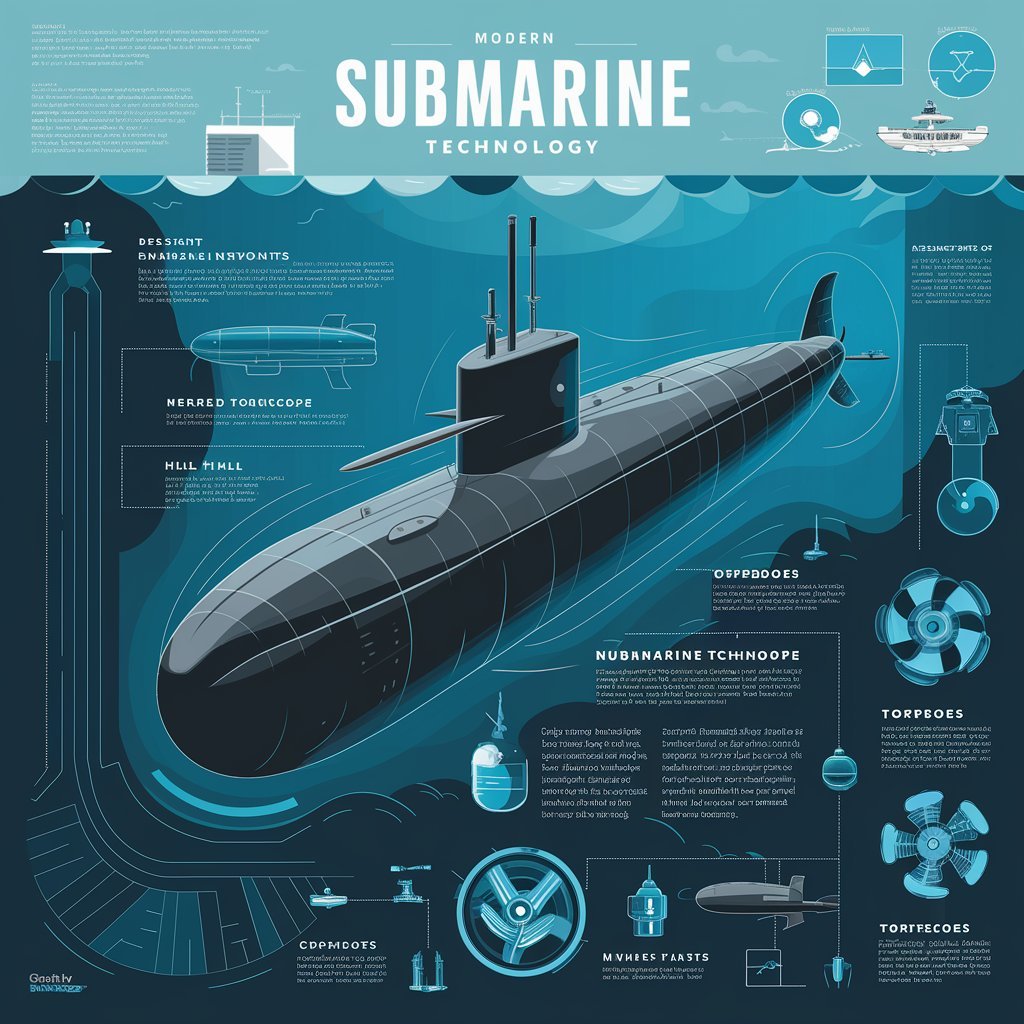
A Submarine is one of the most advanced engineering achievements ever created for operating beneath the surface of the ocean. Unlike conventional ships, submarines are specifically designed to travel underwater for extended periods, allowing them to perform military operations, scientific research, underwater exploration, search-and-rescue missions, and environmental monitoring. Their ability to remain submerged while navigating vast ocean environments has made them indispensable tools for both national defense and scientific discovery.
Since the first experimental underwater vessels were developed centuries ago, submarine technology has evolved dramatically. Today’s submarines feature sophisticated navigation systems, advanced sonar, nuclear or diesel-electric propulsion, powerful communication equipment, and highly specialized onboard facilities. This comprehensive guide explores the history of submarines, how they work, their various types, military and civilian applications, technological innovations, environmental considerations, and the future of underwater exploration.
What Is a Submarine?
A submarine is a watercraft capable of operating beneath the surface of the sea for extended periods. Unlike surface ships, submarines use ballast tanks to control buoyancy, allowing them to dive, maintain depth, or return to the surface. Modern submarines are designed to withstand immense underwater pressure while carrying crews, scientific equipment, cargo, or specialized mission systems depending on their intended role.
Submarines are used by naval forces, scientific organizations, research institutions, and commercial operators. Their unique capabilities allow them to perform tasks that cannot be accomplished efficiently by surface vessels alone.
History of Submarines
The concept of underwater navigation has fascinated inventors for centuries. Early submarine designs were relatively simple and relied on manual propulsion, but advances during the nineteenth and twentieth centuries transformed them into practical machines for military and exploration purposes.
The development of diesel-electric propulsion significantly increased operational effectiveness, while the introduction of nuclear propulsion revolutionized submarine endurance by allowing vessels to remain underwater for months without refueling. Continuous technological innovation has further improved safety, navigation, stealth, and operational capabilities.
How Submarines Work
Submarines operate using a combination of buoyancy control, propulsion systems, navigation equipment, and onboard life-support technologies. Ballast tanks fill with water when the vessel needs to dive and are emptied using compressed air when it returns to the surface. This controlled management of buoyancy enables precise underwater movement.
Modern submarines use advanced sonar systems to detect underwater objects, navigate safely, and monitor surrounding environments. Navigation relies on sophisticated computers, inertial navigation systems, satellite updates when surfaced, and highly trained crews capable of operating in complex underwater conditions.
Types of Submarines
Submarines are built for a wide range of specialized missions. Military submarines include attack submarines designed to protect fleets, gather intelligence, and engage hostile vessels, while ballistic missile submarines provide strategic deterrence by carrying long-range missile systems. Cruise missile submarines focus on precision strike capabilities, and diesel-electric submarines remain valuable for coastal defense and regional operations.
Civilian and research submarines are equally important. Scientific submersibles study marine ecosystems, underwater geology, archaeology, and ocean biodiversity. Specialized commercial submarines support offshore energy industries, infrastructure inspections, and underwater engineering projects.
Nuclear-Powered vs. Diesel-Electric Submarines
One of the most significant differences between submarines lies in their propulsion systems. Nuclear-powered submarines generate energy from onboard nuclear reactors, allowing them to operate underwater for extended periods without frequent refueling. This makes them particularly effective for long-range missions and strategic operations.
Diesel-electric submarines rely on diesel engines and battery systems. While they generally require periodic access to air for battery charging, modern designs are highly efficient, quieter in certain operating conditions, and well suited for regional naval missions and coastal waters.
Military Importance of Submarines
Submarines play a central role in modern naval strategy because of their ability to operate discreetly beneath the ocean’s surface. They contribute to intelligence gathering, surveillance, maritime security, reconnaissance, search-and-rescue support, and strategic deterrence. Their endurance and flexibility make them valuable assets for protecting national interests and supporting international maritime operations.
In addition to defense missions, submarines often participate in humanitarian efforts by assisting with underwater inspections, locating sunken vessels, and supporting disaster-response activities.
Scientific Research and Ocean Exploration
Scientific submarines have dramatically expanded our understanding of Earth’s oceans. Researchers use specialized underwater vehicles to explore deep-sea ecosystems, hydrothermal vents, coral reefs, and underwater mountain ranges that remain inaccessible to conventional ships.
These missions contribute to discoveries in marine biology, geology, climate science, and environmental conservation. Data collected during submarine expeditions helps scientists better understand ocean circulation, biodiversity, and the impact of climate change on marine environments.
Safety Features
Modern submarines incorporate extensive safety systems designed to protect both crew members and mission objectives. These include pressure-resistant hulls, emergency life-support equipment, fire suppression systems, redundant electrical systems, escape procedures, and continuous monitoring of onboard conditions.
Crew members undergo rigorous training to respond effectively to emergencies while maintaining operational readiness throughout extended deployments.
Technological Innovations
Advances in submarine technology continue to improve underwater operations. Artificial intelligence, autonomous underwater vehicles, enhanced sonar, improved battery technology, advanced materials, and digital navigation systems are expanding the capabilities of both military and civilian submarines.
Engineers are also developing quieter propulsion methods, more efficient energy systems, and environmentally responsible technologies that reduce operational impacts while improving mission effectiveness.
Environmental Considerations
Responsible submarine operations include minimizing environmental impacts through careful navigation, pollution prevention, and compliance with international maritime regulations. Scientific organizations frequently use submarines to monitor marine ecosystems, assess environmental changes, and support conservation initiatives.
Technological improvements continue to reduce emissions, improve efficiency, and strengthen environmental stewardship across both military and civilian maritime operations.
Future of Submarines
The future of submarine technology is expected to feature increased automation, enhanced artificial intelligence, advanced underwater communication, improved energy storage, and greater integration with autonomous underwater vehicles. These innovations will support scientific exploration, maritime security, environmental monitoring, and commercial operations while expanding humanity’s ability to safely study and utilize the world’s oceans.
As engineering continues to evolve, submarines will remain among the most sophisticated vehicles ever built, playing an increasingly important role in research, transportation, defense, and ocean conservation.
Conclusion
Submarines represent one of the greatest achievements in modern engineering, combining advanced technology, precision design, and exceptional operational capability to explore and operate beneath the world’s oceans. From protecting national security to advancing scientific knowledge and supporting underwater industries, submarines have transformed the way humanity interacts with the marine environment.
Whether used for defense, research, exploration, or commercial purposes, submarines continue to demonstrate remarkable versatility and innovation. As new technologies emerge, future generations of underwater vessels are expected to become even safer, more efficient, and better equipped to address global challenges while expanding our understanding of the oceans.
Frequently Asked Questions (FAQ)
1. What is a submarine?
A submarine is an underwater vessel designed to operate beneath the ocean’s surface for extended periods.
2. How does a submarine dive?
It dives by filling ballast tanks with water, increasing its overall density until it becomes negatively buoyant.
3. What is the difference between a nuclear and a diesel-electric submarine?
Nuclear submarines can remain underwater for much longer without refueling, while diesel-electric submarines rely on batteries that require periodic recharging.
4. What are submarines used for?
They are used for national defense, scientific research, underwater exploration, environmental monitoring, infrastructure inspection, and search-and-rescue support.
5. How do submarines navigate underwater?
They use sonar, inertial navigation systems, onboard computers, and trained crews to travel safely beneath the sea.
6. Are submarines safe?
Modern submarines are built with multiple safety systems, pressure-resistant hulls, emergency equipment, and extensive crew training to support safe operations.
7. Can submarines explore the deep ocean?
Yes. Specialized research submarines and deep-sea submersibles are designed to study some of the deepest parts of Earth’s oceans.
8. Why are submarines important to navies?
They provide strategic deterrence, intelligence gathering, surveillance, maritime security, and operational flexibility in underwater environments.
9. How long can submarines stay underwater?
The duration varies depending on the submarine’s design and mission. Nuclear-powered submarines can remain submerged for extended periods, while diesel-electric submarines generally require more frequent opportunities to recharge batteries.
10. What is the future of submarine technology?
Future developments include artificial intelligence, autonomous underwater systems, advanced energy storage, improved communications, quieter propulsion, and enhanced scientific exploration capabilities.


 Entertainment3 months ago
Audio Renderer Error Ryujinx: Causes, Fixes, and Complete Troubleshooting Guide
- Blogs3 months ago
28 Days From Today: Complete Date Calculation Guide
- Lifestyle2 months ago
Drew Ann Reid: Life Beyond the Spotlight
- Lifestyle2 months ago
Ibrahim Chappelle Biography: Family, Background, and Life Story
- Business2 months ago
Michigan Business Entity Search for LLCs, Corporations, and Nonprofits
- Blogs2 months ago
Aleksandra Plus: Everything You Need to Know in 2026
- Tech2 months ago
Submarine Technology: How Modern Submarines Work
- Lifestyle2 months ago
Pyjamaspapper: Complete Guide to Its Meaning, Origins, Uses