
Blogs
Ford Focus 2016 Car: Complete Guide, Features, Performance, Reliability and Buying Advice

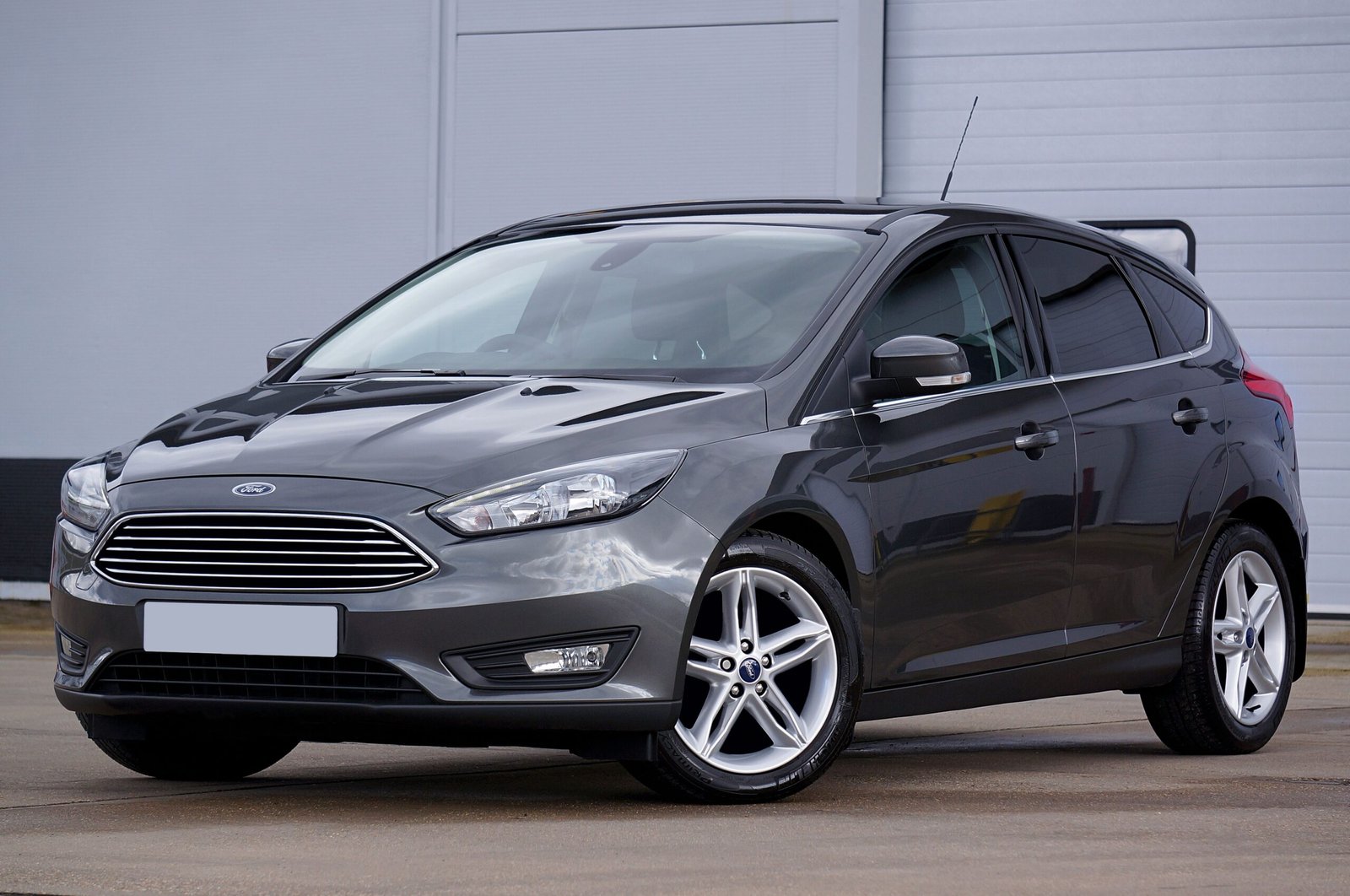
The Ford Focus 2016 car remains an interesting choice for drivers looking for a compact vehicle that combines practical dimensions, comfortable everyday driving, modern styling, and a range of useful features. As a member of Ford’s long-running Focus family, the 2016 model was designed to compete in a crowded compact-car market against vehicles such as the Honda Civic, Toyota Corolla, Mazda3, Volkswagen Golf, and Hyundai Elantra. The Focus was offered in different body styles and configurations depending on the market, giving buyers options ranging from practical commuting cars to sportier versions. Even though the 2016 Ford Focus is now an older used vehicle, it can still attract shoppers who want an affordable compact car, particularly when they find an example with a good maintenance history and reasonable mileage.
When considering a 2016 Ford Focus, however, buyers should look beyond its appearance and advertised price. Used-car condition can vary significantly because these vehicles have now been on the road for many years. Maintenance records, transmission behavior, engine condition, accident history, mileage, previous ownership, and regional specifications can all have a major effect on whether a particular Focus is a good purchase. Understanding the car’s strengths and potential weaknesses before buying can help shoppers make a more informed decision. This guide examines the Ford Focus 2016 car in detail, including its design, engine choices, interior, driving experience, fuel economy, reliability considerations, common problems, maintenance, and used-car buying advice.
Ford Focus 2016 Overview
The 2016 Ford Focus was positioned as a compact car that emphasized responsive handling, attractive styling, useful technology, and everyday practicality. Its relatively compact exterior made it suitable for urban driving and parking, while its interior provided enough space for normal commuting and small-family use. Depending on the market, buyers could encounter sedan and hatchback versions, while equipment levels varied substantially. Some examples were basic transportation-focused models, while higher trims included additional convenience, infotainment, safety, and comfort equipment. This variation is particularly important in the used market because two 2016 Focus vehicles with similar mileage can have noticeably different specifications and equipment.
One of the reasons the Focus attracted attention was its driving character. Ford traditionally emphasized handling and steering response in the Focus, giving it a somewhat more engaging feel than some compact competitors that prioritized comfort above everything else. The 2016 model continued that approach while offering a design that looked more mature than earlier Focus generations. For buyers who want a compact used car that is easy to maneuver but does not feel completely ordinary behind the wheel, the Focus can still be appealing.
2016 Ford Focus Exterior Design
The exterior design of the Ford Focus 2016 car gives it a recognizable appearance without being excessively aggressive. The front end features Ford’s characteristic grille and swept-back headlamp design, while the body has smooth lines intended to improve both appearance and aerodynamic efficiency. The hatchback version provides a sportier visual profile and can offer additional flexibility for carrying luggage or larger objects compared with a conventional sedan.
Because styling preferences are subjective, the Focus has aged differently in the eyes of different buyers. Some shoppers may prefer its relatively clean and modern appearance, while others may consider newer compact cars more visually impressive. Nevertheless, a well-maintained 2016 Focus can still look attractive, particularly when the exterior paint, wheels, lights, glass, and body panels have been properly cared for. When inspecting a used example, buyers should pay attention not only to cosmetic condition but also to evidence of previous accidents, uneven panel gaps, mismatched paint, rust, damaged bumpers, and poorly repaired bodywork.
Interior and Comfort
Inside, the 2016 Ford Focus offers a driver-oriented cabin with controls and displays designed around everyday usability. Depending on trim level and options, equipment could include features such as an infotainment system, steering-wheel controls, Bluetooth connectivity, climate-control functions, power accessories, and upgraded audio equipment. Higher-specification examples can feel substantially more desirable than entry-level versions because of their additional convenience features.
The front seats generally provide the kind of space expected from a compact car, making the Focus suitable for commuting and daily transportation. Rear-seat space is more limited, which is common in this class, so buyers who regularly transport several adults should test the vehicle before purchasing. The hatchback can be particularly useful for people who value cargo flexibility. Folding the rear seats can create a more versatile loading area, making the car useful for shopping, luggage, and other everyday needs.
Engine and Performance
The engine specifications of a 2016 Ford Focus depend on the market and configuration, so shoppers should verify the exact engine fitted to the individual vehicle rather than assuming every Focus has identical mechanical specifications. In markets where gasoline four-cylinder engines were offered, the Focus generally delivered enough performance for normal city and highway driving while maintaining the efficiency expected from a compact vehicle.
The Focus was not designed primarily as a high-performance car in its standard configurations, but its handling characteristics can make ordinary driving more enjoyable. Steering response and cornering behavior are among the qualities that can distinguish the Focus from some competitors. Drivers who prioritize a balanced combination of fuel economy, maneuverability, and handling may appreciate this characteristic. Performance should nevertheless be evaluated in the context of the car’s age, because a poorly maintained example may feel significantly different from one that has received regular servicing.
Fuel Economy
Fuel economy is one of the important reasons buyers consider compact cars such as the Focus. A properly maintained 2016 Focus can provide reasonable fuel efficiency for commuting, although the exact figures depend on engine, transmission, body style, driving conditions, traffic, tire condition, and driving habits. Stop-and-go urban traffic typically produces different results from steady highway driving.
When shopping for a used Ford Focus 2016 car, buyers should not rely entirely on the original fuel-economy rating. A vehicle that has accumulated many years and thousands of miles may deliver different real-world consumption because of aging components, tire pressure, alignment, engine maintenance, air-filter condition, and driving style. Tracking actual fuel consumption over several tanks can provide a much better understanding of an individual car’s efficiency.
Transmission and Driving Experience
The transmission is one of the most important areas to investigate when purchasing a used 2016 Focus. Depending on the market and configuration, different transmission choices were available, and the behavior of the particular vehicle should be carefully evaluated during a test drive. Buyers should pay attention to hesitation, unusual noises, harsh engagement, shuddering, slipping, delayed response, warning lights, or other abnormal behavior.
A test drive should include both slow urban driving and faster road conditions where possible. Starting from a stop, accelerating gradually, accelerating more firmly, reversing, and moving through different gears can reveal problems that may not be obvious during a short drive around a parking lot. If the transmission behaves unusually, the buyer should have the vehicle professionally inspected before making a purchase. A low asking price does not necessarily compensate for a major drivetrain repair.
Reliability of the Ford Focus 2016
Reliability is a particularly important consideration because the 2016 Focus is now firmly in the used-car category. The reliability of an individual vehicle depends heavily on how it was maintained and driven. Two cars of the same year can have completely different ownership histories, so the condition of the specific vehicle should receive more attention than the model year alone.
Potential buyers should request maintenance documentation when available and look for evidence of regular oil changes, scheduled servicing, brake maintenance, cooling-system care, tire replacement, battery replacement, and other routine work. A vehicle with complete records can provide considerably more confidence than an apparently inexpensive car with an unknown history. It is also worthwhile to check whether any applicable recalls or service campaigns have been addressed for the specific vehicle.
Common Problems to Check
As with many older used cars, the 2016 Ford Focus can develop age- and mileage-related issues. Potential concerns vary according to engine, transmission, market, and individual history, so they should not automatically be assumed to affect every vehicle. Transmission behavior deserves particular attention, especially if the car displays hesitation, shuddering, unusual engagement, or other symptoms. Electrical issues, worn suspension components, aging engine mounts, brake wear, air-conditioning problems, and general deterioration can also appear as a vehicle accumulates mileage.
A professional pre-purchase inspection is therefore one of the smartest steps a buyer can take. An experienced mechanic can examine the engine, transmission, suspension, steering, brakes, tires, fluids, cooling system, electrical components, and underbody. A diagnostic scan may also identify stored fault codes that are not obvious from the dashboard. Spending money on an inspection before buying can potentially prevent a much larger repair bill later.
Maintenance for a 2016 Ford Focus
Regular maintenance is essential for keeping an older Focus dependable. Engine oil and filter changes should follow the appropriate schedule and specification for the particular engine. Tires should be inspected for tread depth, uneven wear, age, and correct inflation. Brake components should be checked regularly, while coolant, transmission-related fluids, belts, hoses, battery condition, and other service items should be addressed according to the vehicle’s maintenance requirements.
Owners should also pay attention to small warning signs. A new vibration, unusual noise, fluid leak, warning light, difficulty starting, change in transmission behavior, or deterioration in fuel economy can sometimes indicate a developing problem. Addressing smaller issues early is generally preferable to continuing to drive until a component fails completely. For an older vehicle, preventative maintenance can make a significant difference in long-term ownership costs.
Is the 2016 Ford Focus Good for Daily Driving?
For many drivers, the answer can be yes, provided the particular vehicle is in good mechanical condition. The Focus is compact enough for city streets and parking spaces, while its interior and cargo capacity make it practical for everyday activities. Its handling can also make it more enjoyable to drive than some basic commuter vehicles.
However, buyers should remember that a 2016 vehicle is no longer new. Age-related maintenance should be expected, and purchasing the cheapest example available can sometimes result in higher ownership costs later. A well-maintained Focus with a documented history can be a much better proposition than a cheaper example with neglected maintenance or unresolved mechanical problems.
2016 Ford Focus vs. Competitors
The compact-car market offers numerous alternatives to the Focus. The Honda Civic and Toyota Corolla have strong reputations for practicality and long-term ownership, while the Mazda3 is often attractive to buyers who place a high value on driving dynamics and interior design. The Hyundai Elantra and other compact competitors can also provide compelling combinations of equipment, comfort, and value.
The Focus makes the most sense for buyers who find a well-maintained example at an appropriate price and appreciate its handling, styling, and compact dimensions. There is no single best used compact car for every shopper. Instead, the best choice depends on condition, price, maintenance history, equipment, driving requirements, and local availability.
What to Look for When Buying a Used Ford Focus 2016
Before buying a used Ford Focus 2016 car, inspect the vehicle in daylight and, if possible, when the engine is cold. Look for signs of accident repairs, rust, fluid leaks, damaged trim, worn tires, cracked lights, and inconsistent body panels. Inside the cabin, test the air conditioning, heating, windows, locks, infotainment system, lights, dashboard controls, and other electrical equipment. During the test drive, pay close attention to steering, braking, suspension noises, engine response, and transmission operation.
Documentation is equally important. Ask for service records, ownership history, registration information, and any available repair receipts. A vehicle-history report may provide additional information about accidents or other reported events, although such reports are not always complete. Finally, arrange an independent mechanical inspection before purchasing. This is especially important when buying an older vehicle privately or from a seller who cannot provide detailed maintenance records.
Pros and Cons of the Ford Focus 2016
Pros
- Compact dimensions make it easy to maneuver.
- Attractive and recognizable exterior design.
- Hatchback versions provide useful cargo flexibility.
- Generally enjoyable handling for a compact car.
- Suitable for commuting and everyday transportation.
- Wide availability of used examples in many markets.
- Can represent good value when properly maintained.
Cons
- Rear-seat space is not especially generous.
- Used examples can vary considerably in condition.
- Transmission behavior should be carefully evaluated.
- Older examples may require age-related repairs.
- Equipment varies significantly between trims and markets.
- A low purchase price can be misleading if maintenance has been neglected.
Final Verdict
The Ford Focus 2016 car can still be a sensible used-car option for the right buyer. Its compact dimensions, practical design, comfortable everyday character, and engaging handling make it appealing to people who want affordable transportation without choosing an overly basic vehicle. The hatchback is particularly useful for buyers who need additional cargo flexibility, while sedan versions can appeal to drivers who prefer a traditional trunk.
The most important factor is the condition of the individual car. Because these vehicles have been used for many years, buyers should prioritize maintenance history, mechanical condition, transmission behavior, accident history, mileage, and inspection results rather than simply choosing the cheapest listing. A carefully inspected and properly maintained 2016 Focus can continue to serve as useful daily transportation, while a neglected example can quickly become expensive. For that reason, a professional pre-purchase inspection and thorough test drive should be considered essential steps before purchasing.
Frequently Asked Questions
Is the 2016 Ford Focus a good car?
The 2016 Ford Focus can be a good used car when it has been properly maintained and is in good mechanical condition. Its compact size, practical interior, handling, and available features make it suitable for commuting and everyday use. Buyers should carefully inspect the transmission and overall condition before purchasing.
What engine does the 2016 Ford Focus have?
Engine availability varies by market and configuration. Buyers should check the vehicle identification information and local specifications for the exact engine installed in a particular 2016 Focus.
Is the 2016 Ford Focus fuel efficient?
The Focus was designed as a relatively efficient compact car, but real-world fuel consumption varies according to engine, transmission, traffic, road conditions, tire condition, and driving habits. A well-maintained example should generally deliver reasonable economy for its class.
Does the 2016 Ford Focus have a good interior?
The interior is practical for a compact car, with front occupants generally receiving adequate space and comfort. Equipment depends heavily on trim level and market. Hatchback versions also provide useful cargo flexibility.
What are common things to check on a used 2016 Ford Focus?
Buyers should carefully check transmission operation, engine performance, suspension, brakes, tires, air conditioning, electrical equipment, warning lights, fluid leaks, and accident damage. Maintenance records and an independent inspection are highly recommended.
Is a 2016 Ford Focus good for a first-time car buyer?
It can be, particularly when the buyer chooses a well-maintained example and understands the potential costs associated with owning an older vehicle. A pre-purchase inspection is especially valuable for first-time buyers because it can identify problems before the purchase.
Should I buy a high-mileage 2016 Ford Focus?
Mileage alone should not determine whether a used Focus is worth buying. A higher-mileage car with excellent maintenance records can be preferable to a low-mileage vehicle that has been neglected. Condition, service history, price, and inspection results should all be considered together.
How long can a 2016 Ford Focus last?
There is no guaranteed lifespan because durability depends on maintenance, driving conditions, climate, mileage, and individual vehicle history. Regular servicing and prompt repairs can help an older Focus remain useful for many additional years.
Conclusion
The Ford Focus 2016 car continues to offer an appealing combination of compact dimensions, everyday practicality, attractive styling, and enjoyable road manners in the used-car market. Although it is no longer a new vehicle, its basic strengths can still make it a worthwhile option for commuters, students, small families, and drivers seeking affordable transportation. The key is to choose the right example rather than simply focusing on the model name or advertised price.
If you are considering buying a 2016 Ford Focus, take time to compare several vehicles, review their histories, conduct a thorough test drive, and have your preferred car inspected by a qualified mechanic. With careful research and realistic expectations about maintaining an older vehicle, a well-cared-for Focus can remain a practical and enjoyable choice.
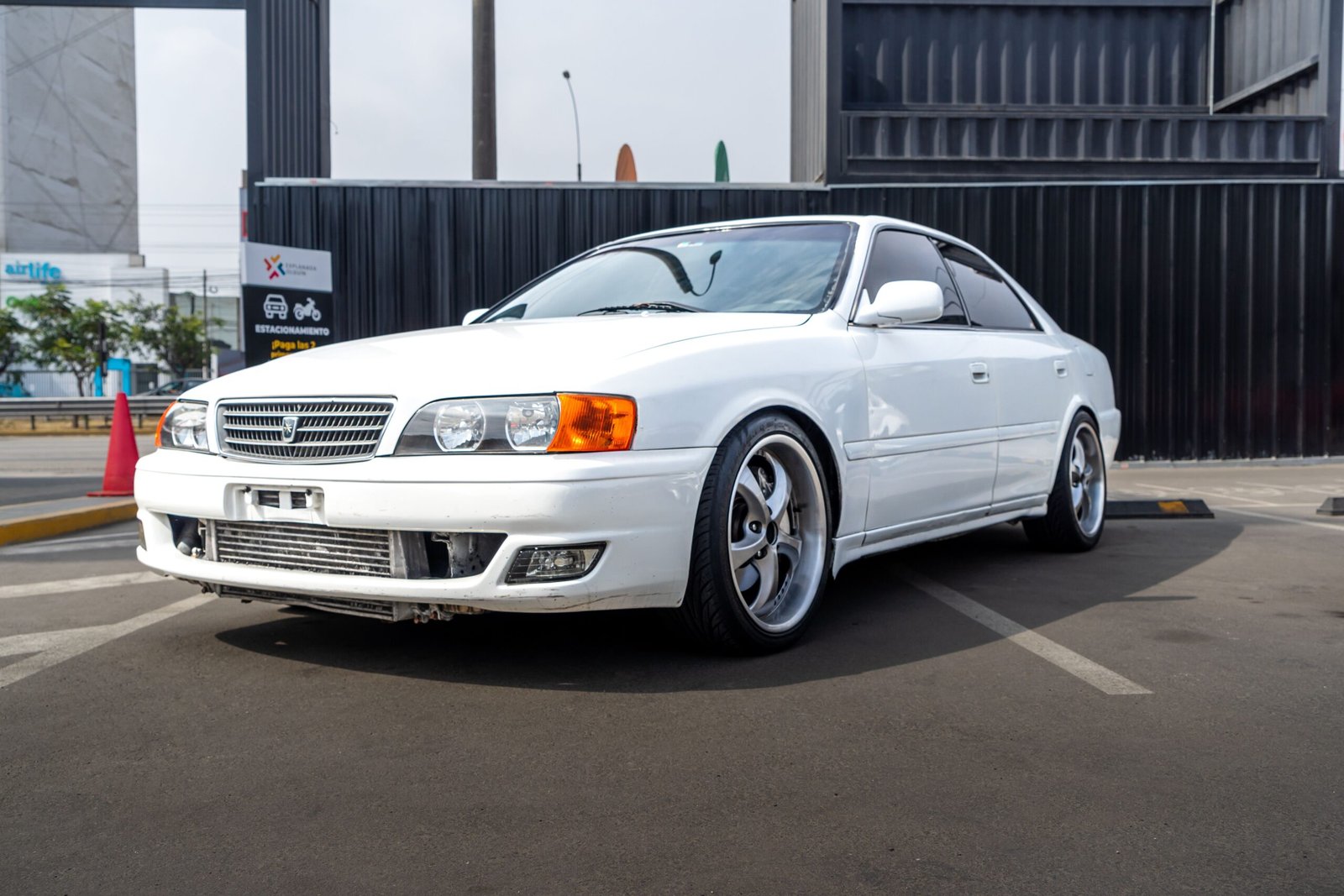
The Toyota Crown Signia is a premium hybrid SUV that combines elegant styling, comfortable interiors, modern technology, and impressive fuel efficiency. Designed for drivers who want the practicality of an SUV without sacrificing the smooth driving experience of a luxury vehicle, the Crown Signia offers a distinctive alternative to traditional midsize crossovers.
For the 2026 model year, Toyota continues to offer the Crown Signia with a sophisticated design, a standard hybrid powertrain, and electronic on-demand all-wheel drive (AWD). It is available in two main trims, XLE and Limited, giving buyers different levels of comfort, technology, and premium features.
Whether you are researching its fuel economy, interior space, safety features, performance, or overall value, this guide explains everything you need to know about the 2026 Toyota Crown Signia before making a purchasing decision.
What Is the Toyota Crown Signia?
The Toyota Crown Signia is a hybrid midsize crossover SUV developed for drivers who appreciate a combination of premium comfort, everyday practicality, and modern efficiency. It belongs to Toyota’s Crown family and features a more elevated driving position than a traditional sedan, along with additional cargo capacity.
One of its most recognizable characteristics is its sleek exterior design. The flowing roofline, sculpted body panels, distinctive front grille, and stylish LED lighting give the vehicle a sophisticated appearance. Unlike some conventional SUVs with bulky proportions, the Crown Signia has a more streamlined look.
The vehicle also focuses on comfort and convenience. Its cabin accommodates up to five passengers, while the flexible rear seating arrangement provides additional room for luggage, shopping bags, and travel equipment. This makes it suitable for families, professionals, and people who regularly travel long distances.
2026 Toyota Crown Signia Engine and Performance
The 2026 Toyota Crown Signia uses a 2.5-liter four-cylinder hybrid powertrain that combines a gasoline engine with electric motors. Together, the system produces approximately 240 net combined horsepower, delivering smooth acceleration and efficient everyday performance.
Toyota pairs this hybrid system with an electronically controlled continuously variable transmission (eCVT). The setup is designed to provide a comfortable driving experience, particularly in city traffic and during regular highway journeys.
Another important feature is Electronic On-Demand All-Wheel Drive. This system can send additional power to the rear wheels when extra traction is needed, helping the vehicle maintain stability on slippery roads and during challenging driving conditions.
Drivers can also select different driving modes to adjust the vehicle’s response. These include:
Normal Mode: Designed for balanced everyday driving.
Eco Mode: Prioritizes fuel efficiency and smoother acceleration.
Sport Mode: Provides a more responsive driving feel.
Overall, the Crown Signia is designed more for refined comfort and efficient transportation than aggressive sports performance.
Fuel Economy and Hybrid Efficiency
Fuel efficiency is one of the strongest reasons to consider the Toyota Crown Signia 2026. Its hybrid powertrain combines gasoline and electric power to reduce fuel consumption, particularly during certain low-speed driving conditions and stop-and-go traffic.
Toyota announced an estimated 38 MPG combined rating for the 2026 US model. Actual fuel economy can vary depending on driving habits, road conditions, weather, vehicle maintenance, and other factors.
The hybrid system automatically manages the relationship between the gasoline engine and electric motors. Drivers do not need to plug the vehicle into a charging station because the Crown Signia is a conventional hybrid electric vehicle (HEV) rather than a plug-in hybrid.
This makes it particularly convenient for people who want improved fuel efficiency without changing their everyday refueling routine. However, buyers should remember that real-world fuel consumption may differ from official estimates.
Interior Design, Comfort, and Passenger Space
The interior of the Toyota Crown Signia is designed to deliver a premium experience for both drivers and passengers. Toyota uses soft-touch materials, attractive finishes, and leather-trimmed seating to create a comfortable cabin that feels more upscale than many conventional family SUVs.
The front seats offer heating and ventilation, helping passengers remain comfortable in different weather conditions. The driver and front passenger also benefit from power-adjustable seating, while heated rear outboard seats add convenience for people travelling in the back.
Technology is another important part of the cabin. A 12.3-inch multimedia touchscreen provides access to entertainment, vehicle settings, and smartphone connectivity. Wireless Apple CarPlay and Android Auto compatibility make it easier to connect compatible smartphones without using a traditional cable.
Other useful interior features include:
12.3-inch digital instrument display for driving information.
Dual-zone automatic climate control.
Heated leather-trimmed steering wheel.
Wireless smartphone charging.
Multiple USB charging ports.
Available panoramic glass roof.
Available digital rearview mirror.
The Crown Signia also provides a practical rear seating arrangement. Its 60/40 split-folding rear seats allow owners to create additional storage space when carrying larger items.
Cargo Space and Everyday Practicality
Although the Toyota Crown Signia has an elegant exterior, it does not ignore everyday practicality. Its cargo area is designed to accommodate groceries, suitcases, sports equipment, and other belongings that people regularly carry.
When additional storage is required, the rear seats can fold flat to create a longer loading area. Toyota reports more than 68 cubic feet of cargo capacity with the rear seats folded, without the panoramic glass roof.
This flexibility makes the vehicle useful for weekend trips, family holidays, and everyday shopping. The available power liftgate also makes loading and unloading easier, especially when your hands are occupied.
The Crown Signia can also tow up to 2,700 pounds when properly equipped. This provides additional flexibility for owners who occasionally need to transport small trailers or recreational equipment.
However, buyers should always check the vehicle’s official towing requirements and ensure that the trailer and cargo remain within the manufacturer’s limits.
Toyota Crown Signia XLE vs. Limited: Which Trim Is Better?
The 2026 Toyota Crown Signia is offered in two main US trim levels: XLE and Limited. Both versions share the same basic hybrid powertrain and standard all-wheel-drive configuration, but the Limited provides additional premium equipment.
| Feature | XLE | Limited |
|---|---|---|
| Hybrid powertrain | Standard | Standard |
| All-wheel drive | Standard | Standard |
| 12.3-inch touchscreen | Standard | Standard |
| Leather-trimmed seats | Standard | Standard |
| Heated and ventilated front seats | Standard | Standard |
| 19-inch wheels | Standard | No |
| 21-inch wheels | No | Standard |
| Panoramic glass roof | No | Standard |
| JBL premium audio | No | Standard |
| Digital rearview mirror | No | Standard |
Toyota Crown Signia XLE: This trim is a sensible option for buyers who want hybrid efficiency, comfortable seating, modern technology, and all-wheel-drive capability without paying extra for every available luxury feature.
Toyota Crown Signia Limited: This version is better suited to people who prefer additional comfort and premium equipment. Its larger wheels, panoramic glass roof, JBL audio system, and additional technology features give it a more luxurious character.
The right choice depends on your budget and priorities. For everyday practicality, the XLE offers a strong package, while the Limited is attractive for buyers who value additional convenience and upscale features.
Safety Features and Driver Assistance Technology
Safety is another important part of the Toyota Crown Signia package. The 2026 model includes Toyota Safety Sense 3.0, a collection of driver-assistance technologies designed to help drivers recognize potential hazards and respond to certain road situations.
Some of its important safety features include:
Pre-Collision System with Pedestrian Detection: Designed to help detect certain potential frontal collisions.
Dynamic Radar Cruise Control: Helps maintain a selected following distance from vehicles ahead.
Lane Departure Alert: Provides warnings when the vehicle unintentionally moves out of its lane under qualifying conditions.
Lane Tracing Assist: Helps maintain the vehicle’s position within detected lane markings.
Road Sign Assist: Recognizes certain road signs and displays relevant information.
Automatic High Beams: Automatically adjusts high-beam operation in certain driving conditions.
Blind Spot Monitor: Helps identify vehicles in the driver’s blind spots.
Rear Cross-Traffic Alert: Provides warnings about approaching vehicles when reversing.
The Limited trim can also offer additional technologies through its Advanced Technology Package, including a panoramic view monitor and other parking and driving assistance systems.
These features provide additional support, but they do not replace attentive driving. Drivers must remain responsible for steering, braking, and observing their surroundings.
2026 Toyota Crown Signia Price and Overall Value
The price of the Toyota Crown Signia 2026 depends on the trim level, dealership, optional equipment, and location. Toyota’s announced US pricing started at approximately $44,390 for the XLE and $48,790 for the Limited, before applicable delivery and processing charges. Actual advertised prices may vary.
Toyota USA Newsroom+1
For buyers comparing premium hybrid SUVs, the Crown Signia offers several attractive advantages:
Standard hybrid powertrain.
Standard electronic on-demand AWD.
Premium leather-trimmed interior.
Modern infotainment and connectivity.
Impressive estimated fuel efficiency.
Flexible passenger and cargo space.
A comprehensive collection of safety technologies.
Before purchasing, it is worth comparing dealer offers, checking available warranties, and calculating the total ownership cost. Buyers outside the United States should also check local availability, import duties, taxes, and servicing arrangements because specifications and pricing can differ between markets.
Frequently Asked Questions About Toyota Crown Signia
1. Is the Toyota Crown Signia a hybrid SUV?
Yes. The Toyota Crown Signia is a conventional hybrid SUV that combines a 2.5-liter gasoline engine with electric motors. It does not require external charging.
2. How many passengers can the Toyota Crown Signia accommodate?
The vehicle provides seating for five passengers, with two front seats and a three-person rear seating area.
3. What is the horsepower of the 2026 Toyota Crown Signia?
The 2026 model produces approximately 240 combined net horsepower from its hybrid powertrain.
4. Does the Toyota Crown Signia come with all-wheel drive?
Yes. Electronic On-Demand All-Wheel Drive is standard on both the XLE and Limited trims in the US market.
5. What is the fuel economy of the Toyota Crown Signia?
Toyota announced an estimated 38 MPG combined for the 2026 US model. Actual mileage depends on driving conditions and habits.
6. Is the Toyota Crown Signia suitable for families?
Yes. Its five-passenger seating, comfortable cabin, advanced safety technologies, and flexible cargo area make it a practical option for many families.
7. Which Toyota Crown Signia trim is better, XLE or Limited?
The XLE is suitable for buyers who prioritize essential premium features and value, while the Limited is better for those who want additional luxury equipment, larger wheels, and a panoramic glass roof.
Conclusion
The 2026 Toyota Crown Signia is an appealing choice for drivers who want a combination of premium styling, hybrid efficiency, modern technology, and everyday SUV practicality. Its 240-horsepower hybrid system, standard all-wheel drive, comfortable leather-trimmed interior, and advanced safety features make it a competitive option in the premium crossover category.
The XLE provides an attractive balance of comfort and value, while the Limited adds extra luxury and convenience. Although its pricing and availability may vary by market, the Crown Signia deserves consideration from anyone comparing modern hybrid SUVs.
Ultimately, the Toyota Crown Signia stands out because it does not focus on just one quality. Instead, it brings together efficiency, comfort, technology, and versatility in one sophisticated package.



 Lifestyle4 months ago
Ibrahim Chappelle Biography: Family, Background, and Life Story
- Entertainment4 months ago
Audio Renderer Error Ryujinx: Causes, Fixes, and Complete Troubleshooting Guide
- Lifestyle4 months ago
Drew Ann Reid: Life Beyond the Spotlight
- Blogs4 months ago
28 Days From Today: Complete Date Calculation Guide
- Tech4 months ago
Network Node Explained: Functions, Types, and Uses
- Business4 months ago
Michigan Business Entity Search for LLCs, Corporations, and Nonprofits
- Sports4 months ago
Virat Kohli: The Complete Biography of India’s Cricket Legend
- Tech4 months ago
Submarine Technology: How Modern Submarines Work