
Business
WWW eRoster: The Complete Guide to Online Employee Rostering, Scheduling, Login, Features, and Benefits


The term WWW eRoster is widely associated with web-based employee rostering and workforce scheduling systems that help organizations efficiently manage staff shifts, attendance, leave requests, and workforce planning. Businesses across industries—including healthcare, retail, hospitality, education, manufacturing, and government—use eRoster platforms to streamline scheduling while reducing administrative work. A modern WWW eRoster solution allows managers to create schedules online, employees to view their shifts from anywhere, and organizations to improve workforce productivity through centralized scheduling tools.
In this comprehensive guide, we explore everything you need to know about WWW eRoster, including its meaning, features, benefits, login process, industries that use it, best practices, common challenges, and frequently asked questions. Whether you are an employee using an online roster portal or a business considering an eRoster solution, this article provides valuable insights into web-based workforce management.
SEO-Friendly Title Ideas with Keywords
WWW eRoster: Complete Guide to Online Employee Scheduling
Primary Keywords
- WWW eRoster
- Online employee scheduling
- eRoster system
- Workforce scheduling software
Keyword Explanation
These keywords target users searching for information about online scheduling systems and workforce management solutions.
What Is WWW eRoster? Features, Login, and Benefits Explained
Primary Keywords
- What is WWW eRoster
- WWW eRoster login
- eRoster features
- Employee roster management
Keyword Explanation
These keywords focus on informational searches related to eRoster functionality, user access, and employee scheduling.
WWW eRoster Software: Everything You Need to Know
Primary Keywords
- WWW eRoster software
- Online roster management
- Shift scheduling
- Employee management system
Keyword Explanation
These keywords help attract readers looking for software solutions for managing staff schedules.
Best Practices for Using WWW eRoster Systems
Primary Keywords
- WWW eRoster best practices
- Staff scheduling
- Roster management
- Employee shift planning
Keyword Explanation
These keywords target businesses seeking guidance on maximizing the effectiveness of eRoster platforms.
What Is WWW eRoster?
A WWW eRoster is a web-based employee scheduling system that enables organizations to create, update, and manage staff work schedules online. Instead of relying on paper schedules or spreadsheets, businesses use cloud-based roster software to assign shifts, monitor staffing levels, and communicate schedule changes instantly.
Employees can typically log into the system through a secure website using their credentials to view upcoming shifts, request leave, swap shifts when permitted, update availability, and receive notifications about schedule changes. Managers benefit from centralized workforce planning that minimizes scheduling conflicts and improves operational efficiency.
How WWW eRoster Works
A web-based eRoster system automates many scheduling tasks that previously required manual effort. Managers begin by entering staffing requirements, employee availability, labor policies, and organizational rules into the system. The software then helps generate schedules that align staffing needs with employee availability while reducing conflicts and ensuring compliance with workplace policies.
Employees access their schedules through a secure web portal using computers, tablets, or smartphones. Many systems also provide email or mobile notifications whenever shifts are assigned, modified, or approved.
Key Features of WWW eRoster
Online Shift Scheduling
Managers can create daily, weekly, or monthly schedules through an intuitive online dashboard, reducing the time required for manual scheduling.
Employee Self-Service Portal
Employees can log in to view schedules, request leave, update availability, and sometimes exchange shifts without requiring direct manager intervention.
Leave Management
Integrated leave management allows staff to submit vacation or absence requests while managers review and approve them within the same platform.
Attendance Tracking
Many eRoster solutions integrate attendance records with scheduling data, helping organizations monitor punctuality and workforce utilization.
Real-Time Updates
Changes made by managers appear immediately, ensuring employees always have access to the latest schedule information.
Notifications and Alerts
Automatic reminders reduce missed shifts by informing employees about schedule updates, overtime opportunities, or approved leave requests.
Reporting and Analytics
Organizations can generate reports that analyze staffing trends, overtime costs, employee hours, and workforce productivity.
Industries That Use WWW eRoster
Healthcare
Hospitals and clinics rely heavily on eRoster systems to schedule nurses, physicians, technicians, and support staff while maintaining appropriate staffing levels around the clock.
Retail
Retail businesses use eRoster platforms to align employee schedules with customer demand, seasonal trends, and store operating hours.
Hospitality
Hotels, restaurants, and entertainment venues benefit from flexible scheduling tools that adapt to changing business needs.
Manufacturing
Manufacturers use workforce scheduling software to organize production shifts, reduce downtime, and maintain operational efficiency.
Education
Schools and universities use roster systems to manage faculty schedules, administrative staff, and support personnel.
Government and Public Services
Government agencies often use secure eRoster systems to coordinate staffing for public services, emergency response, and administrative departments.
Benefits of Using WWW eRoster
Organizations implementing a web-based eRoster system enjoy numerous operational advantages. Automated scheduling significantly reduces administrative workload while improving accuracy. Managers spend less time creating schedules and more time focusing on strategic workforce planning.
Employees appreciate the convenience of viewing schedules online, submitting leave requests digitally, and receiving immediate updates. This increased transparency improves communication and employee satisfaction.
Businesses also benefit from better compliance with labor regulations, reduced overtime costs, improved staffing efficiency, enhanced workforce visibility, and detailed reporting capabilities that support data-driven decision-making.
How to Access a WWW eRoster Login Portal
Most organizations provide employees with a secure web address for accessing the eRoster system. After navigating to the login page, users typically enter their assigned username or employee ID along with a password. Some organizations require multi-factor authentication to enhance security.
Once logged in, employees can access personal schedules, leave balances, notifications, availability settings, and other workforce management features based on their user permissions.
Best Practices for Using WWW eRoster
Organizations achieve the best results when they maintain accurate employee information, update availability regularly, communicate scheduling policies clearly, review staffing requirements frequently, and encourage employees to check schedules routinely.
Managers should also monitor overtime, ensure fair shift distribution, approve leave requests promptly, and analyze workforce reports to identify scheduling improvements.
Common Challenges and Solutions
Although eRoster systems simplify scheduling, organizations may occasionally encounter challenges such as inaccurate employee availability, delayed schedule updates, forgotten passwords, or insufficient training.
These issues can usually be resolved through regular system maintenance, employee education, clear communication, strong administrative oversight, and secure authentication practices.
Future of WWW eRoster Systems
Modern workforce management continues to evolve through artificial intelligence, predictive scheduling, cloud computing, mobile applications, and advanced analytics. Future eRoster systems are expected to automate workforce forecasting, recommend optimized staffing levels, improve compliance monitoring, and integrate seamlessly with payroll, HR, and enterprise resource planning systems.
As remote work and flexible scheduling become increasingly common, cloud-based eRoster platforms will continue to play a central role in workforce management across industries.
Why Businesses Choose WWW eRoster
Organizations adopt web-based roster solutions because they improve scheduling efficiency, reduce administrative costs, increase employee satisfaction, enhance communication, strengthen compliance, and provide valuable workforce insights. Businesses of every size can benefit from centralized scheduling that supports both operational performance and employee engagement.
Conclusion
A WWW eRoster platform is an essential workforce management solution that simplifies employee scheduling, improves communication, and enhances organizational efficiency. By replacing manual scheduling processes with secure web-based technology, businesses can optimize staffing, reduce errors, support employee self-service, and make more informed workforce decisions. As workforce management technology continues to advance, eRoster systems will remain a critical tool for organizations seeking flexible, efficient, and data-driven scheduling solutions.

The growing popularity of cryptocurrency has made digital assets more accessible to people around the world. Many users are searching for a reliable crypto better download option to start managing cryptocurrencies, tracking market prices, learning about blockchain technology, or accessing digital asset services. However, downloading a crypto application requires careful attention because the security of your funds and personal information depends on choosing the right platform and following safe installation practices. A trustworthy crypto app can help beginners and experienced users explore the crypto world with useful features such as wallet management, price tracking, transaction monitoring, and educational resources.
This complete crypto app download guide explains how to find, download, install, and use a cryptocurrency application safely. Whether you are new to digital currencies or looking for a better way to manage your crypto activities, understanding the download process can help you avoid fake applications, scams, and security risks while making your crypto experience smoother and more reliable.
What Is Crypto Better Download?
Crypto better download refers to the process of finding and installing a cryptocurrency-related application or platform that provides users with improved tools for managing digital assets. A crypto app may offer features such as cryptocurrency wallets, portfolio tracking, blockchain information, trading tools, and security options designed to make digital currency management easier.
When choosing a crypto application, users should focus on important factors such as security, reputation, available features, ease of use, and compatibility with their device. A good crypto download experience is not only about installing an application but also about selecting a platform that protects user data and provides reliable services.
Why Choose a Crypto App Download?
A crypto app download allows users to access cryptocurrency services directly from their smartphones, tablets, or computers. Instead of relying only on web platforms, users can manage their crypto activities anytime and anywhere through a dedicated application.
Modern crypto applications provide convenience by offering real-time updates, account management tools, transaction history, market information, and security features. For beginners, a well-designed crypto app can make learning about cryptocurrency easier because many platforms include simple dashboards and educational materials.
How to Find a Safe Crypto Better Download Option
Finding a secure crypto better download option is one of the most important steps before installing any cryptocurrency application. The internet contains many fake apps that imitate popular crypto platforms and attempt to steal passwords, private keys, or financial information.
Before downloading a crypto app, users should verify the official source, check developer information, read reviews, and confirm that the application has strong security features. Downloading applications only from trusted sources such as official websites or recognized app stores can reduce the risk of installing harmful software.
Users should also avoid clicking unknown download links shared through emails, messages, or suspicious websites. Cybercriminals often create fake promotions that look legitimate but lead to dangerous downloads.
Steps for Crypto App Download and Installation
Step 1: Choose a Reliable Crypto Application
The first step in a successful crypto app download is selecting an application that meets your needs. Different crypto apps provide different services, including wallets, trading, investment tracking, and educational tools. Research the application carefully and understand what features it provides before installation.
Step 2: Visit the Official Download Source
Always download cryptocurrency applications from official sources. Check the developer’s website or verified application store listing to ensure you are downloading the authentic version. Avoid unofficial websites that offer modified versions or unknown files.
Step 3: Install the Crypto App
After confirming that the application is legitimate, download and install it on your device. Follow the installation instructions carefully and review the permissions requested by the app. A trustworthy application should only request permissions that are necessary for its functions.
Step 4: Create and Secure Your Account
After installation, users usually need to create an account or set up a crypto wallet. Use strong passwords and enable additional security options such as two-factor authentication whenever available. Protecting account information is essential because cryptocurrency transactions are often irreversible.
Important Features to Look for in a Crypto App
A quality crypto app download should provide useful features that improve security and usability. Some important features include:
Secure Crypto Wallet
A crypto wallet allows users to store, send, and receive digital currencies. Strong wallet security, backup options, and encryption features are important for protecting assets.
Real-Time Market Tracking
Many crypto applications provide live cryptocurrency prices, charts, and market updates. These tools help users monitor changes in digital asset values.
User-Friendly Interface
A simple and clear interface helps beginners understand cryptocurrency features without unnecessary complexity. Easy navigation makes managing accounts and transactions more convenient.
Strong Security Protection
Security features such as encryption, login protection, device verification, and account alerts help protect users from unauthorized access.
Benefits of Using a Crypto Download Application
Using a cryptocurrency application offers several advantages for digital asset users. A mobile crypto platform provides quick access to account information, allows users to monitor market activity, and makes managing transactions more convenient.
Another major benefit is accessibility. Users can check their portfolios, review transaction records, and learn about cryptocurrency trends without needing advanced technical knowledge. Many apps are designed to support beginners while still offering advanced features for experienced users.
Common Mistakes to Avoid During Crypto App Download
Many users make mistakes when downloading cryptocurrency applications. One common mistake is choosing an app based only on advertisements or popularity without checking its authenticity. Another mistake is ignoring security settings after installation.
Users should avoid sharing private keys, recovery phrases, or passwords with anyone. Legitimate crypto services will never request sensitive wallet information through messages or unofficial channels.
Keeping the application updated is also important because updates often include security improvements and performance enhancements.
Crypto Better Download Safety Tips
To improve safety during the crypto better download process, follow these recommendations:
- Download apps only from verified sources.
- Check developer details before installation.
- Use strong and unique passwords.
- Enable two-factor authentication.
- Keep your device security software updated.
- Never share wallet recovery phrases.
- Be careful with suspicious links and offers.
Following these steps can help users create a safer cryptocurrency experience and reduce exposure to common online threats.
Frequently Asked Questions About Crypto Better Download
What is the best way to download a crypto app?
The safest way to download a crypto app is through the official website of the service provider or a verified application store. Always confirm that the application is genuine before installing it.
Is crypto app download free?
Many cryptocurrency applications are available as free downloads. However, some platforms may charge transaction fees or offer optional premium services.
How can I know if a crypto app is safe?
A safe crypto app usually has a verified developer, positive user feedback, strong security features, and a trusted reputation. Avoid applications from unknown sources.
Can beginners use a crypto app?
Yes, many crypto applications are designed for beginners. They often include simple interfaces, educational tools, and step-by-step guides to help new users understand cryptocurrency.
What should I do after downloading a crypto app?
After downloading a crypto app, create your account securely, enable security features, understand the platform’s functions, and learn how to protect your digital assets.
Conclusion: Choosing the Right Crypto Better Download Method
A reliable crypto better download process is the foundation for safely entering the world of cryptocurrency. Choosing a trusted application, downloading it from an official source, and following proper security practices can help users manage digital assets with greater confidence.
Cryptocurrency technology continues to develop, and secure applications make it easier for people to explore digital finance. By understanding how crypto app downloads work and avoiding common risks, users can enjoy a safer and more convenient experience while using cryptocurrency tools.

A Michigan Business Entity Search is one of the most valuable resources for entrepreneurs, investors, legal professionals, financial institutions, and consumers who need accurate information about companies registered in the state of Michigan. Whether you are planning to launch a new business, verify the legal status of an existing company, research a potential business partner, or determine whether a business name is available, the Michigan Business Entity Search provides access to essential public records that support informed decision-making.
Maintained through the state’s official business registration system, this searchable database allows users to locate information about limited liability companies (LLCs), corporations, partnerships, nonprofits, and other registered entities. By understanding how the search system works and what information it provides, individuals and organizations can reduce business risk, improve regulatory compliance, and make smarter commercial decisions. This comprehensive guide explains everything you need to know about the Michigan Business Entity Search, including its purpose, benefits, search methods, available information, best practices, and frequently asked questions.
What Is a Michigan Business Entity Search?
A Michigan Business Entity Search is an online public database that allows users to search for businesses registered in Michigan. Users can search using a business name, identification number, or other available criteria to access information regarding a company’s legal registration, organizational status, filing history, and entity type.
The search system promotes transparency by making important business registration information publicly accessible while helping businesses and consumers verify organizational legitimacy.
Why the Michigan Business Entity Search Is Important
Verifying business information is a critical step before signing contracts, investing capital, extending business credit, or forming strategic partnerships. Entrepreneurs frequently use the Michigan Business Entity Search to determine whether a desired business name has already been registered, reducing the likelihood of application delays or naming conflicts.
Consumers also benefit by confirming that companies are officially registered before making purchases or entering service agreements, while financial institutions often review business registration records during lending and underwriting processes.
Who Uses the Michigan Business Entity Search?
The Michigan Business Entity Search serves entrepreneurs establishing new businesses, attorneys conducting legal research, accountants preparing financial documents, lenders evaluating loan applications, suppliers verifying commercial customers, investors performing due diligence, journalists researching organizations, and consumers seeking confidence before doing business with unfamiliar companies.
Because the information is publicly available, the database supports greater accountability and transparency throughout Michigan’s business community.
Information Available Through the Search
Business entity records typically include the company’s legal name, identification number, organizational status, entity type, formation date, jurisdiction, filing history, and other publicly available registration information. Depending on the entity and applicable regulations, users may also find information regarding annual filings or registered office details.
Reviewing these records helps confirm whether a business exists, whether it remains active, and whether it has maintained required filings.
How to Perform a Michigan Business Entity Search
Using the Michigan Business Entity Search begins by accessing the state’s official business entity database. Users may search by business name or identification number and review matching entities displayed in the search results.
After selecting the correct business, carefully review available information including organizational status, registration date, entity type, and filing history. Comparing multiple identifiers helps ensure the correct business record is selected when similar company names exist.
Checking Business Name Availability
Selecting a unique business name is one of the first steps in forming a new company. Entrepreneurs often perform a Michigan Business Entity Search to determine whether a proposed name has already been registered by another organization.
Although business entity searches provide valuable guidance, entrepreneurs should also consider trademark research and applicable naming requirements before completing registration.
Understanding Business Status
Business records often identify whether an organization is active, dissolved, withdrawn, inactive, or subject to another legal status. Understanding these classifications helps business owners, investors, lenders, and consumers determine whether a company is authorized to conduct business and whether additional due diligence may be appropriate.
Verifying business status before entering contracts or financial agreements helps reduce legal and operational risks.
Benefits for Entrepreneurs
Entrepreneurs benefit from Michigan Business Entity Searches by confirming business name availability, researching competitors, evaluating potential partners, verifying suppliers, and improving regulatory compliance. Access to accurate business records supports stronger planning while reducing administrative challenges during business formation.
Regular verification also strengthens confidence when expanding operations or establishing commercial relationships.
Best Practices for Business Verification
Although business entity databases provide valuable information, comprehensive business verification should also include reviewing professional licenses, regulatory registrations, industry certifications, business reputation, customer feedback, intellectual property records, and other relevant public information.
Combining multiple sources provides a more complete understanding of an organization’s operational standing and credibility.
Future of Business Entity Searches
Government agencies continue modernizing digital business registration services through improved search functionality, enhanced online filing systems, faster record updates, and expanded access to historical information. These improvements increase transparency while simplifying business verification for entrepreneurs and consumers alike.
As digital government services continue advancing, business entity searches will become even more efficient and accessible.
Conclusion
The Michigan Business Entity Search is an essential resource for entrepreneurs, investors, attorneys, financial institutions, and consumers seeking reliable information about registered businesses. Whether verifying company status, checking business name availability, conducting due diligence, or researching competitors, this public database provides valuable information that supports informed business decisions.
By understanding how to use the Michigan Business Entity Search effectively and combining official business records with broader research practices, individuals and organizations can reduce risk, strengthen compliance, and build more successful commercial relationships. In today’s competitive business environment, verifying company information before making important decisions is a simple yet powerful step toward long-term success.
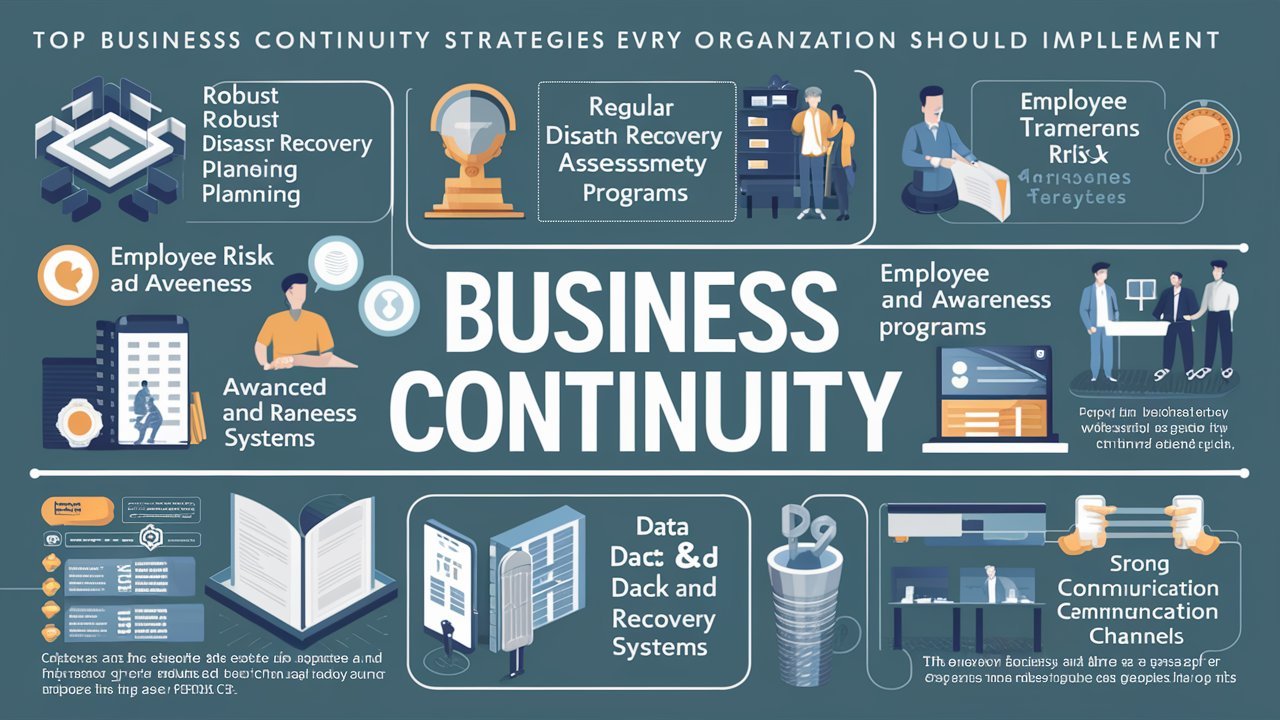
Business disruptions can occur without warning, affecting organizations of every size and industry. Natural disasters, cyberattacks, supply chain interruptions, equipment failures, economic uncertainty, pandemics, and human error all have the potential to interrupt operations, reduce productivity, and damage customer trust. Organizations that prepare for these challenges through effective Business Continuity Strategies are far more likely to recover quickly, minimize financial losses, and maintain essential services during periods of uncertainty.
Business Continuity Strategies provide organizations with structured plans, policies, technologies, and procedures that ensure critical operations continue even when unexpected events occur. Rather than reacting to crises after they happen, businesses proactively identify risks, establish response plans, allocate resources, and prepare employees to respond effectively. This comprehensive guide explores the principles of business continuity, the essential components of a successful continuity strategy, implementation best practices, common challenges, emerging technologies, and the long-term benefits of organizational resilience.
What Are Business Continuity Strategies?
Business Continuity Strategies are organized approaches that enable businesses to continue delivering critical products and services during and after disruptive events. These strategies focus on maintaining essential business functions, protecting employees, safeguarding assets, preserving customer relationships, and restoring operations as quickly as possible.
Unlike disaster recovery, which primarily concentrates on restoring technology and IT systems after an incident, business continuity encompasses the entire organization. It includes operational processes, communication plans, supply chains, facilities, workforce management, customer support, regulatory compliance, and leadership decision-making.
Why Business Continuity Strategies Matter
Modern organizations operate in increasingly complex environments where disruptions can originate from many different sources. Cybersecurity incidents, severe weather events, geopolitical instability, infrastructure failures, labor shortages, and public health emergencies all demonstrate the importance of preparation.
Organizations with strong continuity strategies reduce downtime, maintain customer confidence, protect revenue, preserve employee safety, and improve their ability to respond effectively during crises. Preparation also strengthens investor confidence and supports long-term organizational sustainability.
Key Objectives of Business Continuity Strategies
The primary goal of business continuity is to minimize the impact of disruptions while maintaining essential operations. Organizations seek to protect human life, preserve critical business functions, secure sensitive information, maintain regulatory compliance, safeguard financial stability, and restore full operational capability as efficiently as possible.
Effective continuity planning also promotes organizational flexibility by preparing businesses to adapt quickly to changing conditions rather than relying solely on reactive decision-making.
Risk Assessment and Business Impact Analysis
Every successful continuity strategy begins with understanding organizational risks. Risk assessments identify threats that could interrupt operations, while Business Impact Analysis evaluates the consequences of those disruptions on critical functions, financial performance, customer service, and regulatory obligations.
By identifying high-priority processes and evaluating potential vulnerabilities, organizations can allocate resources more effectively and develop targeted response strategies that address their greatest operational risks.
Developing a Business Continuity Plan
A Business Continuity Plan documents the procedures, responsibilities, communication methods, recovery priorities, and operational steps required during a disruption. The plan should clearly define leadership responsibilities, emergency contacts, resource requirements, technology recovery procedures, alternate work arrangements, supplier coordination, and customer communication strategies.
Comprehensive planning reduces uncertainty and enables employees to respond confidently during emergencies while maintaining essential business operations.
Disaster Recovery and Technology Resilience
Technology plays a central role in modern business continuity. Disaster recovery strategies focus on restoring critical IT infrastructure, applications, databases, and communication systems after disruptive events. Organizations increasingly rely on cloud computing, redundant data centers, automated backups, cybersecurity protections, and virtual collaboration platforms to strengthen technology resilience.
Integrating disaster recovery into broader continuity planning ensures that both business operations and supporting technology recover efficiently.
Supply Chain Continuity
Supply chain disruptions can significantly affect production, inventory, customer satisfaction, and financial performance. Effective continuity strategies include supplier diversification, inventory planning, logistics alternatives, contingency sourcing, and close collaboration with strategic partners.
Organizations that proactively strengthen supply chain resilience are better equipped to respond to transportation delays, raw material shortages, geopolitical instability, and global market disruptions.
Crisis Communication
Clear communication is one of the most important elements of business continuity. Employees, customers, suppliers, regulators, investors, and community stakeholders all require accurate information during emergencies.
Organizations should establish communication protocols that specify spokespersons, notification procedures, communication channels, escalation processes, and approval workflows to ensure consistent messaging throughout a crisis.
Employee Training and Testing
Business continuity plans are only effective if employees understand their roles and responsibilities. Regular training, tabletop exercises, emergency simulations, evacuation drills, and recovery testing allow organizations to identify weaknesses before actual emergencies occur.
Continuous testing also helps leadership evaluate response effectiveness and update plans as business operations evolve.
Benefits of Business Continuity Strategies
Organizations that implement effective continuity strategies often experience reduced operational downtime, improved customer trust, stronger regulatory compliance, enhanced employee confidence, better financial stability, and faster recovery following disruptions. Prepared organizations also gain competitive advantages because they can continue serving customers while competitors struggle to restore operations.
Business continuity strengthens organizational resilience by creating structured processes that support consistent decision-making under challenging conditions.
Common Challenges
Developing comprehensive continuity strategies requires leadership commitment, cross-functional collaboration, financial investment, and continuous maintenance. Organizations may encounter challenges including limited resources, outdated documentation, changing regulatory requirements, employee turnover, evolving cybersecurity threats, and rapidly changing business environments.
Addressing these challenges requires ongoing executive support, periodic reviews, continuous improvement, and regular testing of continuity procedures.
Future Trends in Business Continuity
Artificial intelligence, predictive analytics, cloud computing, automation, cybersecurity advancements, digital twins, real-time monitoring, and advanced risk intelligence are transforming business continuity management. Organizations increasingly use data-driven insights to anticipate disruptions, automate response activities, improve decision-making, and strengthen operational resilience.
As businesses become more digitally connected, continuity planning will increasingly integrate technology, sustainability, cybersecurity, and enterprise risk management into unified resilience strategies.
Conclusion
Business Continuity Strategies are essential for organizations that want to remain resilient in an unpredictable world. By proactively identifying risks, developing comprehensive continuity plans, strengthening technology infrastructure, preparing employees, improving supply chain resilience, and maintaining effective communication, businesses can significantly reduce the impact of unexpected disruptions.
Whether facing cyber threats, natural disasters, economic uncertainty, or operational failures, organizations that invest in continuity planning are better positioned to protect employees, serve customers, maintain financial stability, and recover quickly. In today’s rapidly changing business environment, business continuity is no longer optional—it is a fundamental component of sustainable success and long-term organizational resilience.


 Entertainment3 months ago
Audio Renderer Error Ryujinx: Causes, Fixes, and Complete Troubleshooting Guide
- Blogs3 months ago
28 Days From Today: Complete Date Calculation Guide
- Lifestyle2 months ago
Drew Ann Reid: Life Beyond the Spotlight
- Lifestyle2 months ago
Ibrahim Chappelle Biography: Family, Background, and Life Story
- Tech3 months ago
Network Node Explained: Functions, Types, and Uses
- Business2 months ago
Michigan Business Entity Search for LLCs, Corporations, and Nonprofits
- Tech2 months ago
Submarine Technology: How Modern Submarines Work
- Blogs2 months ago
Aleksandra Plus: Everything You Need to Know in 2026