Connect with us

Blogs

Snow Chains Automatic: The Complete Guide to Automatic Tire Chains

Published

on

Snow Chains Automatic

Driving in snow and icy conditions can quickly become difficult, particularly when roads are covered with packed snow, ice, or slush that reduces the amount of traction available between the tires and the road. Traditional tire chains have long been used to improve grip in winter conditions, but they can require drivers to stop, get out of the vehicle, and manually install the chains when conditions deteriorate. This is where snow chains automatic systems can offer a different approach. Automatic snow chains, also known as automatic tire chains or on-demand tire chains, are designed to provide additional traction without requiring the driver to manually wrap conventional chains around the tires every time snow appears. Depending on the system, components mounted near the drive wheels can deploy traction elements into the tire’s path, allowing the tires to gain additional grip when needed. For commercial vehicles, buses, emergency vehicles, and other vehicles that regularly encounter changing road conditions, this technology can be particularly useful because it can make the transition from normal driving to enhanced traction more convenient.

What Are Automatic Snow Chains?

Automatic snow chains are specialized traction systems designed to improve vehicle grip on snow- and ice-covered roads without relying on the same manual installation process used by conventional tire chains. Instead of placing a complete chain around the tire by hand, an automatic system is generally mounted near the vehicle’s driven wheels and uses a mechanical mechanism to position traction elements against the tire as the wheel rotates. The exact design varies considerably between manufacturers and vehicle applications, so automatic snow chains should not be viewed as a single standardized product. Some systems use rotating discs or chain segments that contact the tire tread, while others use different mechanical arrangements to introduce traction material beneath the tire. The central idea, however, remains the same: provide additional traction when winter road conditions make ordinary tires less effective, while allowing the driver to activate or disengage the system from inside the vehicle on systems designed for that purpose.

How Do Automatic Snow Chains Work?

The basic operating principle behind automatic snow chains is relatively straightforward, although the mechanical design can be sophisticated. A traction mechanism is installed close to the drive wheels, and when the system is activated, the mechanism moves chain elements or other traction components into a position where they make contact with the rotating tire. As the tire turns, these traction elements are repeatedly placed between the tire and the slippery road surface. This can increase the available grip and help reduce wheel spin during acceleration. When the vehicle reaches a section of road where additional traction is no longer needed, the system can generally be disengaged, depending on its design. One important distinction is that automatic snow chains are not necessarily a replacement for every type of conventional tire chain. Their effectiveness, permitted speed, installation requirements, and suitability for particular vehicles depend on the specific system and the manufacturer’s instructions, so drivers should always check the documentation for the exact product rather than assuming that every automatic chain system operates in the same way.

Why Choose Automatic Snow Chains?

One of the biggest advantages of automatic snow chains is convenience. With conventional tire chains, a driver may need to pull over in cold, wet, and potentially dangerous conditions before manually fitting chains to the tires. Automatic systems are designed to reduce or eliminate that inconvenience by allowing traction assistance to be engaged without the same roadside installation procedure. This can be especially valuable for vehicles that travel frequently through areas where road conditions change rapidly. A truck may drive on a clear road for several miles and then encounter a steep, snowy section where extra traction becomes necessary. Rather than stopping to install conventional chains, an automatic system may allow the driver to activate the traction mechanism and continue with improved grip. This convenience is one reason automatic systems have attracted attention in commercial transportation and other applications where maintaining mobility during winter weather is important.

Automatic Snow Chains vs Traditional Snow Chains

The difference between automatic snow chains and traditional tire chains is primarily the way traction is deployed. Traditional snow chains physically surround the tire and create a chain pattern across the tread and sometimes around the sidewalls. They can provide substantial traction when correctly fitted, but installation can be time-consuming and uncomfortable in severe weather. Automatic systems generally keep their traction mechanism mounted to the vehicle and deploy traction elements when needed. This makes them more convenient for repeated transitions between normal and slippery roads. However, convenience does not automatically mean that an automatic system is better for every vehicle or every road condition. Traditional chains may still be required or preferred for certain severe conditions, vehicles, road authorities, or applications. Drivers should therefore consider the vehicle’s clearance, drivetrain, tire size, expected weather, legal requirements, and manufacturer’s recommendations before selecting an automatic or conventional chain system.

Are Automatic Snow Chains Suitable for Every Vehicle?

No. Vehicle compatibility is one of the most important factors when considering automatic snow chains. The available space around the drive axle, suspension components, wheels, brakes, tire dimensions, drivetrain configuration, and vehicle design can all influence whether a particular automatic traction system can be installed safely. A system intended for a commercial truck should not automatically be assumed to work on a passenger car, SUV, van, or another type of vehicle. Even vehicles with similar tire sizes may have substantially different mechanical clearances and mounting requirements. Before purchasing an automatic snow chain system, drivers should verify the exact vehicle model, tire size, drive axle, and installation requirements specified by the manufacturer. Professional installation may also be appropriate because an incorrectly positioned mechanical traction device could interfere with moving vehicle components or fail to operate correctly when needed.

Benefits of Automatic Snow Chains

Automatic snow chains offer several potential advantages for drivers who regularly encounter winter conditions. Convenience is perhaps the most obvious benefit because the system is designed to provide additional traction without the same manual fitting process associated with conventional chains. Rapid deployment can also be useful when road conditions change unexpectedly, allowing drivers to respond to slippery conditions more efficiently. Another advantage is that automatic systems can be particularly practical for commercial fleets where vehicles may encounter snow and ice repeatedly during a season. Instead of requiring drivers to carry out repeated chain installations, a properly selected system can provide an on-demand traction solution. Automatic systems may also reduce the amount of time a vehicle spends stopped on the roadside, which can be valuable in poor visibility, freezing temperatures, or heavy snowfall. Nevertheless, these advantages should always be considered alongside product limitations, maintenance requirements, operating restrictions, and local chain regulations.

Automatic Snow Chains and Winter Driving Safety

Automatic snow chains can improve traction, but they should never be treated as a guarantee of safe driving on every winter road. Snow, ice, freezing rain, and packed slush can dramatically reduce available grip even when a vehicle has a traction system installed. Drivers should still reduce speed, increase following distance, make steering and braking inputs smoothly, and pay close attention to changing road conditions. It is also important to understand that traction and braking are related but not identical concepts. A traction device may help a drive wheel transfer power to the road, but it cannot eliminate the physical limitations created by ice or other slippery surfaces. Drivers should therefore follow the speed restrictions and operating instructions provided by the automatic chain manufacturer and comply with any applicable road regulations. Winter traction equipment works best as one part of a broader winter-driving strategy that includes appropriate tires, sensible speeds, vehicle maintenance, and careful driving.

How to Choose the Right Automatic Snow Chains

Choosing the right automatic snow chains requires more than searching for the cheapest available option. Start by identifying the exact vehicle and tire specifications, then determine whether the system is designed for the vehicle’s drive axle and available mounting space. Consider how frequently the vehicle encounters snow and ice, whether it is used for commercial or personal transportation, and whether the system needs to be activated frequently during a typical winter trip. It is also useful to examine the system’s installation requirements, maintenance schedule, replacement parts, operating limitations, and manufacturer support. Buyers should pay close attention to whether the system is approved or suitable for the intended vehicle and operating environment. A high-quality automatic traction system should be evaluated not only on its initial price but also on durability, ease of maintenance, reliability, installation quality, and long-term operating costs.

Installation and Maintenance of Automatic Snow Chains

Although automatic snow chain systems are designed to simplify traction deployment, the hardware itself still needs to be installed and maintained correctly. Installation can involve mounting brackets, mechanical components, electrical or pneumatic controls, and positioning relative to the drive tires, depending on the particular design. Because the system operates close to rotating wheels and other moving components, correct installation is essential. After installation, regular inspection can help identify worn chain components, damaged brackets, loose fasteners, corrosion, or other problems before they become more serious. Drivers should also inspect the system after operating in severe winter conditions because snow, ice, road salt, and debris can affect mechanical components. Following the manufacturer’s maintenance schedule is important because automatic traction systems are mechanical equipment rather than maintenance-free accessories.

Do Automatic Snow Chains Replace Winter Tires?

Automatic snow chains and winter tires serve different purposes, so one should not automatically be considered a complete replacement for the other. Winter tires are specifically designed with tread compounds and patterns intended to perform more effectively in cold conditions, while traction chains or automatic traction systems provide additional grip when conditions become especially slippery. In many situations, the combination of suitable tires and appropriate traction equipment can provide a more comprehensive approach to winter driving. The exact requirements vary by vehicle, climate, road conditions, and local regulations. Drivers should therefore consider the entire winter setup rather than relying on one piece of equipment as a universal solution. Before traveling through mountainous or heavily snow-covered areas, it is particularly important to understand the local requirements regarding winter tires and tire chains.

Are Automatic Snow Chains Worth It?

For some drivers, automatic snow chains can be worth the investment because their main advantage is not simply traction but on-demand convenience. Someone who rarely encounters snow may have little reason to invest in a specialized automatic system, particularly if conventional chains or other approved traction equipment are sufficient for occasional trips. On the other hand, a commercial driver, fleet operator, bus operator, or other road user who regularly travels through snowy regions may benefit considerably from a system that reduces the need for repeated roadside chain installation. The value ultimately depends on how frequently the system is needed, the cost of installation and maintenance, the vehicle being equipped, and the consequences of losing traction or stopping to install conventional chains. Evaluating those factors will give a more realistic answer than simply comparing the purchase prices of different traction products.

Common Mistakes to Avoid With Automatic Snow Chains

One common mistake is assuming that an automatic snow chain system can be installed on any vehicle simply because the tire size appears compatible. Mechanical clearance and mounting configuration can be just as important as tire dimensions. Another mistake is failing to read the manufacturer’s operating instructions, particularly regarding activation, maximum operating speed, and when the system should be disengaged. Drivers may also overlook routine inspections and maintenance, even though the system contains mechanical parts that can wear over time. Finally, some drivers may assume that having automatic snow chains means they can maintain normal speeds on icy roads. This is dangerous because additional traction does not remove the need for cautious winter driving. Understanding the system’s capabilities and limitations is just as important as having the equipment installed.

Conclusion

Snow chains automatic systems provide an interesting alternative to traditional tire chains by making additional traction available through a mechanism designed for on-demand deployment. Their biggest appeal is convenience: drivers can potentially obtain extra traction without stopping to manually fit conventional chains whenever road conditions become slippery. They can be particularly useful for commercial vehicles, fleets, and drivers who regularly encounter changing winter conditions. However, automatic snow chains are not a universal solution, and the correct system must be matched to the vehicle, tire configuration, installation space, and intended use. Proper installation, maintenance, safe driving practices, and compliance with local regulations remain essential. For anyone considering automatic snow chains, the best approach is to compare the system’s capabilities with actual driving needs and verify compatibility directly with the manufacturer before purchasing.

Frequently Asked Questions About Snow Chains Automatic

What are snow chains automatic?

Snow chains automatic are vehicle traction systems designed to provide additional grip on snow- and ice-covered roads without requiring the driver to manually install traditional chains around the tires each time they are needed. The exact mechanism varies by manufacturer, but many systems use mechanically deployed traction elements positioned near the drive wheels.

How do automatic snow chains work?

Automatic snow chains typically use a mechanism mounted near the drive wheel to bring chain segments or other traction components into contact with the tire. When activated, the rotating tire encounters these traction elements, which can improve grip on slippery surfaces. The exact operating method depends on the system.

Are automatic snow chains better than regular chains?

Neither option is universally better. Automatic snow chains offer greater convenience and can be useful when road conditions frequently change, while traditional chains can provide substantial traction and may be required in certain circumstances. The best choice depends on the vehicle, driving conditions, regulations, and intended use.

Can automatic snow chains be used on any vehicle?

No. Automatic snow chains are designed for specific vehicle configurations, and compatibility can depend on tire size, drive axle, mechanical clearance, mounting location, and other factors. Always verify compatibility with the manufacturer’s specifications before installation.

Do automatic snow chains work on ice?

They can provide additional traction in slippery conditions, but no traction system can make driving on ice risk-free. Drivers should reduce speed, avoid sudden movements, maintain extra following distance, and follow the operating instructions for the specific system.

Do automatic snow chains replace winter tires?

Generally, they should not be viewed as a direct replacement for winter tires. Winter tires and traction systems address winter driving in different ways, and depending on conditions, both may play a useful role.

Are automatic snow chains legal everywhere?

Winter traction regulations vary by location and road authority. Some areas have specific requirements regarding chains or approved traction devices, so drivers should check the rules for the roads and regions where they plan to travel.

How long do automatic snow chains last?

Their lifespan depends on the system, frequency of use, road conditions, maintenance, and wear on individual components. Regular inspections and following the manufacturer’s maintenance recommendations can help identify worn or damaged parts before they affect operation.

Can I install automatic snow chains myself?

Some systems may be designed for particular installation procedures, but because they are mounted close to rotating wheels and other vehicle components, professional installation can be advisable. Always follow the manufacturer’s installation instructions and vehicle-specific requirements.

What should I look for when buying automatic snow chains?

Look for verified vehicle compatibility, appropriate tire and axle specifications, reliable construction, clear operating instructions, maintenance support, replacement parts availability, and compliance with applicable regulations. Price should be considered alongside durability, installation requirements, and long-term operating costs.

Continue Reading
Click to comment

Leave a Reply

Your email address will not be published. Required fields are marked *

Blogs

Toyota Crown Signia 2026: Price, Specs, Features, MPG & Review

Published

on

Toyota Crown Signia

The Toyota Crown Signia is a premium hybrid SUV that combines elegant styling, comfortable interiors, modern technology, and impressive fuel efficiency. Designed for drivers who want the practicality of an SUV without sacrificing the smooth driving experience of a luxury vehicle, the Crown Signia offers a distinctive alternative to traditional midsize crossovers.

For the 2026 model year, Toyota continues to offer the Crown Signia with a sophisticated design, a standard hybrid powertrain, and electronic on-demand all-wheel drive (AWD). It is available in two main trims, XLE and Limited, giving buyers different levels of comfort, technology, and premium features.

Whether you are researching its fuel economy, interior space, safety features, performance, or overall value, this guide explains everything you need to know about the 2026 Toyota Crown Signia before making a purchasing decision.

What Is the Toyota Crown Signia?

The Toyota Crown Signia is a hybrid midsize crossover SUV developed for drivers who appreciate a combination of premium comfort, everyday practicality, and modern efficiency. It belongs to Toyota’s Crown family and features a more elevated driving position than a traditional sedan, along with additional cargo capacity.

One of its most recognizable characteristics is its sleek exterior design. The flowing roofline, sculpted body panels, distinctive front grille, and stylish LED lighting give the vehicle a sophisticated appearance. Unlike some conventional SUVs with bulky proportions, the Crown Signia has a more streamlined look.

The vehicle also focuses on comfort and convenience. Its cabin accommodates up to five passengers, while the flexible rear seating arrangement provides additional room for luggage, shopping bags, and travel equipment. This makes it suitable for families, professionals, and people who regularly travel long distances.

2026 Toyota Crown Signia Engine and Performance

The 2026 Toyota Crown Signia uses a 2.5-liter four-cylinder hybrid powertrain that combines a gasoline engine with electric motors. Together, the system produces approximately 240 net combined horsepower, delivering smooth acceleration and efficient everyday performance.

Toyota pairs this hybrid system with an electronically controlled continuously variable transmission (eCVT). The setup is designed to provide a comfortable driving experience, particularly in city traffic and during regular highway journeys.

Another important feature is Electronic On-Demand All-Wheel Drive. This system can send additional power to the rear wheels when extra traction is needed, helping the vehicle maintain stability on slippery roads and during challenging driving conditions.

Drivers can also select different driving modes to adjust the vehicle’s response. These include:

  • Normal Mode: Designed for balanced everyday driving.

  • Eco Mode: Prioritizes fuel efficiency and smoother acceleration.

  • Sport Mode: Provides a more responsive driving feel.

Overall, the Crown Signia is designed more for refined comfort and efficient transportation than aggressive sports performance.

Fuel Economy and Hybrid Efficiency

Fuel efficiency is one of the strongest reasons to consider the Toyota Crown Signia 2026. Its hybrid powertrain combines gasoline and electric power to reduce fuel consumption, particularly during certain low-speed driving conditions and stop-and-go traffic.

Toyota announced an estimated 38 MPG combined rating for the 2026 US model. Actual fuel economy can vary depending on driving habits, road conditions, weather, vehicle maintenance, and other factors.

The hybrid system automatically manages the relationship between the gasoline engine and electric motors. Drivers do not need to plug the vehicle into a charging station because the Crown Signia is a conventional hybrid electric vehicle (HEV) rather than a plug-in hybrid.

This makes it particularly convenient for people who want improved fuel efficiency without changing their everyday refueling routine. However, buyers should remember that real-world fuel consumption may differ from official estimates.

Interior Design, Comfort, and Passenger Space

The interior of the Toyota Crown Signia is designed to deliver a premium experience for both drivers and passengers. Toyota uses soft-touch materials, attractive finishes, and leather-trimmed seating to create a comfortable cabin that feels more upscale than many conventional family SUVs.

The front seats offer heating and ventilation, helping passengers remain comfortable in different weather conditions. The driver and front passenger also benefit from power-adjustable seating, while heated rear outboard seats add convenience for people travelling in the back.

Technology is another important part of the cabin. A 12.3-inch multimedia touchscreen provides access to entertainment, vehicle settings, and smartphone connectivity. Wireless Apple CarPlay and Android Auto compatibility make it easier to connect compatible smartphones without using a traditional cable.

Other useful interior features include:

  • 12.3-inch digital instrument display for driving information.

  • Dual-zone automatic climate control.

  • Heated leather-trimmed steering wheel.

  • Wireless smartphone charging.

  • Multiple USB charging ports.

  • Available panoramic glass roof.

  • Available digital rearview mirror.

The Crown Signia also provides a practical rear seating arrangement. Its 60/40 split-folding rear seats allow owners to create additional storage space when carrying larger items.

Cargo Space and Everyday Practicality

Although the Toyota Crown Signia has an elegant exterior, it does not ignore everyday practicality. Its cargo area is designed to accommodate groceries, suitcases, sports equipment, and other belongings that people regularly carry.

When additional storage is required, the rear seats can fold flat to create a longer loading area. Toyota reports more than 68 cubic feet of cargo capacity with the rear seats folded, without the panoramic glass roof.

This flexibility makes the vehicle useful for weekend trips, family holidays, and everyday shopping. The available power liftgate also makes loading and unloading easier, especially when your hands are occupied.

The Crown Signia can also tow up to 2,700 pounds when properly equipped. This provides additional flexibility for owners who occasionally need to transport small trailers or recreational equipment.

However, buyers should always check the vehicle’s official towing requirements and ensure that the trailer and cargo remain within the manufacturer’s limits.

Toyota Crown Signia XLE vs. Limited: Which Trim Is Better?

The 2026 Toyota Crown Signia is offered in two main US trim levels: XLE and Limited. Both versions share the same basic hybrid powertrain and standard all-wheel-drive configuration, but the Limited provides additional premium equipment.

FeatureXLELimited
Hybrid powertrainStandardStandard
All-wheel driveStandardStandard
12.3-inch touchscreenStandardStandard
Leather-trimmed seatsStandardStandard
Heated and ventilated front seatsStandardStandard
19-inch wheelsStandardNo
21-inch wheelsNoStandard
Panoramic glass roofNoStandard
JBL premium audioNoStandard
Digital rearview mirrorNoStandard

Toyota Crown Signia XLE: This trim is a sensible option for buyers who want hybrid efficiency, comfortable seating, modern technology, and all-wheel-drive capability without paying extra for every available luxury feature.

Toyota Crown Signia Limited: This version is better suited to people who prefer additional comfort and premium equipment. Its larger wheels, panoramic glass roof, JBL audio system, and additional technology features give it a more luxurious character.

The right choice depends on your budget and priorities. For everyday practicality, the XLE offers a strong package, while the Limited is attractive for buyers who value additional convenience and upscale features.

Safety Features and Driver Assistance Technology

Safety is another important part of the Toyota Crown Signia package. The 2026 model includes Toyota Safety Sense 3.0, a collection of driver-assistance technologies designed to help drivers recognize potential hazards and respond to certain road situations.

Some of its important safety features include:

  • Pre-Collision System with Pedestrian Detection: Designed to help detect certain potential frontal collisions.

  • Dynamic Radar Cruise Control: Helps maintain a selected following distance from vehicles ahead.

  • Lane Departure Alert: Provides warnings when the vehicle unintentionally moves out of its lane under qualifying conditions.

  • Lane Tracing Assist: Helps maintain the vehicle’s position within detected lane markings.

  • Road Sign Assist: Recognizes certain road signs and displays relevant information.

  • Automatic High Beams: Automatically adjusts high-beam operation in certain driving conditions.

  • Blind Spot Monitor: Helps identify vehicles in the driver’s blind spots.

  • Rear Cross-Traffic Alert: Provides warnings about approaching vehicles when reversing.

The Limited trim can also offer additional technologies through its Advanced Technology Package, including a panoramic view monitor and other parking and driving assistance systems.

These features provide additional support, but they do not replace attentive driving. Drivers must remain responsible for steering, braking, and observing their surroundings.

2026 Toyota Crown Signia Price and Overall Value

The price of the Toyota Crown Signia 2026 depends on the trim level, dealership, optional equipment, and location. Toyota’s announced US pricing started at approximately $44,390 for the XLE and $48,790 for the Limited, before applicable delivery and processing charges. Actual advertised prices may vary.

Toyota USA Newsroom+1

For buyers comparing premium hybrid SUVs, the Crown Signia offers several attractive advantages:

  • Standard hybrid powertrain.

  • Standard electronic on-demand AWD.

  • Premium leather-trimmed interior.

  • Modern infotainment and connectivity.

  • Impressive estimated fuel efficiency.

  • Flexible passenger and cargo space.

  • A comprehensive collection of safety technologies.

Before purchasing, it is worth comparing dealer offers, checking available warranties, and calculating the total ownership cost. Buyers outside the United States should also check local availability, import duties, taxes, and servicing arrangements because specifications and pricing can differ between markets.

Frequently Asked Questions About Toyota Crown Signia

1. Is the Toyota Crown Signia a hybrid SUV?

Yes. The Toyota Crown Signia is a conventional hybrid SUV that combines a 2.5-liter gasoline engine with electric motors. It does not require external charging.

2. How many passengers can the Toyota Crown Signia accommodate?

The vehicle provides seating for five passengers, with two front seats and a three-person rear seating area.

3. What is the horsepower of the 2026 Toyota Crown Signia?

The 2026 model produces approximately 240 combined net horsepower from its hybrid powertrain.

4. Does the Toyota Crown Signia come with all-wheel drive?

Yes. Electronic On-Demand All-Wheel Drive is standard on both the XLE and Limited trims in the US market.

5. What is the fuel economy of the Toyota Crown Signia?

Toyota announced an estimated 38 MPG combined for the 2026 US model. Actual mileage depends on driving conditions and habits.

6. Is the Toyota Crown Signia suitable for families?

Yes. Its five-passenger seating, comfortable cabin, advanced safety technologies, and flexible cargo area make it a practical option for many families.

7. Which Toyota Crown Signia trim is better, XLE or Limited?

The XLE is suitable for buyers who prioritize essential premium features and value, while the Limited is better for those who want additional luxury equipment, larger wheels, and a panoramic glass roof.

Conclusion

The 2026 Toyota Crown Signia is an appealing choice for drivers who want a combination of premium styling, hybrid efficiency, modern technology, and everyday SUV practicality. Its 240-horsepower hybrid system, standard all-wheel drive, comfortable leather-trimmed interior, and advanced safety features make it a competitive option in the premium crossover category.

The XLE provides an attractive balance of comfort and value, while the Limited adds extra luxury and convenience. Although its pricing and availability may vary by market, the Crown Signia deserves consideration from anyone comparing modern hybrid SUVs.

Ultimately, the Toyota Crown Signia stands out because it does not focus on just one quality. Instead, it brings together efficiency, comfort, technology, and versatility in one sophisticated package.

Continue Reading

Blogs

Porsche Cayenne 2024: Complete Guide to Performance, Luxury, Features, and Price

Published

on

Porsche Cayenne 2024

The Porsche Cayenne 2024 represents a significant update to Porsche’s luxury SUV formula, combining everyday practicality with the performance-oriented character that has become closely associated with the Cayenne name. For 2024, Porsche gave the third-generation Cayenne a substantial mid-cycle refresh, bringing revised exterior styling, a redesigned cabin, updated technology, more power for several versions, and expanded standard equipment. The result is an SUV designed to appeal to drivers who want substantially more than basic transportation. Depending on the configuration, the 2024 Cayenne can function as a comfortable family vehicle, a long-distance touring machine, a capable towing vehicle, or a remarkably quick performance SUV.

The 2024 model year is particularly interesting because Porsche changed more than just the appearance of the Cayenne. The base model received a more powerful turbocharged V6, the Cayenne S returned to a twin-turbocharged V8, and the E-Hybrid plug-in hybrid received a larger battery and a more powerful electric motor. At the top of the range, the Cayenne Turbo GT continued to demonstrate just how far Porsche could push the performance potential of an SUV. Inside, the redesigned dashboard introduced a digital instrument cluster, a large central infotainment display, and an available passenger-side screen inspired by Porsche’s newer electric and performance models.

Porsche Cayenne 2024 Overview

The 2024 Porsche Cayenne is part of the third-generation Cayenne family, but Porsche made extensive changes for the 2024 model year. Rather than introducing an entirely new generation, Porsche concentrated on improving the vehicle’s powertrains, chassis, technology, design, and standard equipment. The exterior retains the recognizable Cayenne silhouette, but the front fascia, headlights, hood, fenders, rear lighting, and tailgate received revisions that give the SUV a more modern appearance.

One of the most important changes is underneath the body. The standard Cayenne uses a turbocharged 3.0-liter V6 producing 348 horsepower and 368 pound-feet of torque. Porsche increased output compared with the previous model, while the Cayenne S moved to a twin-turbocharged 4.0-liter V8 producing 468 horsepower and 442 pound-feet of torque. The E-Hybrid combines a turbocharged V6 with an electric motor for a total system output of 463 horsepower. The range-topping U.S.-market Turbo GT uses a twin-turbocharged V8 producing 650 horsepower and is offered exclusively in Coupe form.

Porsche Cayenne 2024 Price and Model Lineup

When the 2024 Cayenne was introduced in the United States, Porsche announced a starting MSRP of $79,200 for the standard Cayenne, excluding the $1,650 delivery, processing and handling fee. The Cayenne Coupe started at $84,300, while the E-Hybrid started at $91,700 and the Cayenne S at $95,700. The E-Hybrid Coupe started at $95,700, the Cayenne S Coupe at $102,100, and the Cayenne Turbo GT at $196,300 before the delivery fee.

It is important to understand that Porsche vehicles can become substantially more expensive once options are added. Buyers can choose from numerous wheels, interior materials, comfort features, suspension technologies, driver-assistance systems, and performance packages. Automotive testing of a 2024 base Cayenne demonstrated how optional equipment could move the transaction price considerably higher than the starting MSRP. Therefore, anyone researching the Porsche Cayenne 2024 price should distinguish between the base MSRP and the price of a highly equipped example.

Porsche Cayenne 2024 Engine and Performance

Performance is one of the defining characteristics of the Porsche Cayenne 2024. The standard Cayenne is powered by a turbocharged 3.0-liter V6 producing 348 horsepower and 368 pound-feet of torque. Power is sent through an eight-speed automatic transmission and Porsche’s all-wheel-drive system. Although the Cayenne is a large luxury SUV, independent testing found that the base version could accelerate from zero to 60 mph in 4.7 seconds, demonstrating that even the entry-level version has serious performance.

The 2024 Porsche Cayenne S occupies a higher-performance position in the lineup. Porsche replaced the previous V6 with a twin-turbocharged 4.0-liter V8, producing 468 horsepower and 442 pound-feet of torque. This was one of the major changes for the 2024 model year, giving the Cayenne S a different character from its predecessor. Porsche stated that the Cayenne S could reach 60 mph in as little as 4.4 seconds with the Sport Chrono Package, while independent testing of the Cayenne S Coupe recorded a 3.9-second 0-to-60-mph time.

For buyers interested in electrification, the 2024 Porsche Cayenne E-Hybrid combines a turbocharged 3.0-liter V6 with an electric motor producing 174 horsepower. Total system output is 463 horsepower, while the revised high-voltage battery increased from 17.9 kWh to 25.9 kWh. Porsche also introduced an 11-kW onboard AC charger designed to reduce charging time when connected to an appropriately equipped power source.

At the extreme end of the lineup is the Porsche Cayenne Turbo GT, which is exclusively a Coupe in the U.S. market. Its twin-turbocharged 4.0-liter V8 produces 650 horsepower, and Porsche quoted a 0-to-60-mph time of 3.1 seconds and a top track speed of 189 mph. The Turbo GT also incorporates performance-focused equipment such as Porsche Dynamic Chassis Control, ceramic composite brakes, rear-axle steering, a sport exhaust system, and specialized 22-inch wheels and tires.

Porsche Cayenne 2024 Interior

The Porsche Cayenne 2024 interior received one of the most noticeable changes for the new model year. Porsche redesigned the dashboard and introduced a digital layout influenced by newer Porsche vehicles. Depending on configuration, the driver faces a 12.6-inch digital instrument display, while the center of the dashboard contains a 12.3-inch infotainment touchscreen. An available 10.9-inch display can be positioned in front of the passenger, giving that occupant access to selected entertainment and information functions.

The repositioning of the gear selector is another important interior change. Instead of occupying the traditional center-console position, the selector is mounted on the dashboard, creating additional storage space in the center console. Porsche also redesigned the climate-control area and incorporated a smartphone storage and charging area. These changes help the Cayenne feel more technologically advanced while retaining the high-quality materials and customization possibilities expected from a premium Porsche SUV.

Passenger space is another strength of the Cayenne. Unlike some larger luxury SUVs, the standard Cayenne is a two-row vehicle, but the rear seating area provides useful space for adult passengers. The rear seat can also be adjusted, allowing owners to balance passenger room and cargo requirements. For buyers who prioritize maximum seating capacity, however, it is important to remember that the Cayenne does not provide the three-row layout found in some competitors.

Technology and Infotainment

Technology plays a central role in the 2024 Cayenne’s updated cabin. The central 12.3-inch display provides access to the vehicle’s infotainment functions, while wireless Apple CarPlay and Android Auto are available. The digital driver’s display presents information such as vehicle speed, engine information, navigation-related data, and trip information. Porsche’s available passenger display adds another layer of digital functionality for occupants sitting beside the driver.

The technology is not limited to entertainment. The Cayenne can be equipped with various convenience and driver-assistance systems, including adaptive cruise control, lane-centering functions, blind-spot monitoring, rear cross-traffic alert, and lane-keeping assistance. Standard equipment for the 2024 model also included features such as Lane Change Assist, Lane Keep Assist, Comfort Access, Matrix Design LED headlights, and a smartphone tray with inductive charging, although exact equipment can vary by market and configuration.

Porsche Cayenne 2024 Exterior Design

The exterior changes for the Porsche Cayenne 2024 are evolutionary rather than revolutionary, but they help distinguish the refreshed model. Porsche revised the front fascia, headlights, hood, fenders, and air intakes while giving the rear of the SUV redesigned lighting and other subtle styling changes. The overall Cayenne shape remains recognizable, preserving the high-performance SUV profile that has defined the model for years.

The Coupe body style gives the Cayenne a different visual character by adopting a more dramatically sloped roofline. It is particularly relevant to buyers who place a high priority on exterior styling and performance-oriented design. The Turbo GT takes this approach even further, combining the Coupe body with a more aggressively tuned chassis, powerful brakes, specialized tires, and the 650-horsepower V8.

Porsche Cayenne 2024 Driving Experience

One of the most important reasons people consider a Cayenne instead of an ordinary luxury SUV is its driving character. The Cayenne was engineered to deliver handling that feels more athletic than its size might suggest. Independent testing of the 2024 base model recorded a 1.02-g skidpad result, while the vehicle also demonstrated strong braking performance and rapid acceleration.

The suspension is an important part of this experience. Porsche Active Suspension Management was included across the 2024 range, while buyers could choose additional chassis technologies such as adaptive air suspension, rear-axle steering, and Porsche Dynamic Chassis Control depending on model and configuration. These systems allow the Cayenne to balance comfort and handling in ways that are unusual for a large SUV.

Porsche Cayenne 2024 Fuel Economy

Performance naturally comes with a fuel-economy trade-off, particularly in the higher-output versions. Car and Driver cites EPA estimates of approximately 17 mpg city and 23 mpg highway for the base Cayenne, for a combined rating of 19 mpg. The Cayenne S is rated lower, at approximately 15 mpg city and 21 mpg highway, or 17 mpg combined. Actual fuel economy will depend on driving conditions, traffic, speed, weather, tires, vehicle configuration, and driving habits.

The E-Hybrid is a different proposition because its plug-in hybrid powertrain can use electric energy for some driving while retaining a gasoline engine for longer journeys. Porsche increased the battery capacity substantially for 2024, making the E-Hybrid an important part of the Cayenne lineup for drivers who want high performance combined with the flexibility of a plug-in hybrid system.

Porsche Cayenne 2024 Towing Capacity

Despite its performance-focused personality, the Cayenne is also a practical SUV. Properly equipped, the 2024 Cayenne has a maximum towing capacity of 7,716 pounds, according to Car and Driver’s specifications. That gives the vehicle considerable utility for owners who need to tow recreational equipment, trailers, or other loads within the vehicle’s rated limits.

Towing capability is another reason the Cayenne occupies an unusual position in the luxury SUV market. It is not simply designed as a performance vehicle with extra cargo space; it combines acceleration, handling, passenger comfort, and substantial towing capability in a single package. Buyers should always verify the exact towing rating for their specific configuration and market, along with the required equipment and applicable regulations.

Cargo Space and Practicality

The Cayenne’s two-row layout provides useful everyday practicality. Car and Driver lists approximately 27 cubic feet of cargo volume behind the rear seats and around 60 cubic feet with the rear seating area folded in its tested configuration. This makes the Cayenne suitable for shopping, luggage, sports equipment, and many other everyday uses.

The Coupe versions trade some of the conventional SUV shape for a more dramatic roofline. That styling can affect practicality compared with the standard Cayenne, so buyers should consider whether they prioritize maximum cargo flexibility or the more distinctive appearance of the Coupe. The standard Cayenne remains the straightforward choice for people who want the SUV’s performance and luxury characteristics while retaining a more traditional cargo area.

Safety and Driver Assistance

The 2024 Porsche Cayenne offers a range of active safety and driver-assistance technologies. Features available across the lineup include forward-collision warning, parking sensors, and various optional assistance systems. Depending on equipment, buyers can obtain adaptive cruise control with lane-centering functionality, blind-spot monitoring, rear cross-traffic alert, and lane-departure or lane-keeping assistance. Porsche also offered night vision assistance using an infrared camera as an option.

As with any vehicle, drivers should remember that electronic driver-assistance systems are designed to support the driver rather than replace attentive driving. Equipment can also vary according to trim, options, and market, so a buyer should verify the exact specification of a particular 2024 Cayenne before purchasing.

Porsche Cayenne 2024 Pros and Considerations

The 2024 Cayenne brings together several characteristics that are not always found in one vehicle. Its standard V6 offers strong acceleration, the Cayenne S introduces a powerful V8, the E-Hybrid adds plug-in electrification, and the Turbo GT takes performance to an extreme level. The redesigned interior adds modern digital displays and improved functionality, while the SUV retains useful passenger and cargo space. Independent testing also confirms that the Cayenne can deliver sports-car-like handling despite its SUV dimensions.

There are also practical considerations. Porsche options can add substantially to the vehicle’s price, particularly when buyers select larger wheels, premium interior materials, advanced suspension systems, and additional technology. The Cayenne is also not a three-row SUV, and the higher-performance models demand more fuel. These factors make the exact configuration an important part of evaluating any Porsche Cayenne 2024.

Is the Porsche Cayenne 2024 a Luxury SUV or Performance SUV?

The answer is that it occupies both categories. The Cayenne has the seating, cargo capacity, comfort features, technology, and road manners expected from a luxury SUV, but Porsche engineered it with a much stronger emphasis on handling and acceleration than many traditional family-oriented SUVs. The result is a vehicle that can be comfortable during everyday driving while remaining capable of delivering genuinely rapid performance when the driver wants it.

The different powertrains make this dual personality even clearer. Someone who wants a balanced luxury SUV can choose the standard Cayenne, while a buyer focused on V8 performance can select the Cayenne S. The E-Hybrid provides an electrified alternative, and the Turbo GT is aimed at buyers seeking extreme performance from an SUV Coupe. This broad range allows the Cayenne nameplate to cover several different driving priorities.

Conclusion

The Porsche Cayenne 2024 is an extensively updated luxury SUV that combines Porsche performance with the practicality expected from a premium sport-utility vehicle. Its 2024 refresh brought a stronger standard engine, the return of a V8 for the Cayenne S, an improved E-Hybrid powertrain, redesigned interior technology, revised exterior styling, and expanded standard equipment. With available versions ranging from the 348-horsepower base Cayenne to the 650-horsepower Turbo GT, the lineup covers a remarkably wide performance spectrum.

For shoppers researching the Porsche Cayenne 2024 price, specs, interior, engine, Coupe, E-Hybrid, or performance, the most important point is that there is no single Cayenne experience. The model changes considerably depending on its powertrain, body style, suspension equipment, and options. The standard Cayenne emphasizes a combination of performance and everyday usability, the Cayenne S adds V8 power, the E-Hybrid brings plug-in electrification, and the Turbo GT pushes the performance concept much further. As a result, the 2024 Cayenne remains one of the more distinctive choices for drivers looking for a luxury SUV that does not sacrifice driving engagement.

Frequently Asked Questions About Porsche Cayenne 2024

What engine does the 2024 Porsche Cayenne have?

The standard 2024 Porsche Cayenne uses a turbocharged 3.0-liter V6 producing 348 horsepower and 368 pound-feet of torque. The Cayenne S uses a twin-turbocharged 4.0-liter V8 with 468 horsepower, while the E-Hybrid combines a turbocharged V6 and electric motor for 463 horsepower.

How much does the Porsche Cayenne 2024 cost?

The original U.S. starting MSRP for the 2024 Cayenne was $79,200 before the delivery, processing and handling fee. Prices increased substantially for the E-Hybrid, Cayenne S, Coupe models, and Turbo GT, while optional equipment could raise the final price considerably.

Is the 2024 Porsche Cayenne AWD?

Yes. The 2024 Cayenne lineup uses all-wheel drive with an eight-speed automatic transmission on the gasoline-powered models described by Porsche and automotive testing sources.

How fast is the 2024 Porsche Cayenne?

Performance varies by version. Car and Driver recorded 4.7 seconds from zero to 60 mph for a base 2024 Cayenne, while its testing of the Cayenne S Coupe recorded 3.9 seconds. Porsche quoted 3.1 seconds for the Turbo GT with the appropriate configuration.

Does the 2024 Porsche Cayenne have a third row?

No. The Cayenne is a two-row SUV, with seating for up to five in the standard configuration. Its rear seats provide useful passenger space, but buyers requiring three rows should consider other SUV designs.

What is the 2024 Porsche Cayenne towing capacity?

The maximum towing capacity cited for the 2024 Cayenne is 7,716 pounds when properly equipped. Exact towing specifications should be verified for the specific vehicle and market.

What is new about the 2024 Porsche Cayenne?

The 2024 model received extensive updates, including revised exterior styling, a redesigned interior, new digital displays, increased power for the base engine, a new V8 for the Cayenne S, improvements to the E-Hybrid system, and expanded standard equipment.

Is there a 2024 Porsche Cayenne Coupe?

Yes. Porsche offered the 2024 Cayenne in both standard SUV and Coupe body styles, including Coupe versions of the E-Hybrid and S. The Turbo GT was offered exclusively as a Coupe in the U.S. market.

Does the 2024 Porsche Cayenne have Apple CarPlay?

Yes. The 2024 Cayenne’s 12.3-inch central touchscreen supports wireless Apple CarPlay, and Android Auto is also supported.

Is the Porsche Cayenne 2024 good for long-distance driving?

The Cayenne combines a comfortable luxury-oriented cabin with strong highway performance and substantial passenger space. Its suspension and available comfort features can make it suitable for long journeys, although larger performance wheels and tires can affect ride comfort and road noise depending on configuration.

Continue Reading

Blogs

Lincoln SUV Guide: Luxury Models, Features, Performance, and What to Know

Published

on

Lincoln SUV Guide

When people search for “lincon suv,” they are usually looking for information about Lincoln SUVs, the luxury sport utility vehicles offered by Lincoln, the premium vehicle brand associated with Ford Motor Company. Lincoln has built its SUV identity around a combination of refined design, quiet cabins, comfortable seating, modern technology, and a relaxed driving experience. Rather than focusing only on outright performance, the Lincoln SUV philosophy places significant attention on how the vehicle feels during everyday driving, long road trips, family journeys, and city commuting. The result is a range of SUVs designed for buyers who want practicality without giving up the atmosphere and features associated with a luxury vehicle.

The Lincoln SUV lineup has also become an important part of the brand’s identity because SUVs provide the space and versatility that many modern drivers expect. Depending on the model, shoppers can find compact, midsize, and larger luxury SUVs with different levels of passenger room, cargo capacity, performance, technology, and available equipment. Understanding the differences between Lincoln SUV models can therefore make it easier to identify the vehicle that matches a particular lifestyle. This guide explores the Lincoln SUV range, key features, interior experience, performance considerations, technology, practicality, ownership factors, and important questions buyers should consider before choosing a model.

What Is a Lincoln SUV?

A Lincoln SUV is a sport utility vehicle produced under the Lincoln luxury brand. Lincoln SUVs are positioned above mainstream Ford-branded vehicles in terms of luxury presentation, materials, equipment, and overall cabin experience, although individual models can share underlying technologies or platforms with other vehicles within the broader Ford family. The Lincoln approach generally emphasizes comfort, elegant styling, a quiet interior, premium materials, advanced driver-assistance technology, and an easygoing driving experience. This makes a Lincoln SUV particularly appealing to drivers who want the elevated seating position and practicality of an SUV while also prioritizing comfort and refinement.

One of the most important characteristics of a Lincoln SUV is the attention given to the passenger environment. A luxury SUV is not simply about having a large engine or an expensive exterior. The experience includes the seats, dashboard design, climate controls, sound insulation, infotainment system, lighting, storage areas, and the way the vehicle responds on the road. Lincoln has traditionally used these areas to distinguish its SUVs from conventional family crossovers. Depending on the model and trim, buyers may encounter premium seating materials, heated and ventilated seats, sophisticated audio systems, panoramic roof options, multiple drive modes, advanced connectivity, and other convenience features.

Lincoln SUV Models and the Lineup

The Lincoln SUV family includes vehicles designed for different types of buyers, from people seeking a relatively compact luxury crossover to families requiring substantially more space. The Lincoln Corsair occupies the smaller end of the lineup and provides an entry point into Lincoln’s SUV range. Its dimensions make it easier to maneuver in urban environments while still providing the elevated seating position, premium cabin atmosphere, and utility that buyers expect from a luxury crossover. It can be an appealing format for individuals or smaller families who do not require the size of a three-row SUV.

The Lincoln Nautilus sits in the midsize portion of the lineup and places greater emphasis on spaciousness, comfort, and long-distance usability. A midsize luxury SUV can provide a useful balance because it offers more passenger and cargo room than a compact crossover without reaching the physical size of a full-size SUV. The Nautilus is therefore relevant to shoppers who want a more substantial luxury vehicle but still expect manageable dimensions for everyday driving. Its interior design, seating comfort, technology, and smooth road manners are central parts of its appeal.

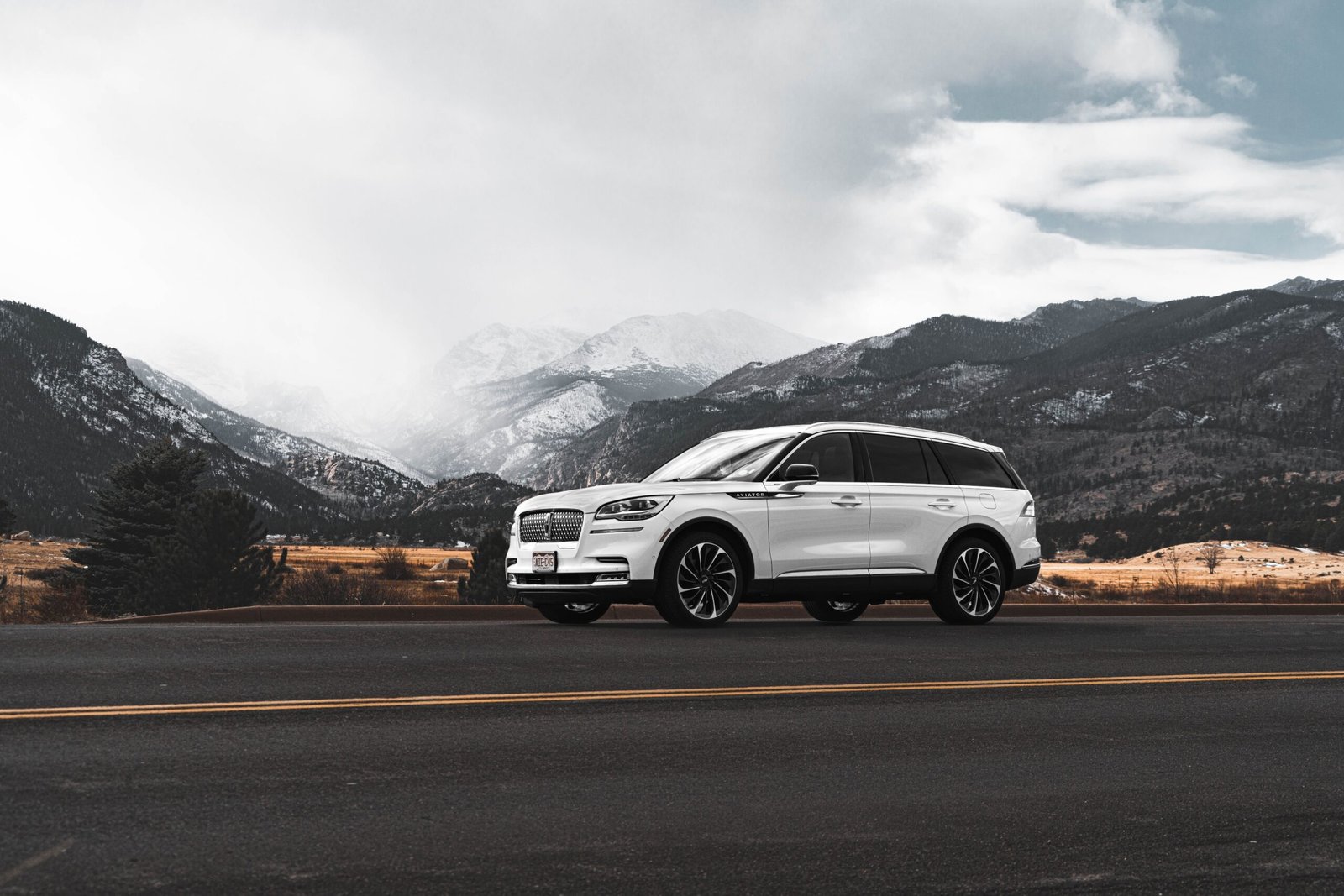
For buyers who need maximum passenger capacity and family-oriented versatility, the Lincoln Aviator offers a larger three-row SUV format. Its larger dimensions provide additional interior flexibility, making it suitable for households that frequently carry several passengers. The Aviator also gives buyers access to a stronger performance-oriented character than smaller Lincoln SUVs, depending on configuration. Its combination of three-row seating, premium cabin design, available technology, and powertrain choices makes it an important part of the Lincoln SUV lineup.

At the top end of Lincoln’s traditional SUV family is the Lincoln Navigator, a large luxury SUV designed around space, presence, comfort, and towing capability. The Navigator is substantially larger than the Corsair and Nautilus and is intended for buyers who want a full-size luxury SUV with three-row seating and significant cargo and passenger capacity. Its size can be advantageous for families, road trips, and drivers who regularly transport people or substantial amounts of luggage, although that same size can make parking and navigating narrow urban streets more demanding.

Lincoln SUV Interior and Comfort

Interior comfort is one of the strongest reasons shoppers consider a Lincoln SUV. The brand has historically focused on creating cabins that feel calm, spacious, and sophisticated rather than simply filling the dashboard with as many controls and screens as possible. Depending on the specific model and trim, buyers can find premium upholstery, power-adjustable seating, heated and ventilated seats, ambient lighting, upgraded audio systems, and other features intended to make daily travel more pleasant. For drivers who spend considerable time commuting or traveling long distances, these details can have a major effect on the overall ownership experience.

Seat comfort is especially important in a luxury SUV because the vehicle may be used for extended journeys. A well-designed seat can reduce fatigue during highway travel, while features such as heating, ventilation, memory settings, and multiple power adjustments allow different occupants to personalize their seating position. Larger Lincoln SUVs also provide additional room for rear passengers, which can be particularly useful for families. Buyers should nevertheless evaluate the exact seating configuration because passenger capacity, cargo space, and available features can differ significantly between models and trims.

Lincoln SUV Technology

Modern Lincoln SUVs incorporate technology throughout the vehicle, with infotainment, smartphone connectivity, digital displays, navigation, cameras, and driver-assistance features forming important parts of the overall package. Technology can make a vehicle easier to use, but buyers should pay attention to how intuitive the systems are rather than focusing only on the number of features listed in a specification sheet. A large display may look impressive, but convenient menus, responsive controls, clear graphics, and reliable smartphone integration are equally important for everyday usability.

Driver-assistance technology is another area that has become increasingly important in the luxury SUV market. Depending on the model, year, and equipment level, Lincoln vehicles can offer systems designed to assist with functions such as adaptive cruise control, lane management, parking, collision awareness, and surrounding-vehicle monitoring. These systems are intended to support the driver rather than replace attentive driving. Their availability and exact functionality can vary, so buyers researching a particular Lincoln SUV should check the equipment associated with the specific model year and trim rather than assuming every vehicle includes the same features.

Lincoln SUV Performance and Driving Experience

Performance varies considerably across the Lincoln SUV range. A compact SUV such as the Corsair has different priorities from a full-size Navigator, while the Aviator provides a distinct combination of size and performance. For many Lincoln buyers, performance is less about aggressive handling and more about smooth acceleration, effortless highway cruising, stable road manners, and a comfortable ride. This does not mean Lincoln SUVs lack power; rather, the driving experience is generally designed to complement the luxury-oriented character of the vehicles.

All-wheel drive can also be an important consideration for shoppers who regularly drive in rain, snow, or on roads where additional traction is useful. However, all-wheel drive should not be viewed as a replacement for appropriate tires or careful driving conditions. Buyers should also consider fuel consumption, vehicle weight, tire costs, and maintenance requirements when comparing different powertrain configurations. A more powerful or larger Lincoln SUV can deliver additional capability and performance but may also carry higher operating costs than a smaller model.

Lincoln SUV Design and Exterior Styling

Lincoln’s SUV design language emphasizes a recognizable luxury appearance with a broad grille, carefully shaped bodywork, distinctive lighting, and a relatively clean overall profile. The styling varies from one generation and model to another, but the objective is generally to create a vehicle that looks premium without relying exclusively on aggressive styling. The Navigator, in particular, has a substantial road presence because of its large dimensions, while smaller vehicles such as the Corsair offer a more compact interpretation of the Lincoln design philosophy.

Exterior design is ultimately subjective, but it is still an important part of the luxury SUV purchase. A vehicle can serve as transportation while also representing a buyer’s personal taste. Lincoln provides different wheel designs, exterior finishes, trim packages, and other customization options depending on the model and market. Anyone considering a specific vehicle should compare the standard equipment with optional packages because appearance features can sometimes be tied to particular trims.

Lincoln SUV Space and Practicality

SUV buyers usually expect more practicality than they would get from a traditional sedan, and Lincoln’s larger models are particularly useful in this respect. Cargo space can be important for families carrying groceries, luggage, sports equipment, strollers, or other large items. Three-row models introduce another consideration: the amount of usable cargo room available when all seating rows are occupied. A vehicle can technically seat many passengers while still having limited space behind the third row, so shoppers should examine real-world cargo requirements rather than relying solely on the number of seats.

The smaller Lincoln SUVs can also be practical for urban drivers because their dimensions make them easier to park and maneuver. This illustrates why there is no single Lincoln SUV that suits every buyer. Someone living in a city and primarily carrying one or two passengers may have different requirements from a large family that frequently takes long road trips. Comparing vehicle dimensions, seating arrangements, cargo measurements, and parking requirements is therefore an important part of the buying process.

Lincoln SUV Safety and Driver Assistance

Safety is an important consideration when choosing any vehicle, including a luxury SUV. Modern Lincoln models can include a range of active and passive safety technologies, although exact equipment varies according to model year, trim, market, and optional packages. Features can include systems designed to monitor surrounding traffic, provide warnings, assist with lane positioning, support adaptive cruise control, and make parking easier. Buyers should research the specific vehicle’s safety equipment and independent crash-test results rather than assuming that all Lincoln SUVs have identical capabilities.

It is also useful to remember that driver-assistance systems have limitations. Sensors and cameras can be affected by weather, road markings, visibility, or other conditions, and these systems are designed to assist an attentive driver. Good driving habits, appropriate speed, seat-belt use, and attention to the road remain fundamental regardless of how many electronic safety features a vehicle provides.

Lincoln SUV Fuel Economy and Ownership Costs

Fuel economy should be considered alongside purchase price when evaluating a Lincoln SUV. Larger vehicles generally require more energy to move than smaller ones, and engine size, drivetrain configuration, vehicle weight, driving conditions, and driving style all influence real-world fuel consumption. Someone choosing a large three-row SUV should therefore consider whether the additional space and capability justify the additional fuel expense for their particular lifestyle.

Ownership costs extend beyond fuel. Insurance, tires, scheduled maintenance, brakes, repairs, financing, registration, and depreciation can all influence the total cost of owning a luxury SUV. Premium vehicles may also use specialized components or larger wheels and tires that can increase replacement costs. A sensible comparison should therefore look beyond the advertised purchase price and consider the estimated cost of keeping the vehicle for several years.

How to Choose the Right Lincoln SUV

Choosing the right Lincoln SUV starts with identifying how much vehicle you actually need. A smaller crossover can be easier to park, more convenient for city driving, and potentially less expensive to operate, while a larger SUV can provide substantially more passenger and cargo space. If three-row seating is essential, the larger Lincoln models deserve attention. If most journeys involve one or two people and urban commuting, a smaller model may provide a more appropriate balance of size and utility.

The next step is to determine which features matter most. Some buyers prioritize a quiet cabin and comfortable seats, while others care more about performance, towing, all-wheel drive, advanced technology, or cargo capacity. It is also important to compare trim levels carefully because a feature shown in marketing material may not be standard on every version. Checking the official specifications for the exact model year and trim can prevent confusion and help buyers create a realistic budget.

New vs. Used Lincoln SUV

Buying a new Lincoln SUV provides access to the latest design, technology, warranty coverage, and available factory equipment. A new vehicle also allows buyers to choose their preferred color, trim, options, and configuration when inventory permits. However, a new luxury vehicle can involve a larger initial financial commitment, and depreciation should be considered as part of the overall cost of ownership.

A used Lincoln SUV can provide access to luxury features at a lower purchase price, but condition and history become especially important. Buyers should review service records, accident history, mileage, tire condition, brake condition, interior wear, and the operation of electronic systems. A professional inspection before purchase can be valuable, particularly when considering an older luxury SUV with complex technology and expensive components. The best used-vehicle choice is not necessarily the newest or cheapest example; it is the one whose condition, history, equipment, and price make sense for the intended use.

Is a Lincoln SUV Good for Families?

A Lincoln SUV can be well suited to families because SUVs offer a useful combination of passenger seating, cargo flexibility, elevated driving position, and available safety and convenience technology. The larger three-row models can accommodate more passengers, while smaller Lincoln SUVs may be easier for everyday school runs, commuting, shopping, and urban travel. Families should pay particular attention to rear-seat space, child-seat compatibility, cargo capacity, door openings, and ease of access to the third row if applicable.

Family needs can change over time, so it is worth thinking beyond the current situation. A couple with one child may have very different requirements from a family with several children and frequent road-trip luggage. Test-fitting child seats, checking cargo space with everyday equipment, and evaluating rear-seat access can reveal practical differences that are not obvious from photographs or specification sheets.

Conclusion

The Lincoln SUV lineup represents a broad approach to luxury sport utility vehicles, ranging from smaller crossovers designed for everyday usability to large three-row SUVs focused on space, comfort, and capability. Lincoln’s SUV identity centers on a refined interior environment, premium design, modern technology, comfortable seating, and a relaxed driving experience. Models such as the Corsair, Nautilus, Aviator, and Navigator address different needs, meaning that shoppers should compare size, seating capacity, powertrain choices, features, technology, cargo space, and ownership costs before making a decision.

For anyone searching for “lincon suv,” the correct search term is Lincoln SUV, and understanding the lineup is more useful than focusing on a single specification. The right model depends on individual priorities, including passenger requirements, driving environment, budget, desired features, performance expectations, and long-term ownership plans. By comparing the specific model year and trim, checking available equipment, evaluating real-world practicality, and considering total ownership costs, shoppers can make a more informed decision about which Lincoln SUV fits their needs.

Frequently Asked Questions About Lincoln SUV

What does “lincon suv” mean?

“Lincon SUV” is commonly understood as a misspelled version of Lincoln SUV. Lincoln is a luxury vehicle brand, and its SUV range includes multiple models designed for different combinations of size, comfort, passenger capacity, performance, and practicality.

What Lincoln SUVs are available?

Lincoln’s SUV family has included the Corsair, Nautilus, Aviator, and Navigator, with the exact lineup and specifications depending on the model year and market. Because vehicle availability changes over time, shoppers should check current specifications for their region.

Which Lincoln SUV is the smallest?

The Lincoln Corsair is positioned as the smaller SUV in the current Lincoln lineup, offering a more compact format than the Nautilus, Aviator, and Navigator.

Which Lincoln SUV has three rows?

The Lincoln Aviator and Lincoln Navigator are three-row SUVs, making them particularly relevant to buyers who need additional passenger seating.

Is the Lincoln Navigator a full-size SUV?

Yes. The Lincoln Navigator is positioned as a full-size luxury SUV and offers substantially more interior space and road presence than Lincoln’s smaller SUV models.

Are Lincoln SUVs available with all-wheel drive?

All-wheel-drive availability depends on the specific model, model year, powertrain, trim, and market. Buyers should check the specifications for the exact Lincoln SUV they are considering.

Are Lincoln SUVs expensive to maintain?

Maintenance costs depend on the model, age, mileage, powertrain, driving conditions, parts, labor rates, tires, and repair needs. A larger or more highly equipped luxury SUV can have higher operating costs than a smaller vehicle, so buyers should consider total ownership expenses rather than purchase price alone.

Is a Lincoln SUV suitable for long road trips?

Lincoln SUVs can be well suited to long-distance travel because their designs emphasize cabin comfort, seating, technology, and highway-oriented driving characteristics. The best model for a road trip depends on the number of passengers, luggage requirements, and desired level of performance.

What should I check when buying a used Lincoln SUV?

Check the vehicle’s maintenance and accident history, mileage, tires, brakes, suspension, electronics, infotainment system, air conditioning, interior condition, and overall mechanical condition. A professional pre-purchase inspection can also help identify problems that are not obvious during a short test drive.

Continue Reading

Trending