Blogs
Porsche Cayenne 2024: Complete Guide to Performance, Luxury, Features, and Price

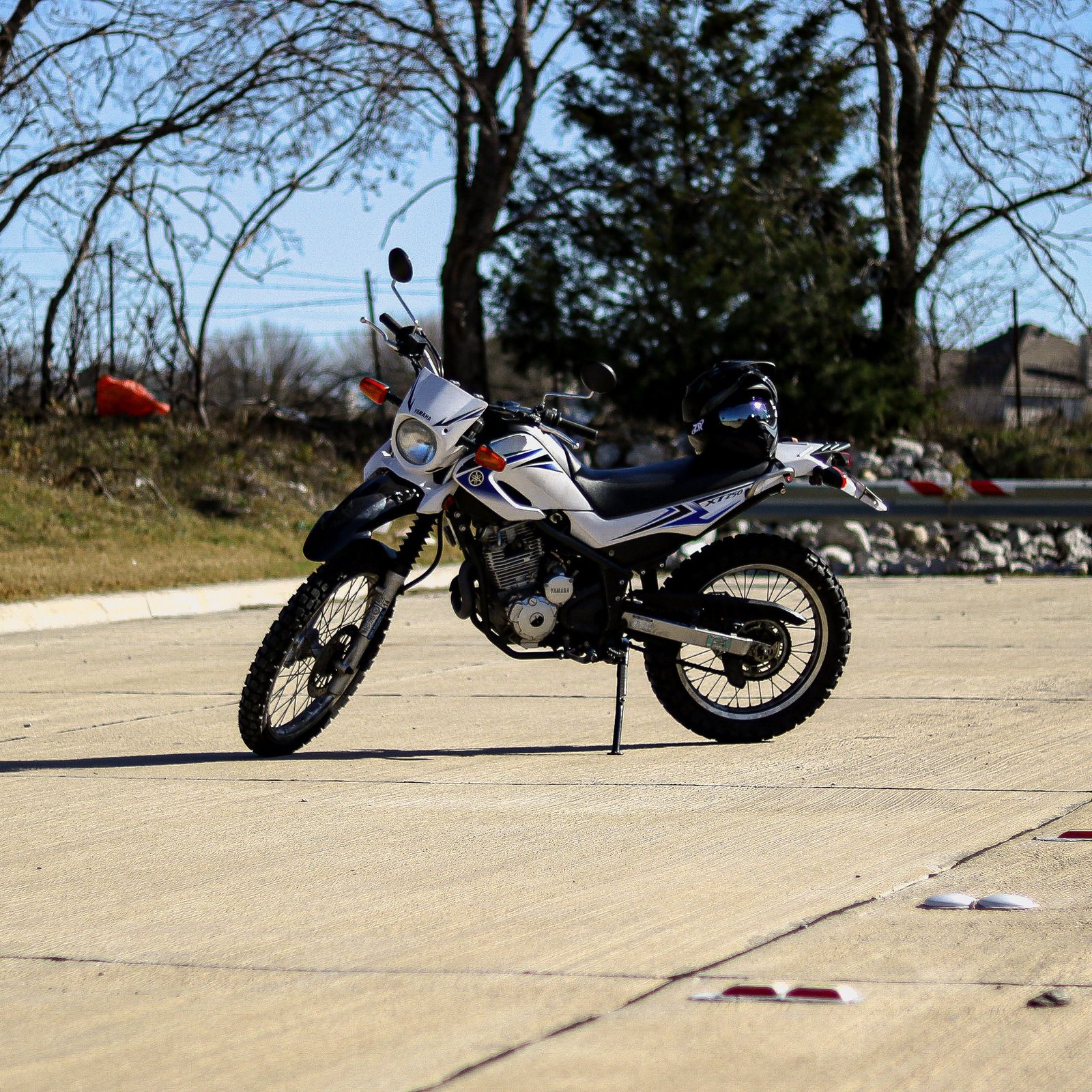
If you want to create an informative, search-engine-friendly article about the Yamaha TW200, the best approach is to combine the motorcycle’s name with relevant topics such as specifications, performance, fuel economy, off-road riding, beginner suitability, maintenance, and ownership costs. This helps your article address different search intentions while keeping the content useful for readers who are researching the motorcycle, comparing it with other bikes, or considering buying one.
Below, you will find SEO-friendly title ideas, keyword explanations, and a complete long-form article with an introduction, detailed sections, conclusion, and frequently asked questions.


1. SEO-friendly article title ideas
These titles incorporate the primary keyword, TW200 Yamaha, alongside related search terms that readers may use when looking for information about this motorcycle.
TITLE 1
TW200 Yamaha: Complete Motorcycle Review, Specs, Features, and Buying Guide
Keywords: TW200 Yamaha, Yamaha TW200 review, specs, buying guide
TITLE 2
Yamaha TW200 Review: Performance, Fuel Economy, Comfort, and Off-Road Riding
Keywords: Yamaha TW200 review, fuel economy, off-road riding
TITLE 3
Yamaha TW200 Specs and Features: Everything Riders Need to Know
Keywords: Yamaha TW200 specs, features, motorcycle specifications
TITLE 4
Is the Yamaha TW200 a Good Beginner Motorcycle? A Complete Guide
Keywords: Yamaha TW200 beginner motorcycle, beginner bike
TITLE 5
Yamaha TW200 for Sale: What to Know Before Buying a Used or New Bike
Keywords: Yamaha TW200 for sale, used Yamaha TW200, new TW200
TITLE 6
Yamaha TW200 Off-Road Review: Fat Tires, Trail Handling, and Everyday Use
Keywords: Yamaha TW200 off-road, fat tire motorcycle, trail riding
TITLE 7
Yamaha TW200 Maintenance Guide: Ownership, Reliability, and Long-Term Care
Keywords: Yamaha TW200 maintenance, reliability, ownership
Recommended SEO title
TW200 Yamaha: Complete Motorcycle Review, Specs, Features, and Buying Guide
This title places the exact keyword near the beginning and includes supporting terms that communicate the article’s coverage. It is descriptive rather than overly promotional, which helps set clear expectations for readers.
2. Keyword research and explanations
Keyword | Search intent and explanation |
|---|---|
TW200 Yamaha | Primary keyword for people searching for the motorcycle by its model name. |
Yamaha TW200 review | Readers want an overview of the motorcycle, its strengths, limitations, and riding experience. |
Yamaha TW200 specs | Searchers want engine details, dimensions, tires, weight, and other specifications. |
Yamaha TW200 fuel economy | People researching fuel consumption and everyday running costs. |
Yamaha TW200 off-road | Riders interested in trails, dirt roads, and light off-road exploration. |
Yamaha TW200 beginner motorcycle | New riders looking for information about seat height, handling, and ease of use. |
Yamaha TW200 for sale | Buyers researching availability, prices, used models, and purchasing considerations. |
Yamaha TW200 maintenance | Owners and prospective buyers looking for upkeep and long-term ownership information. |
Yamaha TW200 reliability | Searchers interested in durability, maintenance history, and ownership expectations. |
Yamaha TW200 fat tires | People curious about the bike’s distinctive wide tires and their practical effects. |
Suggested related keywords
Use the primary keyword naturally in the title, introduction, one relevant heading, and conclusion. Place related terms in sections where they genuinely fit rather than repeating them unnaturally. These are suggested SEO targets, not verified search-volume or ranking data.
3. Full-length SEO article
ARTICLE START
TW200 Yamaha: Complete Motorcycle Review, Specs, Features, and Buying Guide
Introduction
The TW200 Yamaha is a distinctive dual-purpose motorcycle known for its wide tires, approachable seat height, compact dimensions, and simple four-stroke engine. Unlike motorcycles designed primarily for high-speed road travel or demanding competition, the Yamaha TW200 focuses on accessible riding, everyday practicality, and exploring a variety of surfaces at a relaxed pace. Its recognizable appearance and straightforward design have made it a familiar option for riders interested in a motorcycle that can travel along ordinary roads and venture onto suitable dirt trails. Whether you are a beginner researching your first motorcycle, an experienced rider looking for a recreational machine, or a buyer comparing lightweight dual-sport models, understanding the TW200’s specifications, performance characteristics, equipment, and limitations can help you determine whether it suits your needs.
The Yamaha TW200 combines a 196cc air-cooled four-stroke engine with a five-speed manual transmission, electric starting, and a chassis built around its unusual tire dimensions. Yamaha’s published specifications for the 2025 model list a 31.1-inch seat height, 278-pound wet weight, and estimated fuel economy of 78 miles per gallon in the United States. The manufacturer continues to list the TW200 in its 2026 lineup, although pricing, availability, and equipment should always be confirmed for the specific market and model year. This guide explores the motorcycle’s design, engine, handling, comfort, fuel economy, maintenance, and buying considerations so readers can make an informed decision based on their riding environment and expectations.

Yamaha TW200 overview

The Yamaha TW200 is a dual-purpose motorcycle designed to provide a relatively uncomplicated riding experience across a mixture of paved roads and appropriate unpaved routes. Its defining visual feature is the combination of an especially broad rear tire and a wide front tire, giving the motorcycle a different appearance from many conventional dual-sport bikes. The low seat and compact proportions are also central to its identity, making it easier for many riders to approach the motorcycle, mount it, and place a foot on the ground while stationary. Yamaha describes the TW200 as a versatile machine for road and trail use, emphasizing its comfortable ride, electric start, and wide tires. However, dual-purpose capability does not mean that every trail or road condition is suitable; the rider still needs to consider terrain, tire condition, weather, traffic, and their own experience.
The model’s appeal is closely connected to its relatively simple mechanical layout. It uses a small-displacement single-cylinder engine rather than a high-output multi-cylinder powerplant, and its five-speed transmission gives the rider manual control over gear selection. The TW200 is not designed to deliver the acceleration or sustained high-speed performance expected from larger road motorcycles, but its approachable proportions and manageable engine size can make it relevant to recreational riding, short trips, and exploring routes where moderate speeds are appropriate. Its character is best understood as practical and relaxed rather than focused on outright speed or competition performance.
Yamaha TW200 specifications
The following table summarizes the published US specifications for the 2025 Yamaha TW200. Specifications can differ by market or model year, so buyers should check the documentation for the exact motorcycle they are considering.
Specification | Yamaha TW200 (2025 US model) |
|---|---|
Engine | 196cc, air-cooled, SOHC, four-stroke, two valves |
Bore × stroke | 67.0 × 55.7 mm |
Compression ratio | 9.5:1 |
Fuel delivery | Mikuni 28mm |
Ignition | CDI |
Transmission | Five-speed constant-mesh |
Clutch | Multiplate wet clutch |
Final drive | Chain |
Front suspension | Telescopic fork, 6.3-inch travel |
Rear suspension | Single shock, 5.9-inch travel |
Front brake | 220mm disc |
Rear brake | 110mm drum |
Front tire | 130/80-18 |
Rear tire | 180/80-14 |
Seat height | 31.1 inches |
Wheelbase | 52.2 inches |
Ground clearance | 10.4 inches maximum |
Fuel capacity | 1.8 US gallons |
Estimated fuel economy | 78 mpg |
Wet weight | 278 pounds |
These figures help explain the motorcycle’s intended role. The 196cc engine is compact, the seat is relatively low, and the wide tires distinguish it from many other motorcycles in the dual-sport category. Its suspension travel provides some capacity to absorb uneven surfaces, while the front disc and rear drum braking arrangement reflects its straightforward equipment package. The stated wet weight includes standard equipment and fluids, including a full fuel tank, according to Yamaha’s specification notes. Riders should avoid treating any single specification as a guarantee of performance: actual comfort, traction, stopping distance, and fuel consumption depend on rider weight, setup, maintenance, weather, surface conditions, and riding style.
Engine performance and transmission

The Yamaha TW200 uses a 196cc air-cooled, single-cylinder, four-stroke engine with a single overhead camshaft and two valves. Yamaha describes the engine as providing useful low- and mid-range pulling power, a characteristic that suits relaxed trail exploration and ordinary riding more than high-speed competition. Its five-speed constant-mesh transmission and manual wet clutch allow the rider to select gears according to speed and terrain. An internal counterbalancer is included to help reduce engine vibration, while electric starting makes routine starts convenient. As with any small-displacement motorcycle, riders should choose gears carefully and maintain realistic expectations when accelerating, climbing steep grades, or carrying additional weight.
For riders transitioning from a bicycle or a smaller motorcycle, the manual transmission offers an opportunity to develop clutch control, throttle coordination, and gear-selection skills. Those who are new to motorcycles should still receive proper instruction and practice in a controlled environment before entering traffic or riding on challenging trails. The TW200’s relatively modest engine size may make its power delivery less intimidating than that of a large motorcycle, but low speed does not remove the need for balance, protective equipment, safe braking habits, and awareness of surrounding vehicles and obstacles.
Fat tires and off-road riding

One of the most recognizable characteristics of the TW200 Yamaha is its wide tire setup: a 130/80-18 front tire and a 180/80-14 rear tire in the published US specifications. These broad tires contribute to the motorcycle’s distinctive appearance and are part of its design for varied surfaces. Yamaha highlights their traction and rider comfort across a range of terrain. In practical terms, tire performance depends on the specific tire construction, tread pattern, inflation pressure, wear, temperature, and the surface being ridden. Riders should use suitable tires for their intended conditions and follow the manufacturer’s recommendations rather than assuming that a wide tire automatically guarantees grip on mud, sand, wet pavement, or loose rocks.
For light off-road exploration, the TW200 may be considered for maintained dirt roads, suitable trails, and recreational routes that match the rider’s ability and the motorcycle’s ground clearance and suspension. Its 10.4-inch maximum ground clearance and suspension travel of 6.3 inches at the front and 5.9 inches at the rear provide useful reference points when assessing obstacles and uneven ground. However, these measurements do not make it a specialized enduro or motocross machine. Deep ruts, large rocks, steep technical climbs, fast whoops, and difficult mud can challenge both the motorcycle and the rider. Before setting out, check local trail rules, weather, route difficulty, and whether the motorcycle is properly equipped and legally permitted for the route.
Comfort, seat height, and everyday usability
The TW200’s published seat height of 31.1 inches is a significant part of its approachable design. A relatively low seat can help some riders feel more secure when stopping, maneuvering at low speed, or backing the motorcycle into a parking space. Nevertheless, seat height alone does not determine whether a bike will fit a particular person. Inseam length, seat width, suspension sag, footwear, riding posture, and confidence all affect how easily a rider can put a foot down. Prospective owners should sit on the motorcycle if possible and assess its fit while wearing their usual riding boots. Yamaha also describes the seat as a comfortable saddle designed to support rider movement and comfort, though comfort over long distances varies between individuals.
For everyday use, the TW200’s compact dimensions and electric start can be convenient for short trips and recreational errands, provided the route and local laws are suitable for the motorcycle. Its dual-purpose configuration offers flexibility, but it is important to distinguish commuting convenience from highway capability. Riders should evaluate traffic speeds, road conditions, visibility, passenger or cargo needs, and the distance between fuel stops before relying on it for regular transportation. The motorcycle’s modest engine capacity and equipment package may not satisfy someone seeking strong acceleration, extensive wind protection, or the comfort features of a larger touring machine.
Fuel economy and riding range
Fuel economy is a common consideration for people researching the Yamaha TW200. Yamaha’s US specifications list an estimated figure of 78 miles per gallon and a fuel capacity of 1.8 US gallons for the 2025 model. These are manufacturer figures, not a promise of what every rider will achieve. Actual consumption can change with speed, throttle use, terrain, tire pressure, maintenance, passenger or cargo weight, and environmental conditions. The motorcycle’s small tank also means that riders planning longer journeys should consider fuel availability and leave a sensible reserve rather than planning a route around a theoretical maximum range.
A useful ownership habit is to record fuel purchases and odometer readings over several fill-ups. This gives a rider a more meaningful estimate of personal fuel economy than relying solely on a published number. For trail riding or travel through remote areas, route planning should include the location and opening hours of fuel stations, possible detours, and a margin for unexpected conditions. Good maintenance and correct tire pressures can also support efficient operation, although neither can eliminate the effects of demanding terrain or aggressive riding.
Is the Yamaha TW200 a good beginner motorcycle?
The Yamaha TW200 may be worth considering by new riders because of its relatively low seat, compact design, electric starting, and small-displacement engine. These features can make it easier for some beginners to approach basic riding tasks, including mounting, stopping, low-speed maneuvering, and learning manual gear changes. Yamaha specifically presents the low seat and compact chassis as features intended to inspire rider confidence. Still, no motorcycle is automatically suitable for every beginner. A rider’s height, strength, experience, intended road use, local licensing requirements, and access to training should all be considered before making a purchase.
A beginner should prioritize a certified training course, a properly fitted helmet, protective clothing, gloves, boots, and practice in a safe, controlled setting. The TW200’s approachable design does not replace those essentials. Riders should also learn how to inspect tires, brakes, lights, chain condition, and fluid levels, and should understand the motorcycle’s controls before riding in traffic. Anyone uncertain about fit or handling should arrange a supervised test ride where legally available, or seek guidance from a qualified instructor or dealer.
Yamaha TW200 price and buying considerations

Anyone searching for a Yamaha TW200 for sale should distinguish the manufacturer’s suggested retail price from the final amount charged by a dealer. Yamaha’s US website lists a starting MSRP of $4,999 for the 2026 TW200, with a $400 destination charge shown separately. Taxes, registration, dealer fees, optional accessories, and local pricing can affect the final purchase cost. These figures apply to the US market and should not be assumed to represent prices in other countries. Availability and promotional offers can also change, so checking the manufacturer’s current listing and obtaining a written quote from an authorized dealer is important before making a purchasing decision.
When comparing a new motorcycle with a used TW200, consider more than the asking price. Review the model year, service records, mileage, tire condition, chain and sprockets, brake operation, suspension leaks, electrical equipment, and evidence of crash damage or extensive off-road use. A motorcycle that has been stored for a long period may require attention to its fuel system, battery, tires, and other age-related components even if its odometer reading is low. Buyers should also verify ownership documents, vehicle identification details, local registration requirements, and whether any modifications comply with applicable road-use rules. A qualified mechanic’s inspection can help identify problems that are not obvious during a brief viewing.
Maintenance and long-term ownership
The TW200’s air-cooled, four-stroke engine and relatively straightforward layout may appeal to riders who prefer a motorcycle without an elaborate collection of electronic systems. However, simple design should not be confused with maintenance-free ownership. Regular servicing remains essential, including checking engine oil, inspecting and adjusting the drive chain as required, monitoring tire pressures and tread condition, examining the brakes, and checking lights and controls. Owners should follow the maintenance schedule and procedures in the owner’s manual for their particular model year, because service intervals, specifications, and requirements should not be guessed from general advice or from a different motorcycle. Yamaha lists an automatic cam-chain tensioner among the engine features, but that component does not eliminate the need for routine inspections and scheduled servicing.
Long-term ownership also involves keeping the motorcycle clean, addressing damage promptly, and storing it appropriately when it will not be ridden for an extended period. Dirt and moisture can affect the chain, fasteners, electrical connections, and other components, while incorrect tire pressure or neglected brakes can compromise safe operation. Riders who regularly use the TW200 off-road should inspect it after demanding rides and pay particular attention to loose components, tire damage, chain condition, and signs of impact. Maintaining service records and using the correct parts and fluids can make ownership easier to manage and provide useful documentation if the motorcycle is sold later.
Advantages and limitations of the Yamaha TW200
The TW200 has a recognizable set of characteristics that may suit some riders and not others. Its relatively low seat, electric start, wide tires, compact engine, and dual-purpose layout are relevant advantages for people seeking a modest motorcycle for recreational use and suitable mixed-surface riding. Its manageable proportions may also be attractive to riders who do not want the physical size or power of a larger motorcycle. These features, however, should be evaluated in relation to the rider’s specific requirements rather than treated as universal benefits.
There are also practical limitations to consider. The 196cc engine is not intended to provide the performance of a larger-displacement road or adventure motorcycle, and its small fuel tank may require more frequent stops on longer journeys. Its suspension travel and equipment are not equivalent to those of a dedicated competition off-road bike, while the tire setup and overall design may not be what every rider wants for fast paved-road riding. The best way to assess the TW200 is to compare its documented specifications and intended use with the routes, speeds, distances, and carrying requirements you expect in everyday ownership.
Yamaha TW200 compared with other motorcycle types
The TW200 occupies a particular place among small motorcycles because it combines dual-purpose equipment with unusually broad tires and a low seat. Compared with a conventional street motorcycle, its design places more emphasis on versatility over suitable unpaved surfaces. Compared with a specialized enduro motorcycle, it is oriented toward accessible recreational riding rather than competition-focused performance. And compared with a larger adventure motorcycle, it has a much smaller engine and a more compact overall package. These are differences in design and intended use, not a universal ranking of which motorcycle is preferable.
Before choosing between the TW200 and another model, make a list of your priorities. Consider whether you expect to ride mostly in city traffic, on rural roads, along gravel routes, or on technical trails. Think about the highway speeds you need to maintain, how often you will carry a passenger, whether luggage capacity matters, and how comfortable you feel handling the motorcycle at a standstill. Comparing seat height, wet weight, engine size, suspension travel, braking equipment, fuel capacity, and local service support can make the decision more concrete and help avoid choosing a motorcycle based only on appearance.
Who should consider the TW200 Yamaha?
The TW200 may be relevant to riders who want a relatively compact dual-purpose motorcycle for relaxed rides, suitable trails, gravel roads, and short everyday journeys. It may also interest experienced motorcyclists looking for a smaller recreational machine alongside a larger motorcycle, or beginners who have checked the fit and handling and plan to complete proper training. Its unusual styling and wide tires can be part of its appeal, but prospective owners should consider the practical details of their riding environment as carefully as its appearance.
It may be less suitable for someone whose main priorities are high-speed highway travel, strong acceleration, extensive touring comfort, or demanding competitive off-road riding. Riders who regularly travel with a passenger or substantial luggage should check whether the motorcycle’s capacity and performance meet those needs. Ultimately, suitability depends on the individual rider, local conditions, and intended use. A careful review of the specifications, a realistic assessment of the routes involved, and a proper inspection or test ride can provide a clearer basis for deciding whether the TW200 belongs in your garage.
Conclusion
The TW200 Yamaha is a distinctive dual-purpose motorcycle that combines a 196cc air-cooled four-stroke engine, five-speed transmission, electric start, low seat height, and wide tires in a compact package. Its design makes it an option for riders interested in relaxed recreational riding, suitable dirt roads, and everyday journeys that match its performance and equipment. Yamaha’s published specifications provide useful information about its dimensions, suspension, braking system, fuel capacity, and estimated fuel economy, while the manufacturer’s model listings can help buyers confirm current-market details.
Before purchasing a Yamaha TW200, consider how you intend to use it, whether its seat height and performance suit your needs, and what maintenance and ownership costs are likely in your location. Check the exact model year’s specifications, inspect used motorcycles carefully, and follow the owner’s manual and local road-use requirements. With realistic expectations and appropriate training, the TW200 can be evaluated as a practical choice for riders who value a straightforward motorcycle with a recognizable dual-purpose design.
4. Frequently asked questions about the Yamaha TW200
1. What is the Yamaha TW200?
The Yamaha TW200 is a dual-purpose motorcycle featuring a 196cc air-cooled four-stroke engine, five-speed transmission, electric start, and wide tires. It is designed for road use and suitable off-road exploration.
2. How much does the Yamaha TW200 weigh?
Yamaha lists the 2025 US model’s wet weight as 278 pounds. Wet weight includes the motorcycle’s standard equipment and fluids, including a full fuel tank.
3. What is the seat height of the TW200 Yamaha?
The published seat height is 31.1 inches for the 2025 US model. Individual riders should still check the actual fit because inseam length, seat shape, and suspension setup affect reach to the ground.
4. What engine does the Yamaha TW200 have?
It has a 196cc air-cooled, SOHC, four-stroke single-cylinder engine with two valves and a five-speed constant-mesh transmission.
5. What is the Yamaha TW200’s fuel economy?
Yamaha lists estimated fuel economy of 78 mpg for the 2025 US model. Real-world consumption varies with riding conditions, speed, maintenance, and rider habits.
6. Is the Yamaha TW200 suitable for beginners?
It may suit some beginners because of its relatively low seat, compact chassis, electric start, and modest engine size. Beginners should still receive proper training, use protective equipment, and confirm that the motorcycle fits them comfortably.
7. Can the Yamaha TW200 be ridden off-road?
Yes, it is a dual-purpose motorcycle intended for road and suitable trail use. Riders should choose routes that match the motorcycle’s equipment and their experience, avoiding terrain beyond their abilities or the bike’s capabilities.
8. What size tires does the Yamaha TW200 use?
The published US specifications list a 130/80-18 front tire and a 180/80-14 rear tire. Confirm the required tire specifications for your particular model year before replacement.
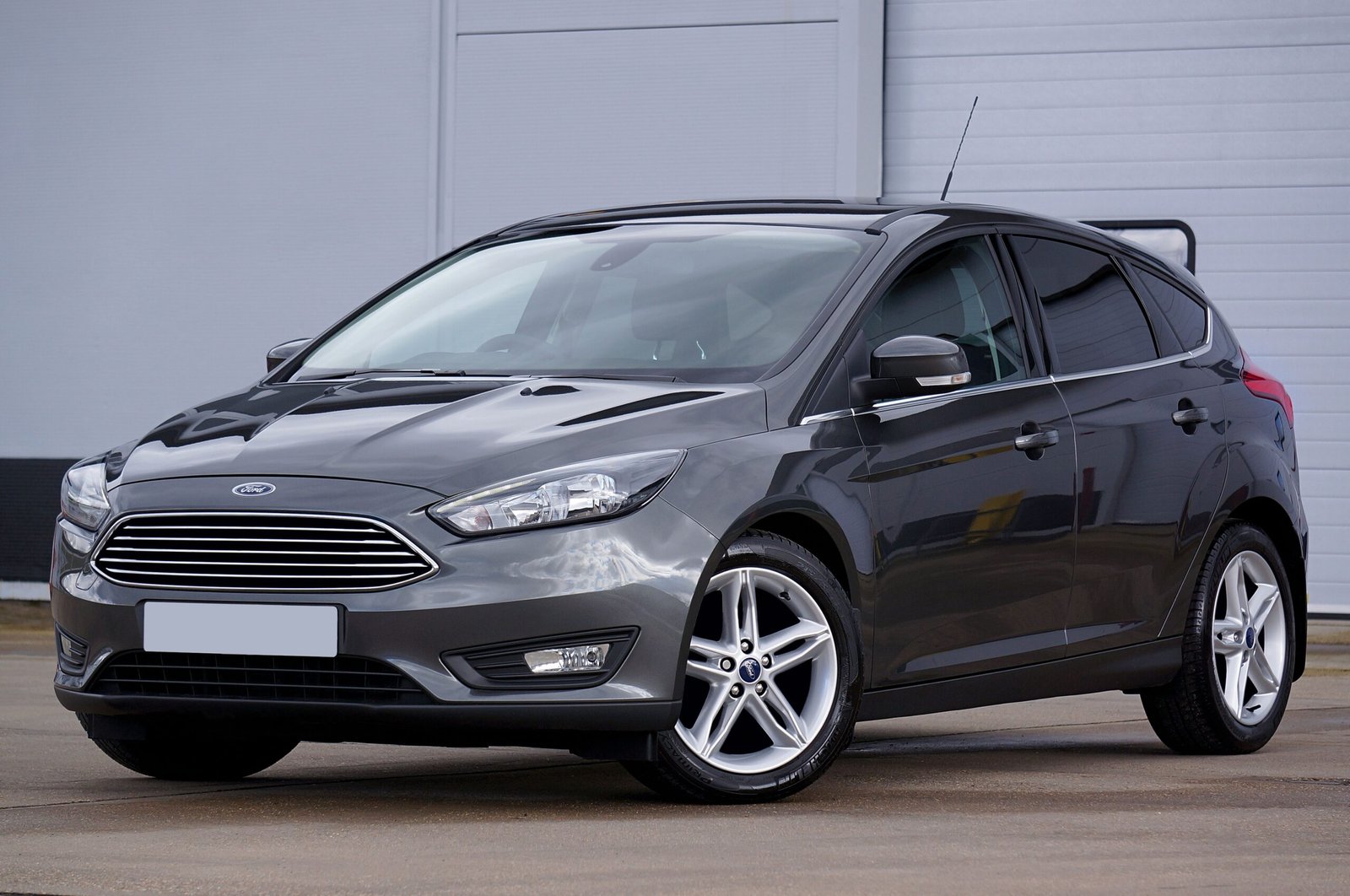
The Ford Focus 2016 car remains an interesting choice for drivers looking for a compact vehicle that combines practical dimensions, comfortable everyday driving, modern styling, and a range of useful features. As a member of Ford’s long-running Focus family, the 2016 model was designed to compete in a crowded compact-car market against vehicles such as the Honda Civic, Toyota Corolla, Mazda3, Volkswagen Golf, and Hyundai Elantra. The Focus was offered in different body styles and configurations depending on the market, giving buyers options ranging from practical commuting cars to sportier versions. Even though the 2016 Ford Focus is now an older used vehicle, it can still attract shoppers who want an affordable compact car, particularly when they find an example with a good maintenance history and reasonable mileage.
When considering a 2016 Ford Focus, however, buyers should look beyond its appearance and advertised price. Used-car condition can vary significantly because these vehicles have now been on the road for many years. Maintenance records, transmission behavior, engine condition, accident history, mileage, previous ownership, and regional specifications can all have a major effect on whether a particular Focus is a good purchase. Understanding the car’s strengths and potential weaknesses before buying can help shoppers make a more informed decision. This guide examines the Ford Focus 2016 car in detail, including its design, engine choices, interior, driving experience, fuel economy, reliability considerations, common problems, maintenance, and used-car buying advice.
Ford Focus 2016 Overview
The 2016 Ford Focus was positioned as a compact car that emphasized responsive handling, attractive styling, useful technology, and everyday practicality. Its relatively compact exterior made it suitable for urban driving and parking, while its interior provided enough space for normal commuting and small-family use. Depending on the market, buyers could encounter sedan and hatchback versions, while equipment levels varied substantially. Some examples were basic transportation-focused models, while higher trims included additional convenience, infotainment, safety, and comfort equipment. This variation is particularly important in the used market because two 2016 Focus vehicles with similar mileage can have noticeably different specifications and equipment.
One of the reasons the Focus attracted attention was its driving character. Ford traditionally emphasized handling and steering response in the Focus, giving it a somewhat more engaging feel than some compact competitors that prioritized comfort above everything else. The 2016 model continued that approach while offering a design that looked more mature than earlier Focus generations. For buyers who want a compact used car that is easy to maneuver but does not feel completely ordinary behind the wheel, the Focus can still be appealing.
2016 Ford Focus Exterior Design
The exterior design of the Ford Focus 2016 car gives it a recognizable appearance without being excessively aggressive. The front end features Ford’s characteristic grille and swept-back headlamp design, while the body has smooth lines intended to improve both appearance and aerodynamic efficiency. The hatchback version provides a sportier visual profile and can offer additional flexibility for carrying luggage or larger objects compared with a conventional sedan.
Because styling preferences are subjective, the Focus has aged differently in the eyes of different buyers. Some shoppers may prefer its relatively clean and modern appearance, while others may consider newer compact cars more visually impressive. Nevertheless, a well-maintained 2016 Focus can still look attractive, particularly when the exterior paint, wheels, lights, glass, and body panels have been properly cared for. When inspecting a used example, buyers should pay attention not only to cosmetic condition but also to evidence of previous accidents, uneven panel gaps, mismatched paint, rust, damaged bumpers, and poorly repaired bodywork.
Interior and Comfort
Inside, the 2016 Ford Focus offers a driver-oriented cabin with controls and displays designed around everyday usability. Depending on trim level and options, equipment could include features such as an infotainment system, steering-wheel controls, Bluetooth connectivity, climate-control functions, power accessories, and upgraded audio equipment. Higher-specification examples can feel substantially more desirable than entry-level versions because of their additional convenience features.
The front seats generally provide the kind of space expected from a compact car, making the Focus suitable for commuting and daily transportation. Rear-seat space is more limited, which is common in this class, so buyers who regularly transport several adults should test the vehicle before purchasing. The hatchback can be particularly useful for people who value cargo flexibility. Folding the rear seats can create a more versatile loading area, making the car useful for shopping, luggage, and other everyday needs.
Engine and Performance
The engine specifications of a 2016 Ford Focus depend on the market and configuration, so shoppers should verify the exact engine fitted to the individual vehicle rather than assuming every Focus has identical mechanical specifications. In markets where gasoline four-cylinder engines were offered, the Focus generally delivered enough performance for normal city and highway driving while maintaining the efficiency expected from a compact vehicle.
The Focus was not designed primarily as a high-performance car in its standard configurations, but its handling characteristics can make ordinary driving more enjoyable. Steering response and cornering behavior are among the qualities that can distinguish the Focus from some competitors. Drivers who prioritize a balanced combination of fuel economy, maneuverability, and handling may appreciate this characteristic. Performance should nevertheless be evaluated in the context of the car’s age, because a poorly maintained example may feel significantly different from one that has received regular servicing.
Fuel Economy
Fuel economy is one of the important reasons buyers consider compact cars such as the Focus. A properly maintained 2016 Focus can provide reasonable fuel efficiency for commuting, although the exact figures depend on engine, transmission, body style, driving conditions, traffic, tire condition, and driving habits. Stop-and-go urban traffic typically produces different results from steady highway driving.
When shopping for a used Ford Focus 2016 car, buyers should not rely entirely on the original fuel-economy rating. A vehicle that has accumulated many years and thousands of miles may deliver different real-world consumption because of aging components, tire pressure, alignment, engine maintenance, air-filter condition, and driving style. Tracking actual fuel consumption over several tanks can provide a much better understanding of an individual car’s efficiency.
Transmission and Driving Experience
The transmission is one of the most important areas to investigate when purchasing a used 2016 Focus. Depending on the market and configuration, different transmission choices were available, and the behavior of the particular vehicle should be carefully evaluated during a test drive. Buyers should pay attention to hesitation, unusual noises, harsh engagement, shuddering, slipping, delayed response, warning lights, or other abnormal behavior.
A test drive should include both slow urban driving and faster road conditions where possible. Starting from a stop, accelerating gradually, accelerating more firmly, reversing, and moving through different gears can reveal problems that may not be obvious during a short drive around a parking lot. If the transmission behaves unusually, the buyer should have the vehicle professionally inspected before making a purchase. A low asking price does not necessarily compensate for a major drivetrain repair.
Reliability of the Ford Focus 2016
Reliability is a particularly important consideration because the 2016 Focus is now firmly in the used-car category. The reliability of an individual vehicle depends heavily on how it was maintained and driven. Two cars of the same year can have completely different ownership histories, so the condition of the specific vehicle should receive more attention than the model year alone.
Potential buyers should request maintenance documentation when available and look for evidence of regular oil changes, scheduled servicing, brake maintenance, cooling-system care, tire replacement, battery replacement, and other routine work. A vehicle with complete records can provide considerably more confidence than an apparently inexpensive car with an unknown history. It is also worthwhile to check whether any applicable recalls or service campaigns have been addressed for the specific vehicle.
Common Problems to Check
As with many older used cars, the 2016 Ford Focus can develop age- and mileage-related issues. Potential concerns vary according to engine, transmission, market, and individual history, so they should not automatically be assumed to affect every vehicle. Transmission behavior deserves particular attention, especially if the car displays hesitation, shuddering, unusual engagement, or other symptoms. Electrical issues, worn suspension components, aging engine mounts, brake wear, air-conditioning problems, and general deterioration can also appear as a vehicle accumulates mileage.
A professional pre-purchase inspection is therefore one of the smartest steps a buyer can take. An experienced mechanic can examine the engine, transmission, suspension, steering, brakes, tires, fluids, cooling system, electrical components, and underbody. A diagnostic scan may also identify stored fault codes that are not obvious from the dashboard. Spending money on an inspection before buying can potentially prevent a much larger repair bill later.
Maintenance for a 2016 Ford Focus
Regular maintenance is essential for keeping an older Focus dependable. Engine oil and filter changes should follow the appropriate schedule and specification for the particular engine. Tires should be inspected for tread depth, uneven wear, age, and correct inflation. Brake components should be checked regularly, while coolant, transmission-related fluids, belts, hoses, battery condition, and other service items should be addressed according to the vehicle’s maintenance requirements.
Owners should also pay attention to small warning signs. A new vibration, unusual noise, fluid leak, warning light, difficulty starting, change in transmission behavior, or deterioration in fuel economy can sometimes indicate a developing problem. Addressing smaller issues early is generally preferable to continuing to drive until a component fails completely. For an older vehicle, preventative maintenance can make a significant difference in long-term ownership costs.
Is the 2016 Ford Focus Good for Daily Driving?
For many drivers, the answer can be yes, provided the particular vehicle is in good mechanical condition. The Focus is compact enough for city streets and parking spaces, while its interior and cargo capacity make it practical for everyday activities. Its handling can also make it more enjoyable to drive than some basic commuter vehicles.
However, buyers should remember that a 2016 vehicle is no longer new. Age-related maintenance should be expected, and purchasing the cheapest example available can sometimes result in higher ownership costs later. A well-maintained Focus with a documented history can be a much better proposition than a cheaper example with neglected maintenance or unresolved mechanical problems.
2016 Ford Focus vs. Competitors
The compact-car market offers numerous alternatives to the Focus. The Honda Civic and Toyota Corolla have strong reputations for practicality and long-term ownership, while the Mazda3 is often attractive to buyers who place a high value on driving dynamics and interior design. The Hyundai Elantra and other compact competitors can also provide compelling combinations of equipment, comfort, and value.
The Focus makes the most sense for buyers who find a well-maintained example at an appropriate price and appreciate its handling, styling, and compact dimensions. There is no single best used compact car for every shopper. Instead, the best choice depends on condition, price, maintenance history, equipment, driving requirements, and local availability.
What to Look for When Buying a Used Ford Focus 2016
Before buying a used Ford Focus 2016 car, inspect the vehicle in daylight and, if possible, when the engine is cold. Look for signs of accident repairs, rust, fluid leaks, damaged trim, worn tires, cracked lights, and inconsistent body panels. Inside the cabin, test the air conditioning, heating, windows, locks, infotainment system, lights, dashboard controls, and other electrical equipment. During the test drive, pay close attention to steering, braking, suspension noises, engine response, and transmission operation.
Documentation is equally important. Ask for service records, ownership history, registration information, and any available repair receipts. A vehicle-history report may provide additional information about accidents or other reported events, although such reports are not always complete. Finally, arrange an independent mechanical inspection before purchasing. This is especially important when buying an older vehicle privately or from a seller who cannot provide detailed maintenance records.
Pros and Cons of the Ford Focus 2016
Pros
- Compact dimensions make it easy to maneuver.
- Attractive and recognizable exterior design.
- Hatchback versions provide useful cargo flexibility.
- Generally enjoyable handling for a compact car.
- Suitable for commuting and everyday transportation.
- Wide availability of used examples in many markets.
- Can represent good value when properly maintained.
Cons
- Rear-seat space is not especially generous.
- Used examples can vary considerably in condition.
- Transmission behavior should be carefully evaluated.
- Older examples may require age-related repairs.
- Equipment varies significantly between trims and markets.
- A low purchase price can be misleading if maintenance has been neglected.
Final Verdict
The Ford Focus 2016 car can still be a sensible used-car option for the right buyer. Its compact dimensions, practical design, comfortable everyday character, and engaging handling make it appealing to people who want affordable transportation without choosing an overly basic vehicle. The hatchback is particularly useful for buyers who need additional cargo flexibility, while sedan versions can appeal to drivers who prefer a traditional trunk.
The most important factor is the condition of the individual car. Because these vehicles have been used for many years, buyers should prioritize maintenance history, mechanical condition, transmission behavior, accident history, mileage, and inspection results rather than simply choosing the cheapest listing. A carefully inspected and properly maintained 2016 Focus can continue to serve as useful daily transportation, while a neglected example can quickly become expensive. For that reason, a professional pre-purchase inspection and thorough test drive should be considered essential steps before purchasing.
Frequently Asked Questions
Is the 2016 Ford Focus a good car?
The 2016 Ford Focus can be a good used car when it has been properly maintained and is in good mechanical condition. Its compact size, practical interior, handling, and available features make it suitable for commuting and everyday use. Buyers should carefully inspect the transmission and overall condition before purchasing.
What engine does the 2016 Ford Focus have?
Engine availability varies by market and configuration. Buyers should check the vehicle identification information and local specifications for the exact engine installed in a particular 2016 Focus.
Is the 2016 Ford Focus fuel efficient?
The Focus was designed as a relatively efficient compact car, but real-world fuel consumption varies according to engine, transmission, traffic, road conditions, tire condition, and driving habits. A well-maintained example should generally deliver reasonable economy for its class.
Does the 2016 Ford Focus have a good interior?
The interior is practical for a compact car, with front occupants generally receiving adequate space and comfort. Equipment depends heavily on trim level and market. Hatchback versions also provide useful cargo flexibility.
What are common things to check on a used 2016 Ford Focus?
Buyers should carefully check transmission operation, engine performance, suspension, brakes, tires, air conditioning, electrical equipment, warning lights, fluid leaks, and accident damage. Maintenance records and an independent inspection are highly recommended.
Is a 2016 Ford Focus good for a first-time car buyer?
It can be, particularly when the buyer chooses a well-maintained example and understands the potential costs associated with owning an older vehicle. A pre-purchase inspection is especially valuable for first-time buyers because it can identify problems before the purchase.
Should I buy a high-mileage 2016 Ford Focus?
Mileage alone should not determine whether a used Focus is worth buying. A higher-mileage car with excellent maintenance records can be preferable to a low-mileage vehicle that has been neglected. Condition, service history, price, and inspection results should all be considered together.
How long can a 2016 Ford Focus last?
There is no guaranteed lifespan because durability depends on maintenance, driving conditions, climate, mileage, and individual vehicle history. Regular servicing and prompt repairs can help an older Focus remain useful for many additional years.
Conclusion
The Ford Focus 2016 car continues to offer an appealing combination of compact dimensions, everyday practicality, attractive styling, and enjoyable road manners in the used-car market. Although it is no longer a new vehicle, its basic strengths can still make it a worthwhile option for commuters, students, small families, and drivers seeking affordable transportation. The key is to choose the right example rather than simply focusing on the model name or advertised price.
If you are considering buying a 2016 Ford Focus, take time to compare several vehicles, review their histories, conduct a thorough test drive, and have your preferred car inspected by a qualified mechanic. With careful research and realistic expectations about maintaining an older vehicle, a well-cared-for Focus can remain a practical and enjoyable choice.


- Lifestyle3 months ago
Ibrahim Chappelle Biography: Family, Background, and Life Story
- Blogs3 months ago
28 Days From Today: Complete Date Calculation Guide
- Entertainment3 months ago
Audio Renderer Error Ryujinx: Causes, Fixes, and Complete Troubleshooting Guide
- Lifestyle3 months ago
Drew Ann Reid: Life Beyond the Spotlight
- Tech3 months ago
Network Node Explained: Functions, Types, and Uses
- Business3 months ago
Michigan Business Entity Search for LLCs, Corporations, and Nonprofits
- Tech3 months ago
Submarine Technology: How Modern Submarines Work
- Blogs3 months ago
Aleksandra Plus: Everything You Need to Know in 2026